
Tigers in SA: Unregulated, dangerous and cruel
The lack of consolidated regulations guiding the keeping of exotic wildlife in SA enables illegal animal trade.
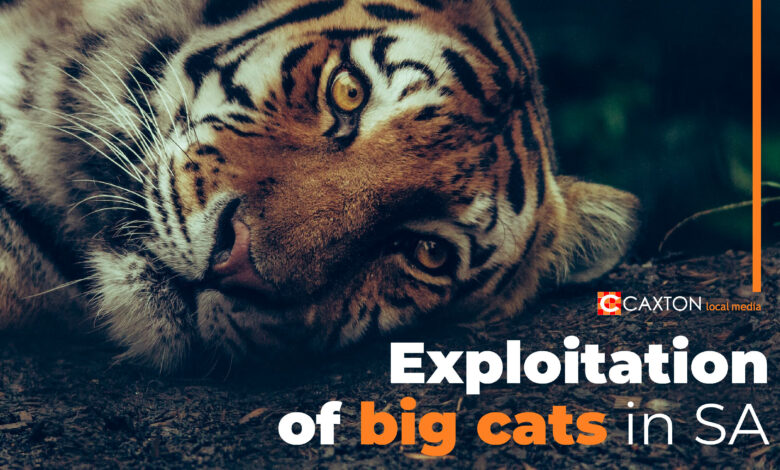
The escape and subsequent killing of eight-year-old Bengal tigress Sheba in the Midvaal area south of Johannesburg last week has put the spotlight firmly on the species and its presence in South Africa.
It is now being asked how a private citizen can have a wild animal, such as a tiger, essentially in their backyard.
At present, regulations on the breeding, keeping, hunting/killing and trading of tigers in the country’s nine provinces differ greatly, making efficient management and regulation virtually impossible.
While queries to the Department of Forestry, Fisheries and the Environment about the regulations for owning a tiger in South Africa went unanswered, Drew Abrahamson from the Captured In Africa Foundation says there is a reason that countries such as the USA have just banned the ownership of big cats.
“When is South Africa going to follow suit?” she asks.
Abrahamson, who has extensive experience in protecting, relocating and rescuing big cats in South Africa, was involved in tracking Sheba.
“Keeping big cats is incredibly dangerous; you cannot take the wild out of them, and why would you want to? Most private individuals do not have the knowledge or expertise to be able to handle these big cats and have proven time and again that they are doing so irresponsibly.”
The NSPCA has added its voice to those vehemently opposed to the keeping of wild animals by private citizens. “Due to basic legislation and no inspections by authorities, it has become far too easy to own and breed dangerous and exotic wild animals. It is evident that the basic legislation is written for the convenience of people who wish to exploit these animals. If the welfare of the animals was taken into account, they would not be kept in captivity.”
How many tigers in SA?
Tigers are considered an alien species as they are not native to South Africa. The exact number of tigers in captivity in the country is unknown but it could be substantial, considering that tiger breeding does not have to be reported. Wildlife Trade Monitoring Network TRAFFIC and the Wildlife Conservation Research Unit at the University of Oxford published a report in 2015, estimating that there were 280 tigers in 44 facilities in South Africa at the time.
Abrahamson says as an exotic species, tigers offer no conservational value to South Africa.
“It is the same as people owning African lions in the USA or Australia, for example. Why? Understanding we now sit with a situation in the country where we have (possibly) thousands of tigers, what are we to do with them? We certainly can’t ship them back to their land of origin, so we now have a responsibility to look after them as best we can. Most sanctuaries in South Africa are at capacity and this responsibility should fall on government, as it has been allowed to get out of control due to lack of legislation regarding the ownership of big cats as a whole.”
Captive breeding industry
South Africa plays a huge part in the commercial captive breeding industry of tigers and lions.
A search of the Convention on International Trade in Endangered Species of Wild Fauna and Flora trade database indicates that in the past decade, 384 live tigers were exported from South Africa to various facilities in China, Thailand, Vietnam, Pakistan and Bangladesh. The country imported 66 live tigers during this period. Between 2011 and 2020, South Africa also exported 93 tiger trophies.
According to Abrahamson, the captive tiger and lion industries in South Africa, including the trade of live animals, trophies and bones, unfortunately, go hand in hand.
“Lions are being disguised as tigers when it comes to the export of bones and parts to Asia, and the two are fuelling each other. It has been proven that lion bones and parts are sold in Asia under the misconception that it is tiger bones, teeth and claws. When you look at the skeleton of a lion and tiger together, you can’t tell the two apart and it is only by doing DNA studies on the bones that you would be able to tell.”
Animal welfare organisation Four Paws published an extensive report last year, focusing firmly on the captive tiger industry in South Africa, while also mentioning the effects of the industry on the other big cats in the country.
Titled Year of the Tiger?, it stated the continued trade of captive tigers and their parts not only complicates enforcement efforts, but also legitimises commercial breeding for trade in tiger parts.
According to the report, the lack of effective regulations related to the breeding, registration and disposal of carcasses means there is not adequate protection against illegal trade, making the work of enforcement very difficult.
“The length of time that the big cat industry in South Africa has been allowed to grow without adequate and effective regulation has also meant illegal networks have been established and been allowed to sophisticate to the point where breeders, taxidermists, agents, slaughterhouses, and foreign buyers – to name a few – are all active in exporting live animals, big cat parts and derivatives from South Africa to known hotspots where demand for big cat parts is prevalent.”
Read original story on vaalweekblad.com

