
Tshwane’s R34.6m ‘international standard’ stadium comes to fruition
The Tshwane metro has finally unveiled its newly refurbished, R34.6m 'international standard' stadium, which will service multiple sporting fraternities.
The stadium, formally known as the Western sports field was originally used as a racecourse and then converted into an agricultural show and sports ground facility in 1910 to 1911.
It will finally resume as a stadium for use by the community and host local and international athletics events.
The Pildich stadium in Pretoria West had been out of commission for three years, due to upgrades and refurbishments, and was relaunched on Thursday.
The newly upgraded stadium includes a synthetic athletics track with related field activities, floodlights, a synthetic practice (warm-up) track, roller skating track, cycling track, main pavilion, with change rooms, public ablutions, doctor’s room, testing room, physio room, referee’s room, announcement and commentating room, media area and VIP area with a kitchen and VIP bathrooms.

Since 2013 the stadium has not held any international events.
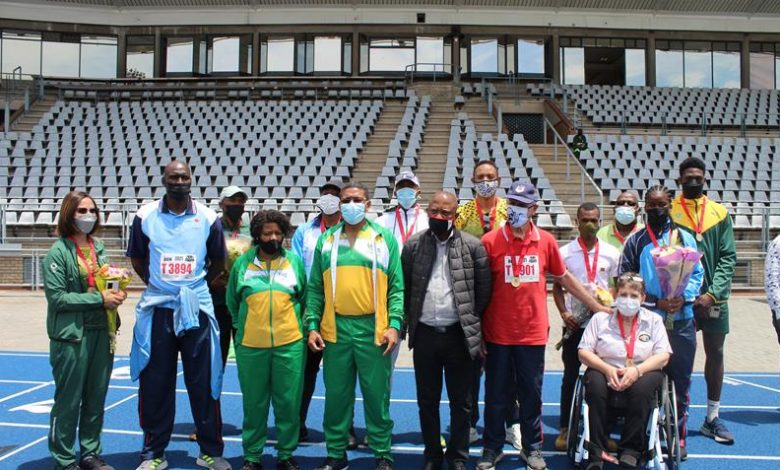
Tshwane mayor Randall Williams and MMC for community and social development services, Thabisile Vilakazi, officially opened the newly upgraded facility that now meets international standards and is certified by the International Association of Athletics Federations (IAAF).
“The city has ensured value for money with the Pilditch stadium upgrades and quality investment in our sporting infrastructure,” said Williams.

He said the need for the current completed upgrading project came after a plea from Athletics South Africa, which indicated the athletics track did not comply with the standards of the IAAF.
Williams said the facility had always been community-oriented and was used by about 50 athletes on average for training daily, while every year, the facility registered more than 400 members and hosted multiple sporting events.
He said the stadium was also booked by pre-schools, schools for the disabled, local schools, universities, Athletics Gauteng North and Athletics South Africa on a regular basis.


“Currently, the stadium is also booked during the week and on weekends for soccer training and soccer matches.”
Tshwane sports council president Winston Meyer said the upgrades would bring great strides to the sporting fraternity in Tshwane.
“Sports plays a crucial role in social cohesion and encourages social interaction between woman and men.”
Meyer said the upgraded stadium was an achievement for youth.
President of Athletics South Africa, James Moloi, said the athletic council were delighted to have a home to train as “we have been squatting all over”.
“We were frustrated in 2020 as we had to prepare the team going to the Olympics. We had to ask for space at places such as Tuks. However, we are excited as next year we are going to six world championships.”
Moloi said it was great to have a “home” to train as 60% of athletes were from Tshwane.
“I took the team to Kenya, last year and 60% of the team that broke records were from Tshwane. This stadium will be the hub of athletics and we are excited and vow to bring activities to this stadium.”
Moloi said he hoped a partnership with the metro would grow stronger as they were looking to be ranked No 1 in the world.
“We are currently ranked 4th in the world.”
He asked the Tshwane mayor to build more stadiums in the metro to assist the athletics community.
Pilditch stadium was built and named after Major Gerald (Shirt) Pilditch, and boasted as the greatest sports administrator of Pretoria and the founder of Harlequins sports club.
The facility has been home to Athletics Gauteng North for more than 40 years and promoted many prospective athletes.
Through the AGN’s programmes, top athletes such as Carina Horn, Clarence Munyai, Gift Leotlela, Akani Simbini, Heinrich Bruintjies, Wayne Snyman, Chris Moleya, Stephen Mokoka, Sokokwana Zazini, Retshidisitswe Mlenga and Caster Semenya have made a name internationally.


Read original story on rekord.co.za

