
Tuks researcher part of team that discovered new compounds to eliminate malaria
We wanted to discover compounds that can kill different forms of the parasite.
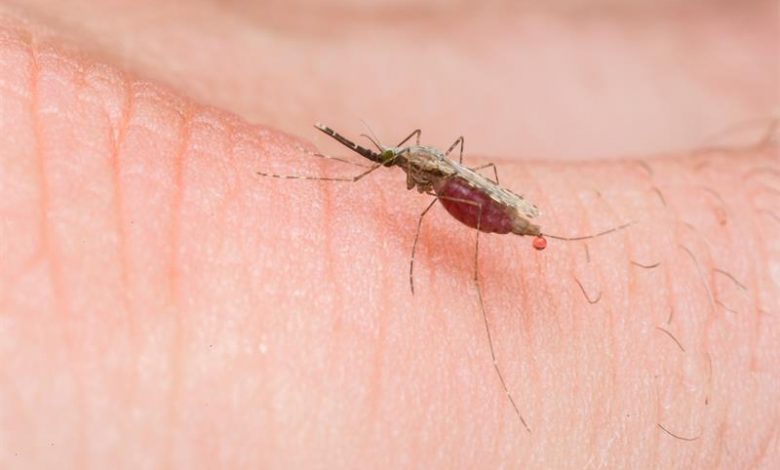
A Tuks professor believes that new chemical compounds discovered by a team of international researchers, of which she was part of, were not only a breakthrough in treating malaria, but also in eliminating it.
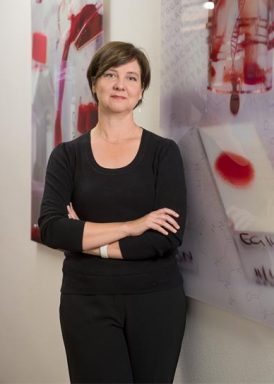
“The breakthrough involves the identification of unique compounds that are able to kill several stages of the malaria-causing parasite and can block the transmission of the parasite between humans and mosquitoes,” said professor Lyn-Marie Birkholtz of the University of Pretoria.
The team’s findings were published in the Nature Communications journal on 11 January.
Birkholtz said the project started in 2018, but prior to that, from 2015-2017, the researchers spent three years getting new technology to allow them to do this research.
“To eliminate malaria, it is essential that we have the necessary tools to kill all these different forms of the parasite. We can then cure patients of the disease but, importantly, also block the malaria transmission cycle. This is the only way to achieve malaria elimination,” she said.
She said, malaria posed a huge health burden to Africa and there was a need for innovations to help the fight against the disease.
“Currently, antimalarial drugs are either used to prevent someone from getting infected or to treat patients with symptoms. These are, however, not tools we can use to stop the spread of the disease as they do not target the form of the parasite that is transmitted from a human,” she said.
“So we wanted to discover compounds that can kill different forms of the parasite, including the transmissible forms, and therefore can be developed as new tools for malaria control and elimination strategies.”
Birkholtz explained that the treatment would ultimately be a chemical drug, like chemical anti-malaria pills and not a vaccine.
“Going from the laboratory discovery phase to ultimate delivery of a useful clinical drug is a very complicated process. We are embarking on this process now, but it will indeed take time and we need to make sure that all the necessary tests are carefully performed.”
Given that some malaria symptoms are similar to those of Covid-19, Birkholtz said she was concerned that some people would possibly not test for malaria, which can be deadly when not treated early.
“We urge people that travelled to malaria areas to please insist on a malaria test as well as a Covid test if they show any flu-like symptoms.”
On those set to benefit from the treatments when the lab phases are completed, Birkholtz said Africa was the target for treatments.
“We envisage that communities in South Africa affected by malaria can be treated to get rid of malaria hotspots in the country. Outside South Africa, in countries where there is a higher malaria disease burden, the treatment can help to decrease malaria parasite numbers and therefore be useful as an additional tool to current malaria control strategies.”
Malaria is a potentially life-threatening disease caused by blood parasites of the genus plasmodium, which are transmitted via the bites of infected mosquitoes.
According to the NICD, in the human body, the parasites first multiply in the liver and then infect the red blood cells.
In the last few years (2015-2018) South Africa has had between about 10 000 and 30 000 notified cases of malaria per year.
Globally, malaria is one of the six major causes of deaths from communicable diseases. Ninety percent of the world’s approximately 600 000 annual malaria deaths occur in Africa.
In South Africa, most cases of malaria have been reported in Limpopo, Mpumalanga and northern KwaZulu-Natal.
Cases were seasonal, with the highest risk being during the wet summer months (September to May).
Birkholtz’s team led the transmission-blocking drug discovery effort as a partner in the South African Malaria Drug Discovery Consortium (SAMDD), which also included Professor Kelly Chibale of the University of Cape Town and Professor Lizette Koekemoer of the University of the Witwatersrand.
Read original story on rekordeast.co.za

