
UP Zoology programme ranked 45th globally and number one in Africa
The University of Pretoria’s ranking for Zoology had continued an upward trend, moving from 54 in 2019 to 50 in 2020.
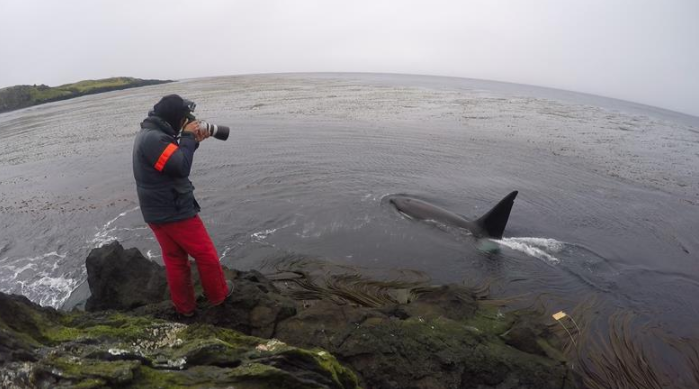
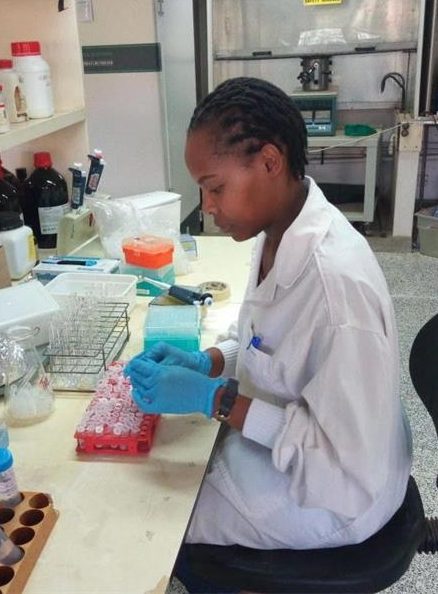
The University of Pretoria’s Department of Zoology and Entomology in the Faculty of Natural and Agricultural Sciences has been ranked 45th globally and continues to be ranked first in Africa for the 2020/2021 period.
The Department of Zoology topped the Africa list and featured globally for its notable research and impact by the University Ranking by Academic Performance (URAP), from 3 000 higher education institutions worldwide and 62 different specialised subject areas.
URAP assesses the quality and quantity of research outputs by university and by subject area. It’s main objective is to develop a ranking system for the world universities based on academic performance indicators that reflect the quality and the quantity of their scholarly publications.
UP’s spokesperson Primarashni Gower said UP’s ranking for Zoology had continued an upward trend, moving from 54 in 2019 to 50 in 2020.
Head of the Department of Zoology and Entomology Professor Armanda Bastos said she was elated over the achievement.
“I am pleased with this ranking, which would not have been possible without the tireless efforts of everyone in the department.
“This achievement is all the more notable in light of the challenges of the Covid-19 pandemic in the past 12 months,” Bastos said.
She said there were major demands on staff and students as an overnight switch from in-person to online teaching was demanded, while research projects were stalled due to limited access to equipment, animals on campus and in the field.
“It is therefore remarkable that the department maintained and even improved on the six key indicators used to score and rank universities.
“This is testament to the talent, dedication, sheer determination and hard work of staff, students and collaborators within and associated with the department,” said Bastos.
She further pointed out that the department drew on the research excellence held in two UP institutes – the Mammal Research Institute and the Forestry and Agricultural Biotechnology Institute.
“The diversity of research is one of our greatest strengths.”
The research topics and subjects are described as broad, ranging from social insects and pollinator species in particular; to subterranean mammals that can tolerate hypoxia and that communicate using distinct dialects; whale surveys along the Cape coast; carnivore, elephant and restoration ecology.
UP Vice-Chancellor and Principal, Professor Tawana Kupe said this “has been a good year for our research output and rankings, despite a pandemic that has affected lives all over the world”.
“I want to convey my heartfelt appreciation to the academics involved in producing research that matters and which contributes to solutions to society’s challenges. At UP we are future-focused, and we undertake research that is relevant to people’s lives and is transdisciplinary in nature,” said Kupe.
Read original story on rekord.co.za

