
What’s the hype over raw pet food?
From table scraps to carefully prepared home-made food and pellets, what people feed their dogs is an ongoing debate.
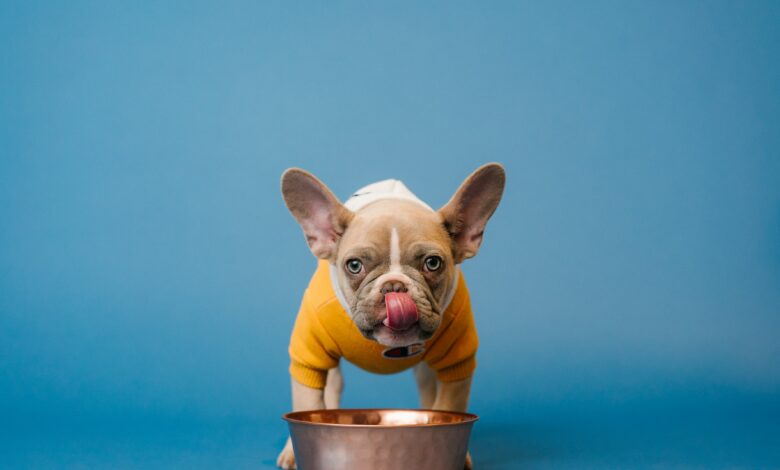
Although raw food advocates have been around for a few decades, the push to feed pets a diet similar to what their ancestors ate has intensified over the past 10 years.
Sales forecasts predict strong growth in the segment internationally, says national pet retailer Absolute Pets.
“Although raw food remains a fraction of our food sales, it is showing significant growth within our food portfolio. And given that it is still a niche segment, there are many small brands available in the market,” says Absolute Pets commercial director Kevin Tuffin.
A few factors are driving the increasing popularity of raw food:
- Pet humanisation: Domestic pets are increasingly seen as fully fledged members of the family rather than ‘just animals’. This means that owners are spending an increasing amount of money on pet-related products and are taking a greater interest in what they feed their pets.
- Pet-care specialisation: There has been growth in the pet-care sector and specialist retailers, increasing the facilities that make raw food, therefore making it more easily available.
- Back to nature: There is an increasing demand from consumers for products that are as natural as possible – for themselves and their pets. Raw pet food falls into this category as consumers perceive it to be less processed.
Before deciding whether to go raw or not, it is important to know and understand what dogs and cats need from their diet.
“When it comes to proper nutrition for dogs and cats, an important thing to consider is that they need animal protein, and don’t really need carbohydrates. This specifically applies to cats, who definitely don’t need carbs. Dogs can use carbs, but they don’t necessarily need them. Both dogs and cats also need fruit and vegetables, as protein does not contain all the vitamins and minerals that they need,” says consulting Absolute Pets vet Dr Candice Cooper.
The experts say that one of the major benefits of raw food is that it is mostly made up of animal protein (if it’s a good quality one). Raw food also has a high water content, which is very beneficial for animals.
Nutrition Hub’s animal nutritionist Lourens de Wet says that the high protein element of raw food can counteract the issues that crop up from a diet that’s too high in carbs. “In general, we see many overweight pets or pets with diabetes and that’s often because of a carbohydrate-rich diet or sugar-rich treats. Moving from a carbohydrate-focused diet to something meatier will have benefits in terms of the animal’s metabolic condition.”
But both he and Cooper point out that high-quality pellet diets will also contain healthy amounts of protein – and so both raw food and pellets can both be good options for your pet, as long as they tick all the ‘quality’ boxes. Both of these food options should be made up of mostly protein and have vitamins and minerals from fruits and vegetables.
De Wet explains that if your pet’s diet is sufficient, then you’ll know because they will have ‘a wet nose, waggy tail, breath that doesn’t smell too much, small stools, and a good coat condition’.
If you do opt for raw food, then you need to take note of the following:
- Ensure it is made from high-quality animal protein. “If it’s just rice, then you might just as well be feeding your pet a poor-quality pellet,” says Cooper.
- You should buy from a reputable supplier so that you can have peace of mind that there is a proper cold chain and quality control. De Wet adds that consumers should purchase a brand that has a quality promise. “It’s important to have trust in the supplier and their response to any potential questions/issues,” he says.
- The product needs to be registered with the Department of Agriculture and display a nutritional analysis, which will help you understand the nutritional value of the food. This part can be confusing for many consumers, which is where professional advice comes in. Absolute Pets says its staff are all highly trained and can answer any questions about the topic.
- With a raw-food diet, you need to be extra-vigilant about cleanliness. “Feeding-utensil hygiene becomes much more critical,” says De Wet.
- Cooper notes that many brands of raw foods will state that it is ‘complementary’, so you need to ensure that you are giving your pet a balanced diet, as raw food might not be sufficient.
- If you decide to make a change to raw food from pellets (or vice versa), then De Wet advises that the change in diet is not made abruptly. It is important to follow a transitioning process to minimise or eliminate any reactions in your pet’s digestive system, which could lead to unfavourable outcomes, such as diarrhoea or vomiting.
Both Cooper and De Wet agree that as long as the food you choose is high quality, provides a balanced diet and is from a reputable brand, then it doesn’t matter whether it is raw or in pellet form. If those elements are seen to, it then comes down to personal choice and what best suits your pet’s dietary or nutritional needs and both your and your pet’s lifestyle.

