
Why shelter adoptions aren’t free
SPCAs do not charge for animals – they cover the costs of the essential services done to ensure pets’ safety and well-being.
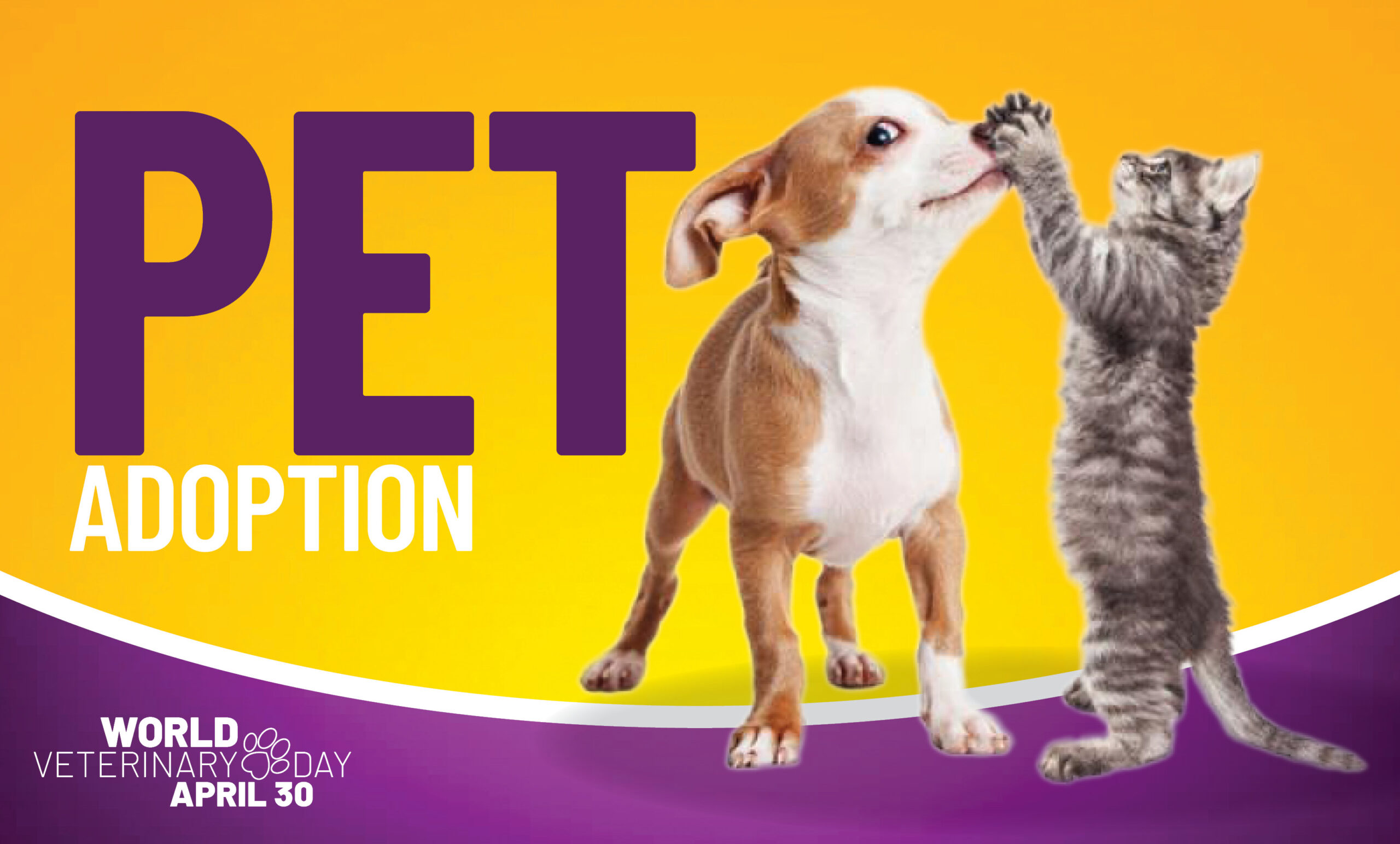
Bringing a furbaby home is deeply rewarding – even more so if you adopt it from a shelter and give an unwanted pet a home.
But adoption should never be done impulsively. Apart from food, water and shelter, animals need love, care, exercise, stimulation and medical attention. They need to be considered when you go on holiday or move home.
People are often frustrated by the adoption procedures followed by shelters and query why adoption fees are charged. What needs to be remembered, however, is that each step in the process is there to safeguard the animal that is being handed over.
“The SPCA movement has a responsibility to ensure that animals are homed into a safe environment under a loving and responsible owner,” says Keshvi Nair, the spokesperson for the National Council of SPCAs.
“Many of the animals available for adoption have been rescued from extremely traumatic and abusive situations. The SPCA will take every measure to ensure that the animal is never again subjected to any form of suffering. As such, there are strict policies and procedures in place.”
She explains that the adoption process differs slightly for dogs, cats, horses and farm animals.
SPCAs operate autonomously and, therefore, adoption prices vary. However, they generally cover a pre-adoption home inspection, sterilisation, microchipping, deworming and first vaccinations.
She stresses that people are not charged a fee for the animal, only for the procedures that are carried out. If a person is given an animal for free from a friend, the cost of the medical procedures and microchipping would be far higher than what the SPCAs charge.
General adoption process
Step one
Visit your local SPCA during operating hours to view the animals they have available for adoption.
Step two
Once you have identified the animal you wish to adopt, you will be required to fill out an adoption application in person at the SPCA.
Tip: Bring a copy of your ID and proof of residence.
Tip: If you are renting or live in a pet-friendly complex/estate, you will be required to bring a permission letter from your landlord or body corporate.
Step three
Pay the non-refundable fee required by your SPCA for a pre-home inspection of your property to ensure that the animal will be safe and cannot escape. This fee will be included in the total adoption cost.
Step four
A pre-home check will be conducted by an SPCA official.
Step five
Once your application has been approved, and the animal has been sterilised, vaccinated and microchipped and is ready to meet his/her new family, you will be contacted for collection and requested to complete the adoption paperwork and pay the balance of the adoption fee.
Step six
As SPCAs want to be assured that a ‘good match’ has been made between animal and owner and that there are no issues of concern, SPCAs will carry out post-home inspections on an annual basis.
Good to know
If you own other dogs, and you are adopting a dog, a ‘meet and greet’ will be arranged between the dogs at the SPCA to ensure they are compatible. No dogs will be released before the meet and greet.
No animal may leave the SPCA without being sterilised, unless the SPCA uses a veterinarian who cannot sterilise at eight weeks of age. In these cases, you will be requested to complete a sterilisation contract that gives a date when the pup or kitten must be taken to the veterinarian to have the surgical procedure carried out.
World Veterinary Day falls on April 30 this year. The theme, set by the World Veterinary Association, is ‘Strengthening veterinary resilience’. This is an apt topic in South Africa, where a shortage of vets places strain on those in the profession. The upside is that veterinary science is a great career choice for youngsters, who will have an excellent chance of securing employment.
Read original story on northernnatalnews.co.za

