
Youth suicide: SA’s children are crying out for help
Teen suicide has become all too frequent, and even children under the age of 12 are taking their lives.
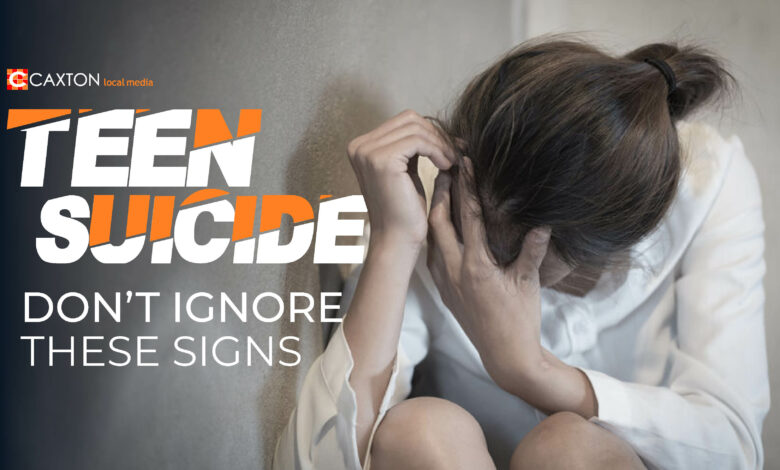
South Africa is in the middle of a youth mental health pandemic, with youth suicide a major public health problem.
There is an urgent need for important stakeholders, such as the departments of health, education and social development; non-governmental organisations; and parents, to work together towards prevention and awareness strategies, early detection and treatment of child and adolescent mental health problems.
On the eve of Teen Suicide Prevention Week (February 12–19), Dr Alicia Porter, psychiatrist and board member of the South African Society of Psychiatrists, told Caxton Local Media there has been an exponential increase in mental health concerns among children and adolescents. She adds that there is a gross lack of resources, especially for children under the age of 12.
The statistics on the suicide rate among SA’s youth paint a grim picture:
- It is the second leading cause of death in young people between the ages of 15 and 24 years, and the fastest-growing cause of death in this age group.
- The age group 10–19 years is one of the highest-risk groups for suicide.
- Approximately 9% of all teen deaths are due to suicide.
- 90% of adolescents who die by suicide have an underlying mental illness.
The South African Youth Risk Behaviour Survey is the country’s largest public health surveillance system monitoring a broad range of health-risk behaviours among high school students. In the 2019/2020 survey, 24% of youth surveyed (grades 8–11) expressed feelings of depression, hopelessness and sadness, while 21% had attempted suicide at least once.
This dark cloud hangs over the rest of the world’s youth too. According to the World Health Organisation, suicide is the second leading cause of death in the 15–29 age category, with depression the third highest disease burden among adolescents.
A growing concern
Porter says there has been a significant increase in mental health issues, such as depression, anxiety and post-traumatic stress, in children and adolescents since the Covid-19 pandemic.
“There has been an increase in exposure to the internet and social media, which has led to an increase in bullying and cyberbullying. Covid caused multiple disruptions and losses, such as death and finances, but with children, it also caused a significant disruption in development, the impact of which is still to be determined.”
Children and adolescents today face more challenges than previous generations, with the rapid advances in technology being one of the biggest stressors. According to Porter, this has most certainly contributed to the high suicide rate among SA’s youth.
“The reasons and causes are complex and it has to be remembered that adolescence is a unique time in development. It is a period of significant physical, social and emotional changes that happen rapidly. Furthermore, it is a vulnerable period for the development of mental illness as the transitioning from childhood to adulthood occurs.”
Porter believes that about 20% of children and adolescents have a mental health disorder, but the majority are undetected and untreated because mental health issues present differently in children than they do in adults. This, and other risk factors, such as a family history of depression and suicide, family discord, exposure to violence and trauma, physical and sexual abuse, school and academic difficulties and substance abuse, contribute to the high suicide rate.
Signs to watch for
According to the South African Depression and Anxiety Group (Sadag), parents and caregivers must watch for these signs:
- Talking or joking about suicide – Saying things like ‘nothing matters’ and ‘I won’t be around much longer’.
- Depression – Behavioural changes and withdrawal from friends and family.
- Preparing for death – Giving away favourite things and even saying goodbye.
- Personality changes – From sociable to not wanting to go out and becoming negative.
- Appearance and hygiene – Be vigilant if youngsters stop caring what they look like.
- Risk-taking behaviour – Doing dangerous things, such as drinking and driving and taking drugs.
- Excessive feelings of guilt and failure – Blaming themselves.
- Suddenly feeling better – If they are ‘back to normal’ despite not receiving treatment, it may mean they have finalised a suicide plan.
- Writing or painting pictures about death – A cry for help.
Cassey Chambers, Sadag’s operations director, says there is still a lot of stigmas and fear around suicide, and many parents and teachers are afraid that if they talk about suicide to teens, it could cause them to take their life.
“Research shows that talking about suicide with a young person does not cause them to have thoughts of suicide or to kill themselves. But not talking about it can lead to thoughts of suicide turning into action. Talking about suicide and depression creates an opportunity to discuss feelings and thoughts that might have otherwise remained hidden.
“Most teens who are thinking about suicide are honest and relieved when asked direct questions about their suicidal thoughts or feelings.
“Even if you notice one warning sign, don’t wait or leave it. Talk today, listen and connect to help; it could save a life.”
Get help
Sadag Suicide Crisis Helpline: 0800 567 567 (24 hours a day, seven days a week). You can also SMS 31393 and a counsellor will call you back.
Read original story on midrandreporter.co.za

