

Getting to grips with glaucoma with Dr Yavische Reddy
Dr Reddy will offer free screenings in Ballito on March 16 and in KwaDukuza on March 19.
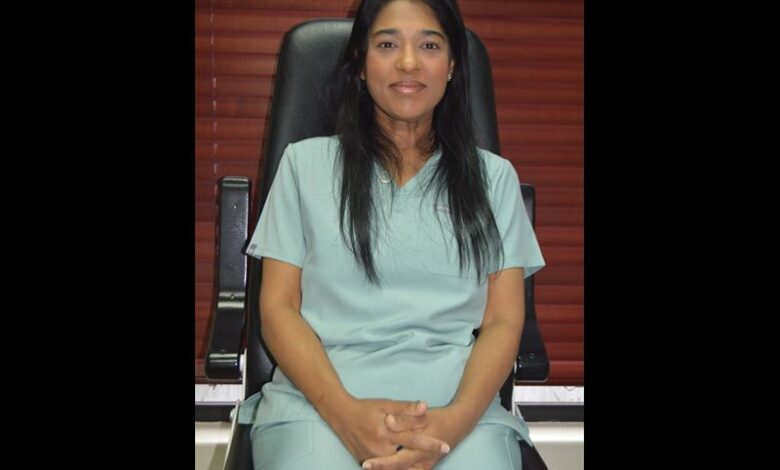
Ahead of World Glaucoma Day on March 12, we spoke to respected ophthalmologist Dr Yavische Reddy about some common questions and misconceptions around the condition.
In conjunction with the awareness day, Dr Reddy will also offer a full free screening panel at her Ballito rooms on March 16 and KwaDukuza rooms on March 19. Booking is essential via 032 586 0040 or 061 434 0191.
1. What is glaucoma?
Glaucoma is a group of eye conditions that damage the optic nerve. This is often due to raised eye pressure, though it can occur with normal pressure. If untreated, it can cause permanent vision loss or blindness.
2. What causes glaucoma?
Usually poor drainage of fluid inside the eye leads to pressure build up and optic nerve damage. Some people develop normal-tension glaucoma despite no increased pressure.
3. Who is at risk?
Groups at higher risk include people over 40, those with a family history, diabetes or high blood pressure, severe short-sightedness, prior eye injury or long-term steroid use.
4. Does glaucoma have symptoms?
Open-angle glaucoma (most common) has no early symptoms and gradually affects side vision. Acute angle-closure glaucoma is an emergency causing severe eye pain, redness, headache, nausea and sudden blurred vision.
5. Can glaucoma cause blindness? Is vision loss reversible?
Yes. Damage is permanent and cannot be reversed, but early treatment can prevent further loss.
6. How is glaucoma diagnosed?
Through eye pressure measurement, optic nerve examination, visual field testing, OCT imaging and corneal thickness measurement.
7. How is glaucoma treated?
Treatment lowers eye pressure using daily eye drops, laser therapy or surgery. Most patients need lifelong treatment and monitoring. Drops are generally safe but may cause mild side effects.
8. How often should eyes be checked?
Every 1-2 years after age 40, or every 3-6 months if diagnosed.
9. Can lifestyle changes help and can I drive?
Healthy habits support eye health. Most people with early glaucoma can continue driving safely.
Stay in the loop with The North Coast Courier on Facebook, X, Instagram & YouTube for the latest news.
Mobile users can join our WhatsApp Broadcast Service here or if you’re on desktop, scan the QR code below.

Stay in the loop with The North Coast Courier on Facebook, X, Instagram & YouTube for the latest news.
Mobile users can join our WhatsApp Broadcast Service here, or if you’re on desktop, scan the QR code below.