

Spaza shops under scrutiny: Expired goods and unhealthy practices in iLembe
On November 15, president Cyril Ramaphosa announced that spaza shops nationwide must register their businesses within 21 days, warning that non-compliance would result in closures.

An illegal foreign national was arrested and two spaza shops were closed during unannounced inspections conducted by the Ndwedwe municipality last Friday.
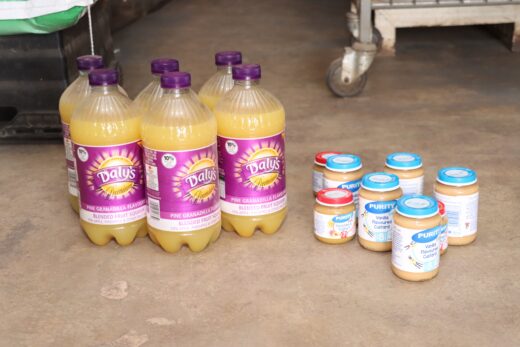
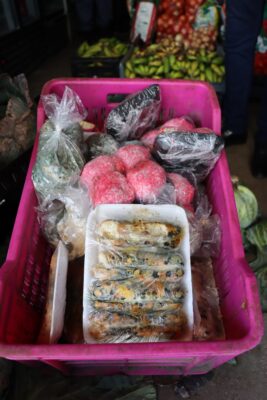
The two shops shut down were found selling expired goods and operating in unhealthy conditions. Among the expired items discovered were goods such as chips, juice, baby food and cakes.
The municipality inspected 15 stores during the operation, with 13 served with notices to register for business licences at the Ndwedwe municipality. To date, the municipality has issued 347 trading permits and 30 business licences. Ndwedwe mayor Samuel Mfeka said spaza shop registration is not a new process but an ongoing effort that allows the municipality to keep track of its traders.
“Registration helps the municipality maintain an accurate database of traders, which allows the Local Economic Development office to create programmes tailored to business owners’ needs,” he said.
Mfeka highlighted the importance of renewing permits and licences annually.
“Most traders do not renew these until there is a call for funding applications or government relief that requires updated documents,” he said.
The recent surge in foodborne illnesses and poisoning reported countrywide has prompte the National Disaster Management Centre to declare it a national disaster, putting food safety and spaza shop compliance in the spotlight. On November 15, president Cyril Ramaphosa announced that spaza shops nationwide must register their businesses within 21 days, warning that non-compliance would result in closures. The registration period runs from November 15 to December 13, with inspections and enforcement efforts expected to continue.
The iLembe environmental health unit has drawn up an plan to deal with compliance and illicit trade.
“Key strategies include conducting health education campaigns to educate the public about food safety practices, including proper food handling, preparation, and storage. It also entails issuing prohibition orders to non-compliant premises and seizure of unsafe food products and maintaining updated records of informal traders and suppliers to facilitate investigations and track the source of contaminated food,” said environmental health manager, Zweli Khawula.
Stay in the loop with The North Coast Courier on Facebook, X, Instagram & YouTube for the latest news.
Mobile users can join our WhatsApp Broadcast Service here or if you’re on desktop, scan the QR code below.

Stay in the loop with The North Coast Courier on Facebook, X, Instagram & YouTube for the latest news.
Mobile users can join our WhatsApp Broadcast Service here, or if you’re on desktop, scan the QR code below.