
Sugar cane rebuilds a dying valley
These rural women have transformed their community through sugar cane.
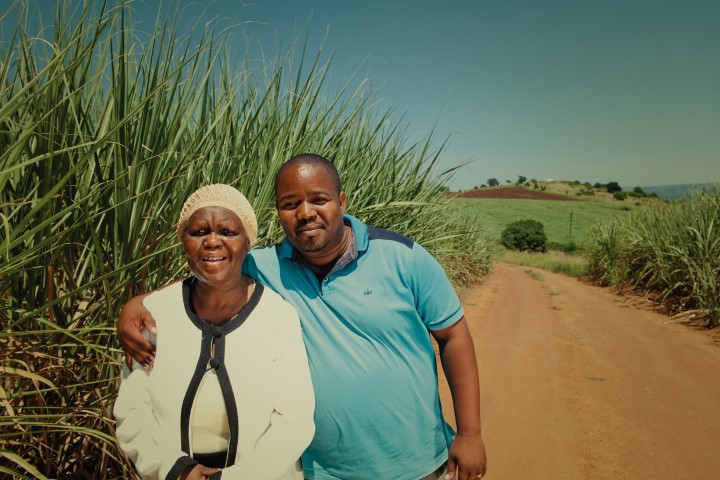
An innovative land reform project between private sugar growers, a miller and the government is breathing new life into the depressed Glendale Valley.
The Gledhow Sugar Company is helping a large group of mainly women growers in the Glendale Valley, inland of the town of KwaDukuza to source funding from government to replant the valley after years of neglect following flood and drought.
The project has been singled out by land reform minister Gugile Nkwinti as an example to others and a flagship for similar projects around the country.
Project co-ordinator Siyabonga Madlala said it was through help from the Gledhow mill that today they have 168 hectares for sugar cane and five hectares for vegetables.
“We applied for a R3,5 million loan from the Micro Agriculture Finance Institute of South Africa (Mafisa) via the SA Sugar Association (SASA) to redevelop the land,” said Madlala.
They also received a R2 million grant from the rural development and land reform department as part of its recapitalisation and development programme.
Gledhow executive board vice-chaiman, Paul de Robillard said 25.1% of the company was owned by cane growers, which ensured the sustainability of the farms as the company provided continuous support to them.
“The success of Mansomini has led to the development of other projects, Dakadaka and Mthandeni because the government recognised the good work that was being done and is willing to put more money in these developments,” said De Robillard.
Madlala and De Robillard said besides Mansomini being named as one of government’s flagship programmes, they were exited about the involvement of the youth in all three projects as this ensured sustainability through succession.
“The SA Sugar Association, SA Sugar Research Institute, SA Canegrowers together with Gledhow, have been providing technical and administrative support as well as running workshops to train the youth in both cane and vegetable farming.” said Madlala.
He said it was through the support of all stakeholders and chief Makhosini Qwabe that they were able to produce over 14 000 tons of cane last year. Their new projects, Dakadaka (200 ha) and Mthandeni’s (98 ha) first crop are being harvested for the first time this year but both Khuzwayo and Madlala said they were expecting over 12 000 tons from both of them. Dakadaka and Mthandeni also each have five hectares for growing vegetables.
“Through these projects, Glendale is slowly becoming less of a ghost village and schools and shops are reopening. And with the 500 seasonal workers that we employ, more and more people see a reason to stay at home rather then go to urban areas,”said Madlala.
He said the next project was to revitalise Sinamfini which also collapsed alongside Mansomini in the 1990s. National energy minister Dipuo Peters and land affairs minister Nkwinti both visited Mansomini last month and apparently promised them R22 million for Sinamfini in next year’s budget.
“We will use that money to buy new tractors, build roads and train more people to work on the project. All of this is bigger than the dream I had when we started Mansomini and if I were to die today, I would die a happy granny,” concluded Khuzwayo.
Stay in the loop with The North Coast Courier on Facebook, X, Instagram & YouTube for the latest news.
Mobile users can join our WhatsApp Broadcast Service here, or if you’re on desktop, scan the QR code below.