

Why we burn
Part one in our new monthly series focusing on the Dolphin Coast sugar cane industry.
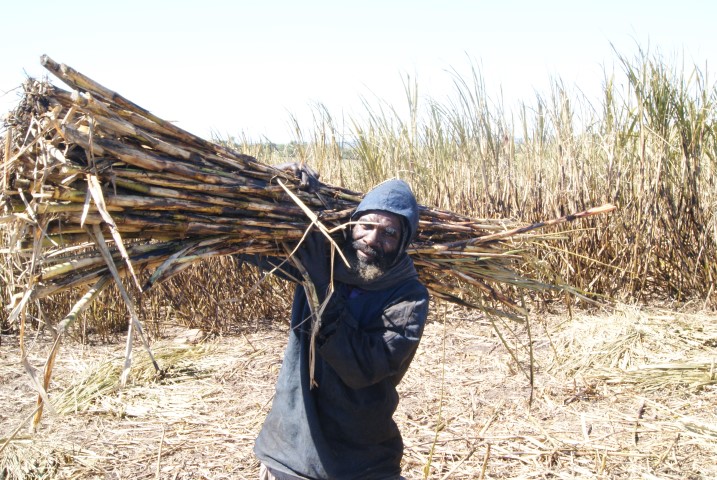
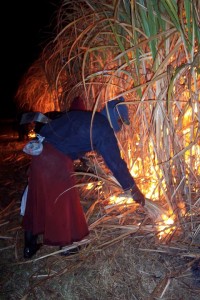
The burning of sugar cane has become a contentious issue on the North Coast, though it has been an existing practice in sugar farming since long before the residential development of the area.
Residents have complained about the burning of sugar cane for a number of reasons, chiefly among them the depositing of smut onto nearby residential property as well as environmental concerns.
“I urge farmers… close to Stanger to think twice before burning their cane as this is undoubtedly causing heartaches for all of us,” said Stanger resident, Som Mudaly in a letter of appeal (‘Come on farmers, have a heart!’, Courier September 13).
But the practice of burning is implemented for a number of reasons.
“I greencane harvest as much as I can, but I would never be able to cut it all green,” said Darnall sugar cane farmer David Clewlow.
“The first day, the work force will cut green, the second day they will start grumbling and the third day they will just walk away.”
Clewlow is in many ways representative of the modern cane farmer. He lives a humble life on the farm with his family, overseeing farming operations and worrying about what the season’s rains will be like. Gone is the archetypal sugar baron of a bygone era.
“It is nothing like it was 20 years ago,” said Clewlow. “For me it is a passion and a way of life. It is hard work, you cannot do this if you do not love it.”
Cutting sugar cane without burning is notoriously difficult and time consuming. This practice is known as ‘greencane harvesting’ or ‘trashing’ and requires workers to cut the stalk in specific places and manually remove the leaves.
The advantages of burning are numerous. Besides making the sugar cane easier to harvest, the flames also drive away cane rats and snakes that can pose a threat to workers. Burning reduces the weight of the harvested crop which means transport costs are lower and it improves the quality of the sucrose within the sugar cane stalk.
According to the South African Sugar Association’s (SASA) natural resource manager Dr Marilyn Govender, the industry has researched and developed specific measures to address the implications of burning. These measures are implemented through the Codes of Burning Practices and form part of an initiative to promote Better Management Practices (BMP’s) in the industry.
The codes differ between regions in practice, but focus on minimising atmospheric pollution, preventing runaway fires and ensuring that farmers are well equipped in the event of such, minimising smut deposits from cane fires in residential or otherwise sensitive areas, and preventing heat and smoke from being blown across public roads or affecting power lines.
The codes take wind direction and weather conditions into account and lay out a number of guidelines for farmers regarding best possible burning practices.
“The codes are a self-regulating mechanism,” said Govender, noting the codes and BMPs also take the national veld and forest fire laws into consideration.
Interestingly, a surprising number of sugar cane fires are the result of arson.
“I had 37 arson related fires in one year here,” said Clewlow pointing to an area of farmland on a map. “The guys were burning it because they wanted the land for housing.”
The sugar cane industry in South Africa currently burns 90 percent of its cane, though that may not be the case for much longer.

Stay in the loop with The North Coast Courier on Facebook, X, Instagram & YouTube for the latest news.
Mobile users can join our WhatsApp Broadcast Service here, or if you’re on desktop, scan the QR code below.