

The end of a sugary road
Over the past six months, these features have explored the ins and outs of growing and harvesting sugar cane, farming techniques, its economic footing and advancements for the industry. This last feature will take you to the end of the sugar cane cycle, and the magic happens at the mill. KZN is home to 12 …
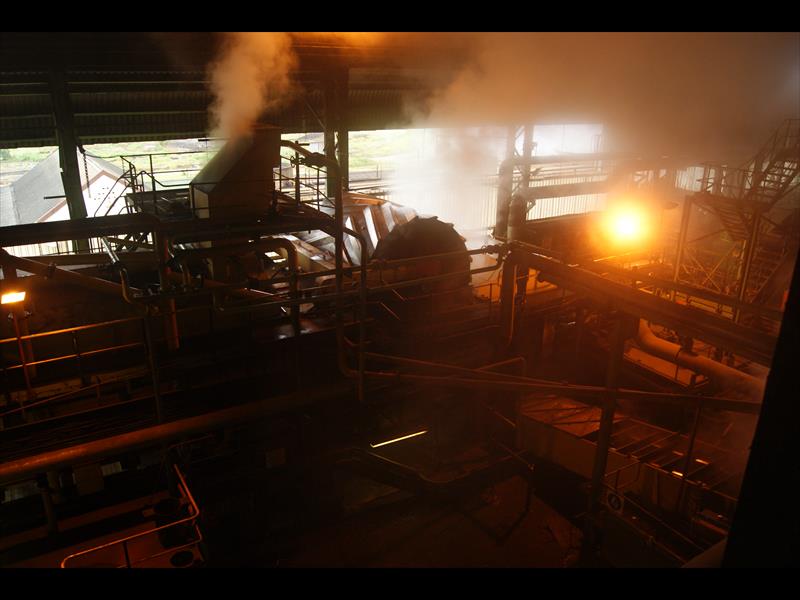
Over the past six months, these features have explored the ins and outs of growing and harvesting sugar cane, farming techniques, its economic footing and advancements for the industry.
This last feature will take you to the end of the sugar cane cycle, and the magic happens at the mill.
KZN is home to 12 of South Africa’s 14 sugar mills, the other two being located in Mphumalanga.
These mills are the hot spots for the much talked about possible advents of co-generation electricity for the national grid, but its main function has always been to make sugar.
Sugar cane enters the mill on a carrier belt as a stack of cane stalks, which contain the sucrose from which sugar will be obtained.
It is deposited into a shredder and is carried through a ‘milling train’. This is a series of crushers that squeeze the shredded cane through them, collecting juice under each crusher in a pumping system underneath, that takes it to a large tank.
What is left of the cane is known as baggasse, which stays on the belt to be taken to boilers to provide energy to sustain the mill’s needs.
The juice moves from the tank to large heaters, and lime is added to it before it moves into a clarifier.
This machine separates any mud from the juice. The mud goes into rotary vacuum filters, which can best be described as a massive rolling pin that consistently drops steaming dry mud into a collection vat. The same mud, still full of nutrients, is returned to cane fields to supplement the soil.
Cleansed of the mud, the clear juice then moves into an evaporator, which boils water out of the juice, leaving a syrupy substance.
This goes into vacuum pans that remove any excess water vapor, then down a chute into a centrifuge which spins furiously and intermittently, shaking the sugar particles apart.
Finally the sugar goes into a dryer before going into storage as the raw sugar you will find on the shelves. The cane, so carefully grown and harvested, is converted into KZN’s largest export.
Mark Napier, the factory manager at UCL Pty Limited, a mill in Dalton, said that his mill crushes a whopping 135 tonnes of cane per hour.
The set-up and operation of each mill is varied, but the sugar cane goes through the same basic process.
South African Sugar Research Institute (SASRI) director Caroline Baker summed up her experience of visiting the mills in KZN.
“A trip to the mill is wonderful, each mill has its own feeling, its own character.”
Stay in the loop with The North Coast Courier on Facebook, X, Instagram & YouTube for the latest news.
Mobile users can join our WhatsApp Broadcast Service here, or if you’re on desktop, scan the QR code below.