

Emergency pipeline for drought
Water pumped from Tongaat River will raise dam levels.
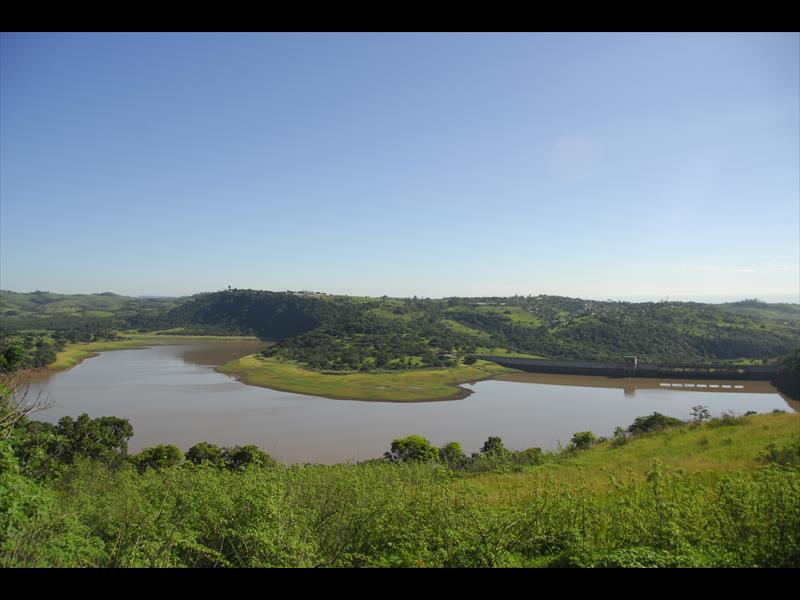
While the raising of the Hazelmere Dam wall is still an uncertainty, Umgeni Water has approved the laying of a 7.5km pipeline from the uTongathi River to the dam.
This emergency measure will raise the dam level by pumping water from the uTongathi River directly into the dam.
“Umgeni Water investigated several options and the laying of the 7.5km pipeline was proven to be the most feasible, cost effective and fastest solution,” said Umgeni Water corporate stakeholder manager Shami Harichunder.
He said construction of the R38m project will begin on February 9 and once completed will have the capacity to pump eight to 10 million litres of water per day into the dam.
“We aim to have the pipeline completed and operational by the end of March, but if it happens sooner it will be a bonus,” said Harichunder.
He said the emergency intervention will be active for as long as the drought lasts.
The dam is currently on 37.3% and Harichunder cautioned that the pipeline is not a solution to the drought.
“In 2014 and early 2015 the Hazelmere catchment received only one-third of the rainfall it normally receives and for the dam to fully recover, the catchment that serves it will have to begin receiving the average rainfall it receives every year.”
The raising of the dam wall is apparently still under consideration by the national Department of Water Affairs.
Environmental activist Di Jones is not in favour of this, saying alternative ways of increasing the dam’s capacity should be considered.
“Why raise the wall if it will in effect be lowered again by more siltation in the future?” asked Jones.
She would like legal sand mining companies to be allowed to remove the excess sand while the dam level is low.
“Why not put it to tender?” she suggested.
She said the larger grain sand found further away from the dam wall could be suitable for building while the smaller grain sand near the dam wall could be used for plastering.
“The old excuse that water becomes too turbid (dirty) when sand is dredged out of a body of water has been made null and void by new technology that allows for a much finer filtering process (as in reverse osmosis),” said Jones.
She said water scarce countries all over the world use this method of filtering and that the cost should be offset against the cost of raising the dam wall.
Stay in the loop with The North Coast Courier on Facebook, X, Instagram & YouTube for the latest news.
Mobile users can join our WhatsApp Broadcast Service here, or if you’re on desktop, scan the QR code below.