

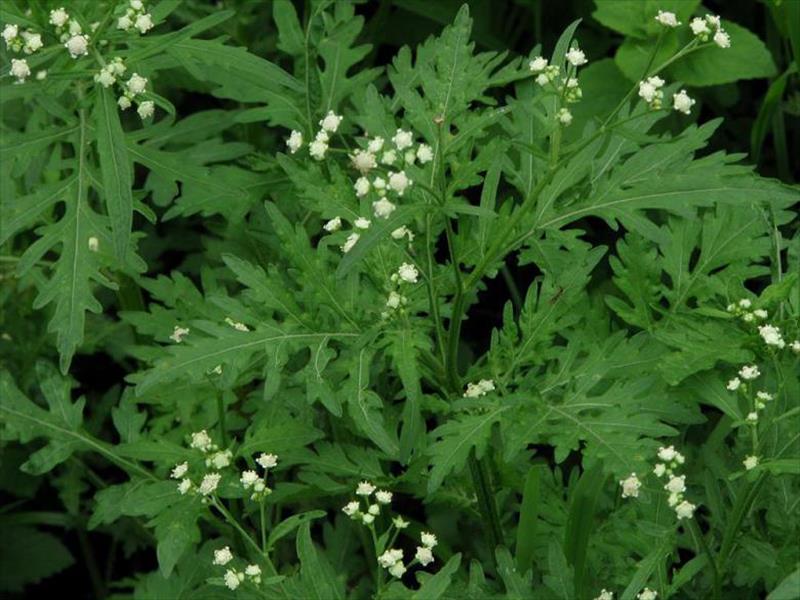
An invasive weed that poses a risk to human health has been found growing on the Dolphin Coast.
Parthenium hysterophorus, or ‘famine weed’ as it is commonly known, is listed under the National Environmental Management and Biodiversity Act (NEMBA) as a category 1b alien plant species, which means that if it is found growing, it has to be removed and destroyed.
‘Famine weed’ originates in Central America but has made its way over to India, Australia, parts of Europe and now South Africa as it spreads like a virus. The plant only takes four weeks to flower and is appearing all over KwaZulu-Natal with its dangers largely unknown to members of the public.
The plant poses a number of health risks to humans, with almost 73% of people living with the weed being sensitive to it. Women are twice as likely to be sensitive to famine weed as men and reactions to the plant include skin rashes, especially on the face and hands, swelling and itching of the membranes in the mouth and nose and constant coughing, particularly at night.
Michael Riley, landscaping supervisor at Simbithi Eco-Estate, said that encounters with this invasive plant can be nasty, particularly affecting those with weakened immune systems.
“People in low-income areas are most at risk, especially those with HIV and AIDS because of their reduced ability to fight the allergenic properties of the plant,” said Riley, who has seen the serious skin conditions caused by contact with famine weed.
According to the South African National Biodiversity Institute (SANBI), in addition to negatively affecting human health, famine weed also threatens our national economy.
Common in rural areas where agriculture dominates the landscape, famine weed takes over crop fields by choking commercial crops and releasing toxins back into the soil.
The weed therefore also reduces the grazing pastures used by cattle and other livestock, and if consumed by these animals the weed causes them to produce toxic milk, which is unfit for either human or animal consumption. Also present in national parks, famine weed poses a big risk to tourism by reducing the grazing pastures of wildlife.
“The more people know about this weed, the more we can protect from its harmful effects,” said Riley, who wants to raise public awareness about the short term risks and long term dangers of the spread of famine weed.
Stay in the loop with The North Coast Courier on Facebook, X, Instagram & YouTube for the latest news.
Mobile users can join our WhatsApp Broadcast Service here, or if you’re on desktop, scan the QR code below.