

Birmingham water experts develop life-saving device
The researchers are now working with experts to refine the instrument design to make it user friendly for people living in low-income African communities.
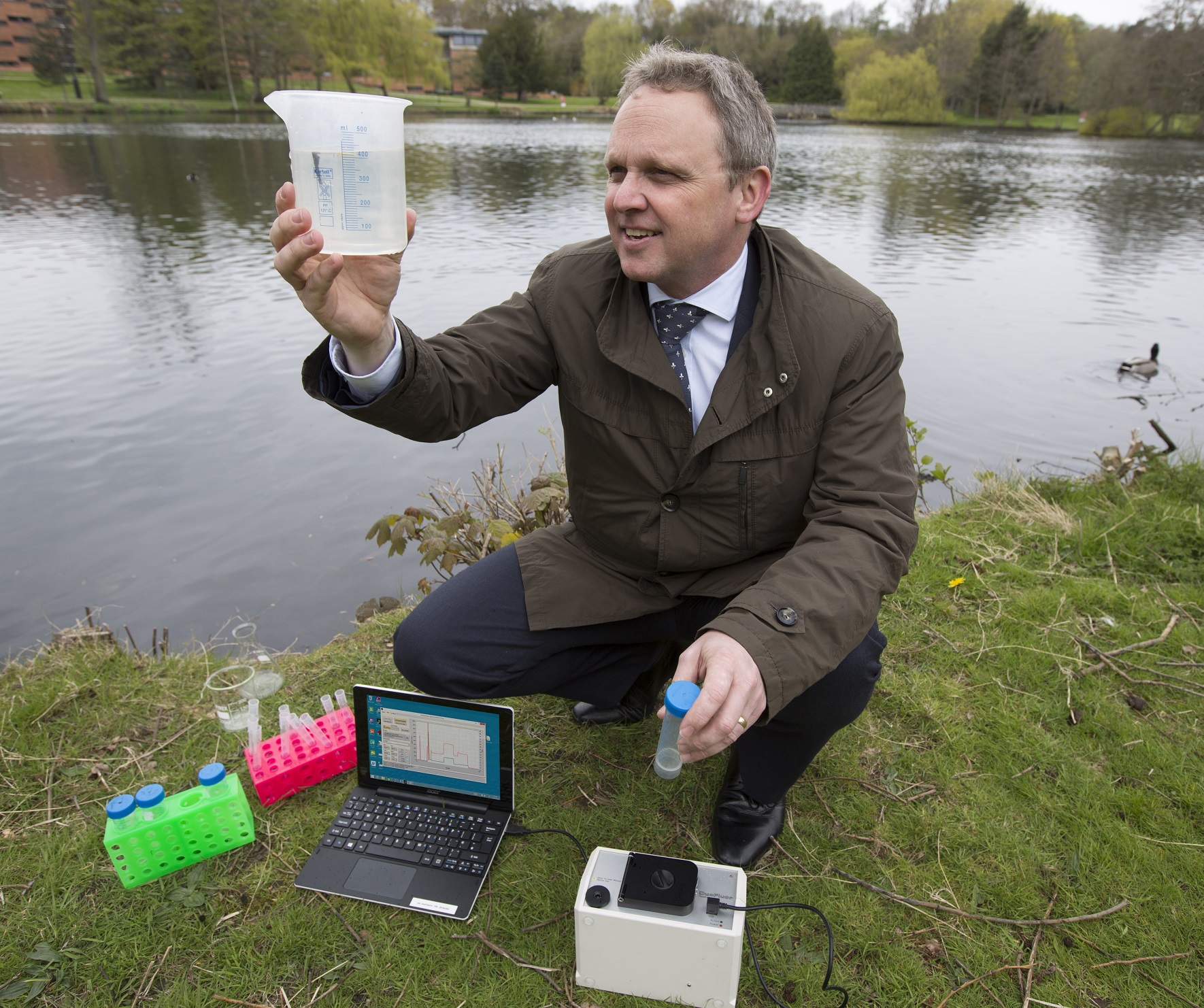
Following reports on the poor supply of water in the country, the University of Birmingham developed a device that could save lives in South Africa by quickly and easily testing whether water supplies at informal settlements are safe to drink.
A team from the University’s department of civil engineering has developed prototype, optical equipment which uses water’s natural fluorescence to ‘scan’ the water and highlight pollutants that are present in the sample almost instantly revealing whether supplies are safe to drink.
The researchers are now working with experts to refine the instrument design to make it user friendly for people living in low-income African communities.
The ‘Duo Fluor’ device uses portable, inexpensive and off-the-shelf equipment to reveal unsafe sources of drinking water in less than 30 seconds. It should help reduce the risk of future widespread outbreaks of cholera and other water-related diseases in areas of poor sanitation.
Professor John Bridgeman who led the team of researchers who developed the device said,“The ‘Duo Fluor’ device is a huge step forward in helping to ensure that people have access to safe water supplies. It has the potential to save lives – not just in South Africa, but around the globe.
“Microbiological waterborne disease remains a significant concern for the global water community. Pathogens in drinking water sources cause ill health and informal settlements, such as those found in South Africa, require quick, easy and frequent drinking water quality checks to prevent the spread of disease and death.”
He added that despite the hard work of those responding to the UN millennium development goals, there are still 768 million people who do not have access to safe drinking water supplies and 2.5 billion are without access to improved sanitation services.
Current methods of analysing the quality of drinking water take more than 12 hours and use expensive reagents. This is not fast enough to meet people’s needs in poor communities.
The team is currently developing a version of the device which can operate without the need to connect to a laptop computer, instead offering users a simple four-line and pictorial readout of water quality.

Do you want to receive news alerts via WhatsApp? Send us a WhatsApp message with your name and surname to 061 718 4438.
Please read our WhatsApp broadcast list disclaimer.
Join us on BBM at 59015786
Join the conversation on Facebook, Twitter and Instagram.
Stay in the loop with The North Coast Courier on Facebook, X, Instagram & YouTube for the latest news.
Mobile users can join our WhatsApp Broadcast Service here, or if you’re on desktop, scan the QR code below.