

Top 5 medical conditions that plague South Africans
Don't find yourself in a situation where one of these ailments has laid you low, start living your healthier life today.

Good health is its own reward, though many people don’t realise this until they have a big health scare.
An analysis of the most prevalent health conditions claimed for from a local medical scheme reveals the importance of South Africans practicing healthy living and having regular preventative screening tests from a young age.
“The data derived from claims from our scheme during 2016 indicate that all of the top five conditions were most prevalent in individuals older than 50,” says Mark Arnold, Principal Officer of Resolution Health Medical Scheme (Resolution Health).
“Fortunately, there are a number of measures people can take to either prevent the development of some of these conditions, or identify the warning signs early on.”
The top five claimed-for conditions during 2016 were:
1. Unstable angina
Unstable angina is a condition in which your heart doesn’t get enough blood flow and oxygen. Angina is often described as pressure, squeezing, burning, or tightness in the chest. The pain or discomfort usually starts behind the breastbone. Pain from angina also can occur in the arms, shoulders, neck, jaw, throat, or back.
The pain may feel like indigestion and can lead to a full blown heart attack.
In order to diagnose unstable angina your doctor will perform a physical exam that includes checking your blood pressure. They may also use other tests to confirm unstable angina such as blood tests to check for cardiac biomarkers that leak from your heart muscle if it has been damaged.
The symptoms of unstable angina go away when you rest. Unstable angina is unexpected though, and resting or taking nitroglycerin may not help. Your doctor will probably diagnose unstable angina if you are having symptoms for the first time or if your symptoms are getting worse, lasting longer, happening more often, or happening at rest.
Also read: What is a heart attack and how should you handle it?

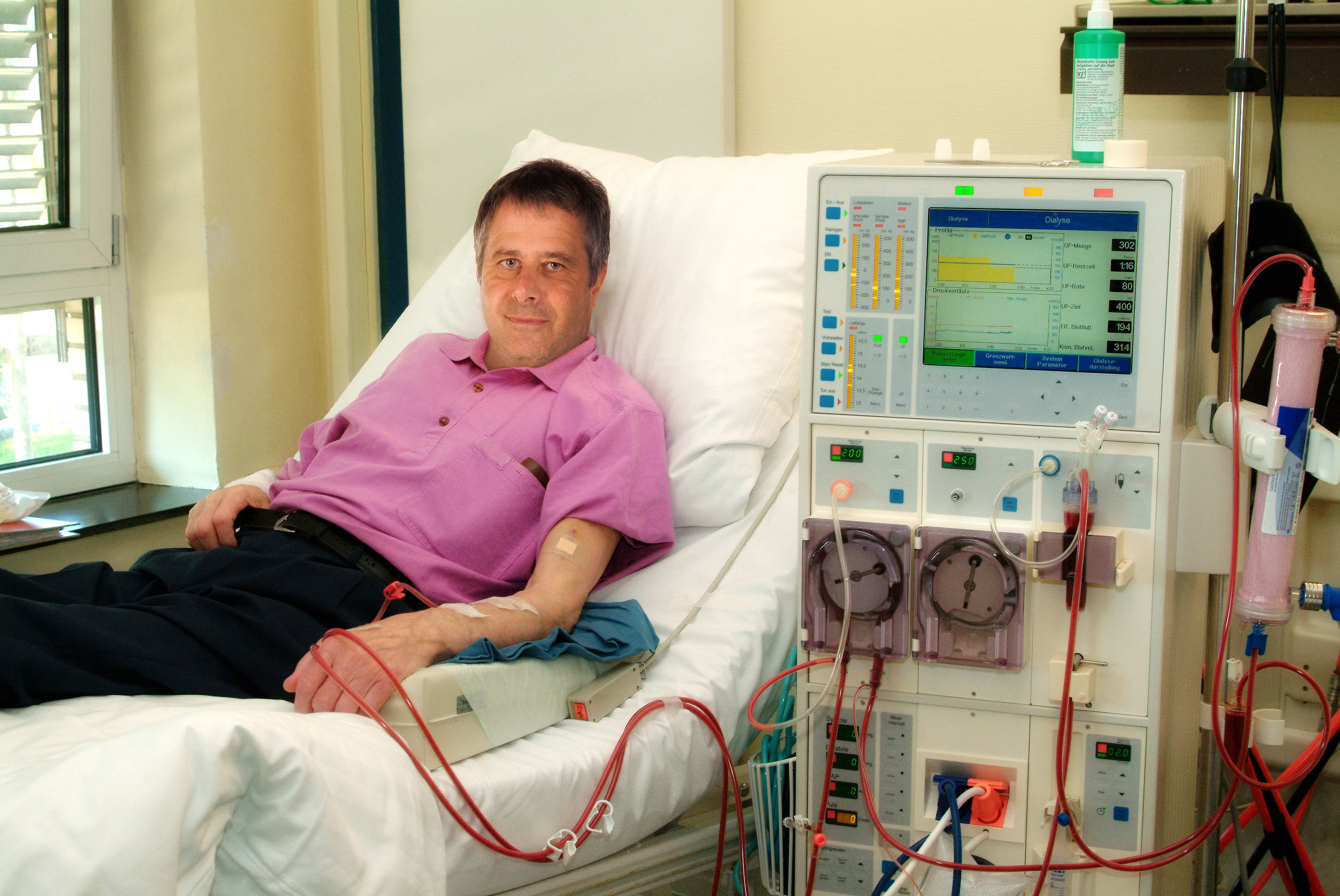
2. Chronic renal failure
The kidneys filter waste and excess fluid from the blood. As kidneys fail, waste builds up. Symptoms of renal failure develop slowly and aren’t specific to a disease. Some people have no symptoms at all and are diagnosed by a lab test, however, others may experience fatigue, high blood pressure, loss of appetite, malaise, or water-electrolyte imbalance.
3. Senile nuclear cataract
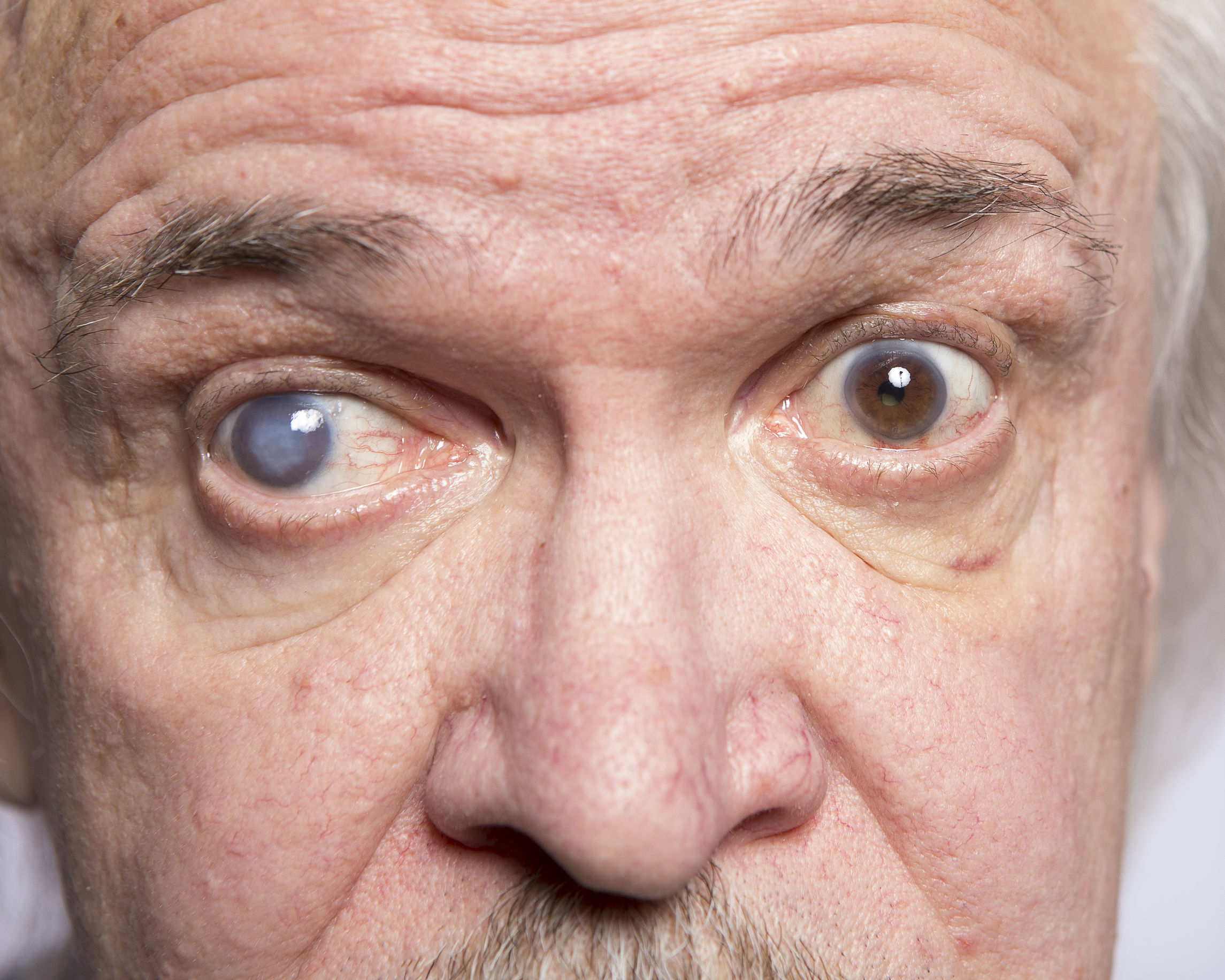
Senile cataract is an age-related, vision-impairing disease characterized by gradual progressive thickening of the lens of the eye. It is the world’s leading cause of treatable blindness.
Nuclear cataract is the most common type of age-related cataract, caused primarily by the hardening and yellowing of the lens over time. “Nuclear” refers to the gradual clouding of the central portion of the lens, called the nucleus. Cataracts often develop slowly and painlessly, so vision and lifestyle can be affected without a person realizing it.
There is no medical treatment to prevent the development or progression of cataracts. Modern cataract surgery, which is the removal of the cloudy lens and implantation of a clear intraocular lens, is the only definitive treatment for cataracts and is one of the most commonly performed surgeries in the world.
4. Pneumonia
Pneumonia is an infection that inflames air sacs in one or both lungs and may cause them to fill with fluid or pus. The infection can be life-threatening to anyone, but particularly to infants, children and elderly people.
Symptoms of pneumonia include a cough with phlegm or pus, fever, chills and difficulty breathing. This infection is spread by airborne respiratory droplets that come from coughs or sneezes.
Antibiotics can treat many forms of pneumonia. Some forms of pneumonia can be prevented by vaccines.
Also read: The ultimate detox to fight flu

5. Severe depressive episode
A severe depressive episode is a period of time characterized by the symptoms depression and typically lasts for two weeks or more.
Symptoms can include a loss of interest or pleasure in everyday activities, feelings of emptiness, hopelessness, anxiety, worthlessness, guilt and/or irritability, changes in appetite, problems concentrating, remembering details or making decisions, and thoughts of or attempts at suicide.
Insomnia or hypersomnia, aches, pains, or digestive problems that are resistant to treatment may also be present.
Treatments for a major depressive episode include exercise, psychotherapy and antidepressants, although in more serious cases hospitalization or intensive outpatient treatment may be required.

While some of these conditions can strike at any age, Arnold said they found that there is often a steep uptake in claims for people past the age of 50.
Claims for chronic renal failure for example, were nearly 30% higher for people in their 50s than for those in their 40s.
“These days, simple tests are available to identify health risks such as high cholesterol levels and abnormal blood pressure. If these are detected early on, then it is often possible to prevent related conditions, such as coronary heart disease, which is the most common cause of our most claimed-for condition in 2016, unstable angina,” he said.
“Other health screenings, such as kidney function and eye tests, may help to identify underlying issues that can often be effectively managed or improved with medication or procedures.
“Senile nuclear cataract, the third most frequently claimed-for condition last year, is known to be the leading cause of blindness, however the good news is that it can usually be rectified,” Arnold adds.
In the end it is never too early to start taking beter care of yourself. Regular exercise is one of the best ways of dealing with stress, losing weight and reducing the risk of many non-communicable diseases such as diabetes and heart disease. Exercise has also long been reputed to help ward off kidney diseases and – according to the World Health Organization – there is evidence to suggest that diabetes and high body mass index could increase the risk of developing cataracts.
So don’t leave it until it is too late, start exercising today, improve your diet and – very importantly – never ignore the signals your body is sending you.
>> Expect to find the latest trends in Health, Wellness and Beauty in Ballito.
>> Meet the top players in the North Coast property industry. See our Property People feature.
Do you want to receive news alerts via WhatsApp? Send us a WhatsApp message (not an sms) with your name and surname to 061 718 4438.
Please read our WhatsApp broadcast list disclaimer.
Join us on BBM at 59015786
Join the conversation on Facebook, Twitter and Instagram.
Stay in the loop with The North Coast Courier on Facebook, X, Instagram & YouTube for the latest news.
Mobile users can join our WhatsApp Broadcast Service here, or if you’re on desktop, scan the QR code below.