

Get those binoculars out – the birds are back in town!
The Yellow Billed Kites have returned to our shores, signalling fruitful times for bird watchers ahead
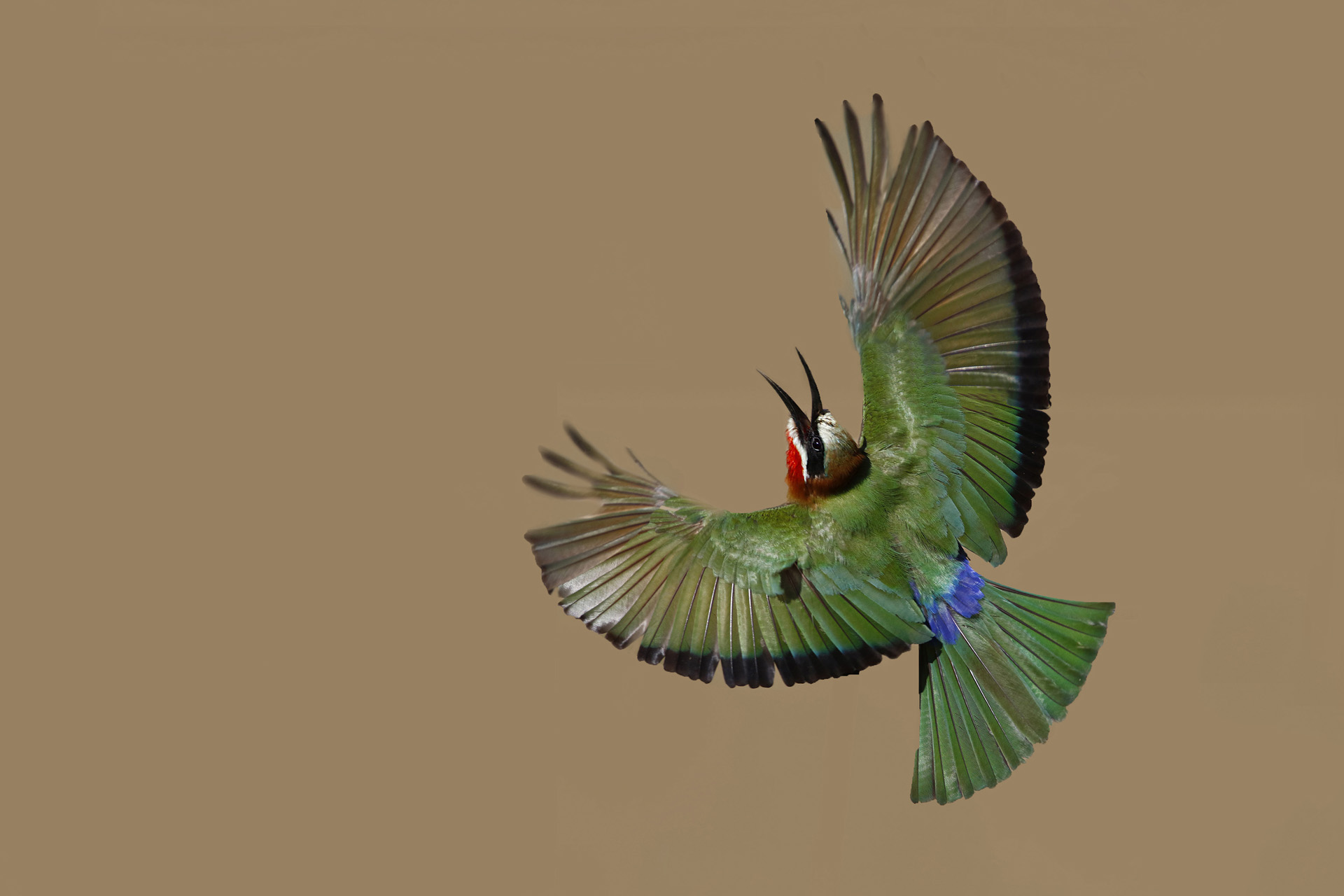
I just flew in from Russia – and man are my arms tired.
Bad jokes aside, the Yellow Billed Kites are returning to South Africa as summer approaches, having migrated all the way to Central and Eastern Africa for the winter – some even make it as far as Europe and the Russian steppes.
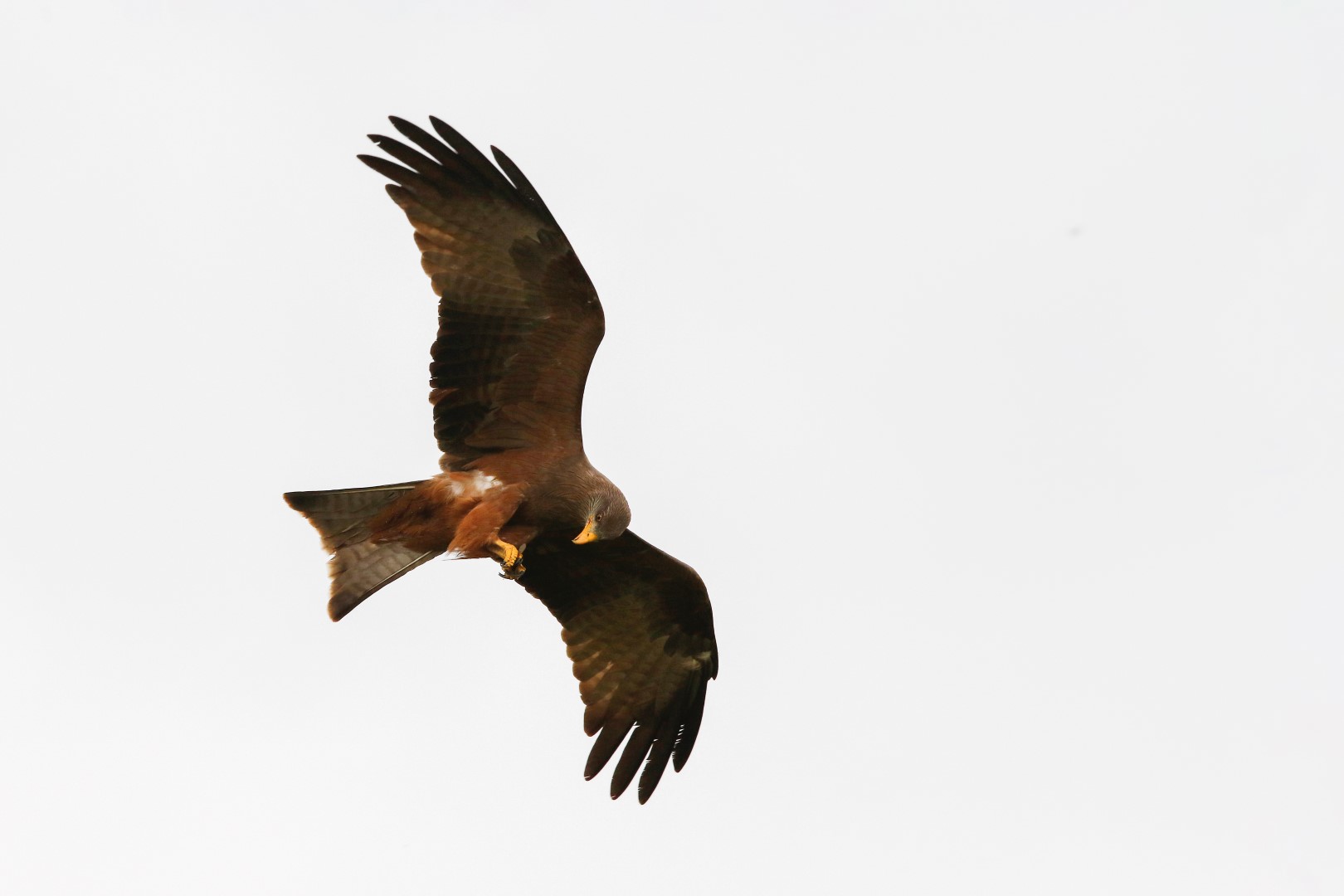
Summer is definitely bird season on the KZN coast, with many migratory species returning and others starting their breeding cycle.
The Courier spoke with professional bird photographer JD Lotz, who said now was the time to get those binoculars out again.
“The North Coast is a birding paradise, with so much on display you could easily find yourself spending a whole day in a hide just watching.”
Where to go birding
Close to home Lotz recommends bird lovers spend a day at the Sappi-Stanger Hide.
This Hide is situated just off the N2 at Stanger overlooking a large settling pond that is mostly covered by reeds and rafts of water hyacinth.
A variety of wader and waterfowl species are attracted in fairly large numbers, and the hide provides the opportunity to view a number of wetland species from the hide where there is also a picnic spot and toilet facilities.
From Herons to Crakes, Wagtails and Warblers – this spot offers plenty to keep you watching all day.
To get there, turn left off the N2 at the KwaDukuza off-ramp and after 1km, immediately after crossing a bridge, turn left again to the Sappi Stanger mill. The mill is about 3km along this road. Drive to the very end of the road to the security office entrance gate on the right. Ask at the security office for the key to the hide. You will be required to fill in an indemnity form and visitors book. Remember to ask for the key to the picnic site if you plan to picnic or possibly use the toilet.
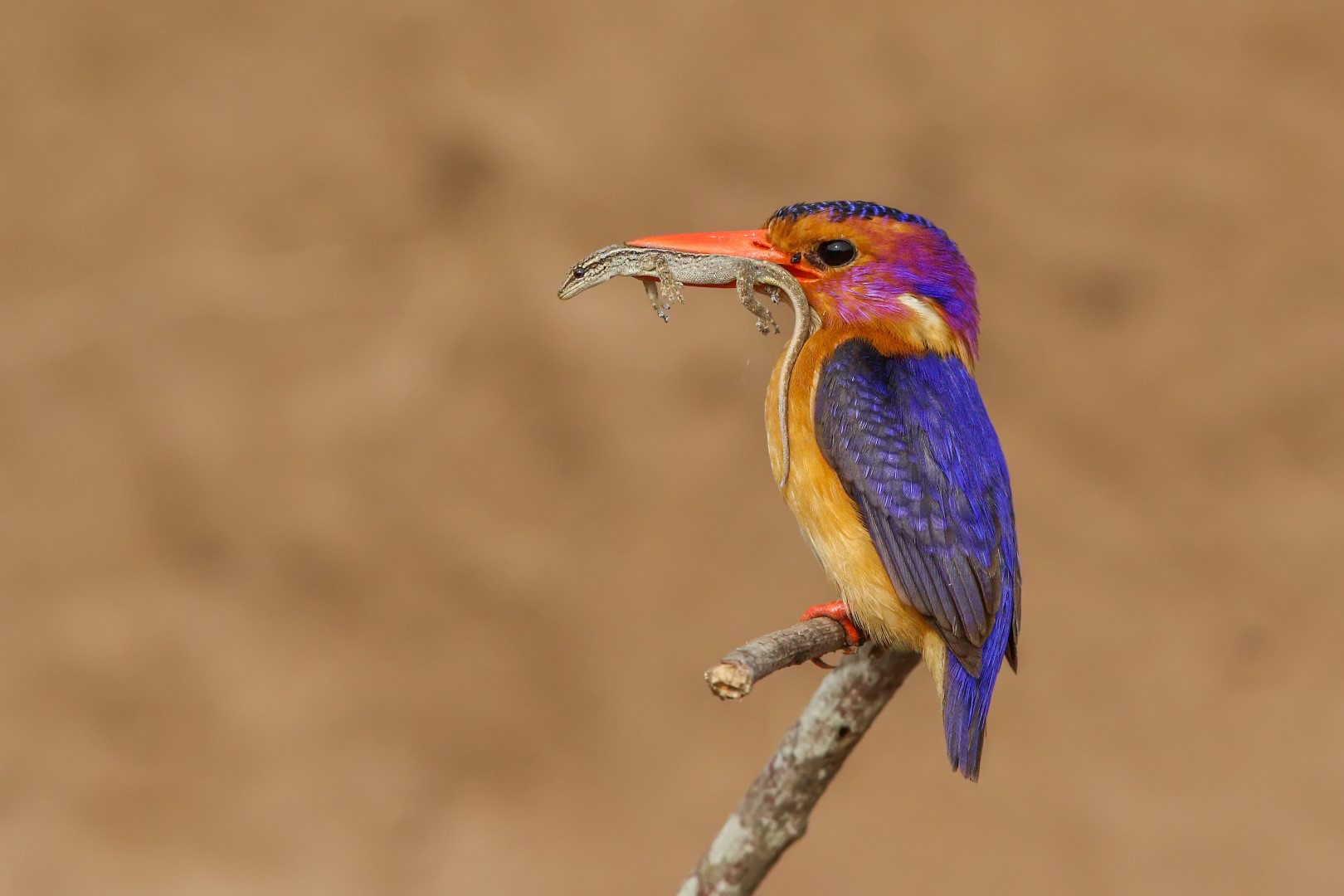
A little further afield Lotz said some of his favourite birding weekends were spent in Amatikulu Nature Reserve just north of the Tugela River.
The reserve has a wide variety of incredible birds, including the Dwarf Bittern, Crested Guineafowl, Green Malkoha, Swamp Nightjar, White-fronted Bee-eater, Olive Woodpecker, Black-throated Wattle-eye, Gorgeous Bush-Shrike, Green Twinspot, Grey Waxbill and many, many more.
Harold Johnson nature reserve is also a little gem for birders. Located on the Tugela River near the mouth, the reserve has a variety of indigenous thornveld which attracts 114 species of butterflies and 200 species of birds.

For a weekend away, KwaZulu-Natal has more than 80 provincial reserves, between them encompassing every habitat.
Some have bird lists exceeding 400, quite a few have over 250 species. Below are some of the reserves considered the very best for bird lovers:
St Lucia:
With a bird list of over 350, the main habitat is a huge shallow lake opening to the sea through a very narrow estuary with mudflats, reedbeds, saltmarsh and mangroves. A mosaic of grasslands and forests surrounds the lake.
Sodwana and Kosi Bay
By far the best places to see birds of coastal grasslands and marshes, and dune forests, these two areas also boast bird lists of over 350.
Hluhluwe-iMfolozi Park
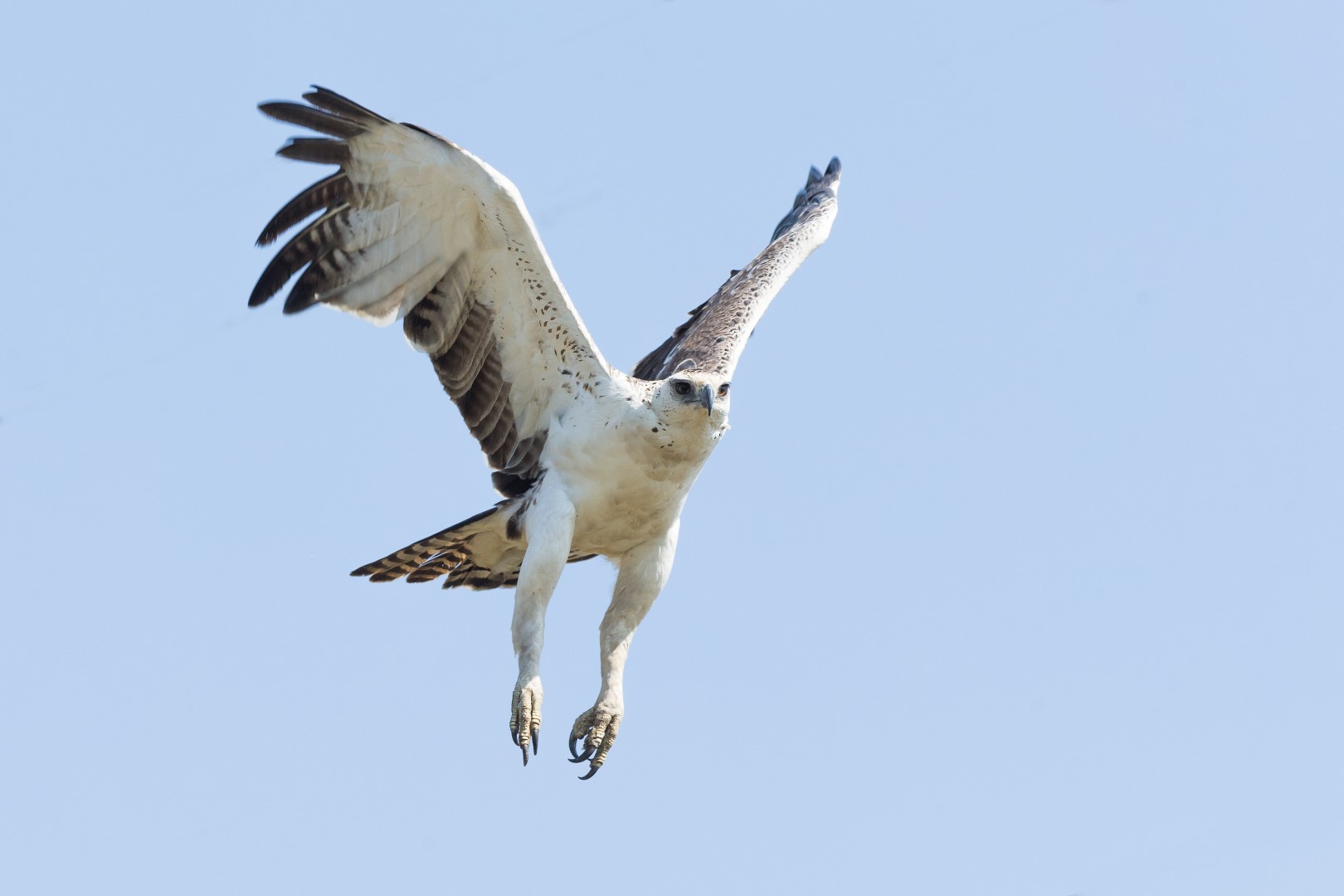
With a whopping species list nearing 400, Hluhluwe’s main habitats are woodlands and scarp forest, with a great abundance of mammals. This is the best place to see most large raptors for those of you who can not get enough of birds of prey.
Ukhahlamba Drakensberg Park
Boasting a list of over 300 identified species, the Ukhahlamba park’s main habitat is montane grassland, with rock faces and low shrublands at highest altitudes. Lower down are evergreen montane forests, Protea woodlands and fast-flowing streams.
Umlalazi
Near Mtunzini, this park has a bird list over 300. The habitat is a mosaic of reedbeds, saltflats, mangrove swamps, estuary and dune forest.
Ithala
Ithala’s habitat ranges from grassy upland plateau, through steep rocky woodlands, to tropical vegetation in the lowlands alongside the Pongola River, making it a perfect habitat for the over 320 species identified there.
Oribi Gorge
Close to Port Shepstone, the Oribi Gorge has more than 250 bird species. Habitats include wooded grassland, rocky cliffs, and evergreen scarp forest fringing fast-flowing streams.
>> Expect to find the latest trends in Health, Wellness and Beauty in Ballito.
>> Meet the top players in the North Coast property industry. See our Property People feature.
Do you want to receive news alerts via WhatsApp? Send us a WhatsApp message (not an sms) with your name and surname to 061 718 4438.
Please read our WhatsApp broadcast list disclaimer.
Join us on BBM at 59015786
Join the conversation on Facebook, Twitter and Instagram.
Stay in the loop with The North Coast Courier on Facebook, X, Instagram & YouTube for the latest news.
Mobile users can join our WhatsApp Broadcast Service here, or if you’re on desktop, scan the QR code below.