

Lifeguards prepare for thousands to decend on Ballito beaches
Lifeguards will be on duty from 6am to 6pm and people are advised to always swim only where lifeguards are on duty.

With on average 1500 people expected to flock to each beach along the Dolphin Coast this holiday, water safety is a priority.
KwaDukuza municipality (KDM) marine safety manager Steve Honneysett said KDM have employed 49 temporary lifeguards to add to the 25 permanent lifeguards.
The guards will be on duty from 6am to 6pm and people are advised to always swim only where lifeguards are on duty.
“The lifeguards will be split across all the beaches in our area and it’s highly recommended that, should people not be sure where to swim, they should ask the lifeguards,” said Honneysett.
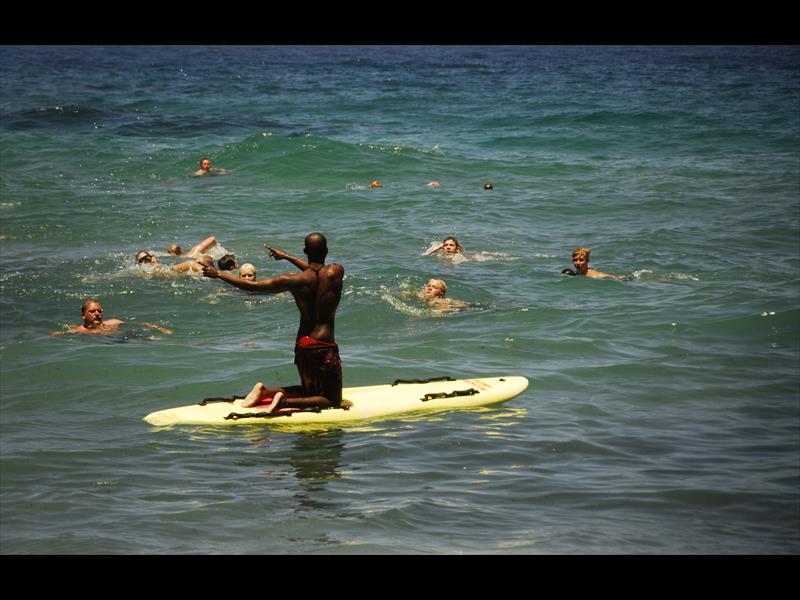
KDM lifeguard superintendent Bongani Xulu shares a few important tips on what to do when caught in a rip current.
“Where there are rocks there is always a rip and people should, by all means, try and avoid swimming near the rocks. However, if you are caught up in a rip current, it is important to stay calm and relaxed.
“You are not going to win a fight with the ocean. All you need to do when you are caught in a rip is to swim parallel to the rip or the shore,” said Xulu.
He said people should know that a rip current will only take you out to back line, behind the waves.
“You just need to relax and go with the flow.”
Rip currents will not pull you under so long as you can tread water or float. You will be safe if you stay calm until you can escape the current and head back to the beach.
“Do not panic but wave your arm so the lifeguards can see you need assistance,” said Xulu.
He said most people who get into trouble in a rip current start to panic and then swallow water, which increases their chances of drowning. That is how most drownings take place.
Before you go out in the water, talk to the lifeguards on duty.
Ask them where the rip currents are and the safest place to swim.
Safe swimming tips in the sea
- Check the weather and the tides before you leave home – if the sea is too rough, you could be swept away.
- Before entering the sea, take time to watch the waves and avoid areas where there is a strong backwash, obvious rip currents or a danger of being washed onto the rocks. Only enter where the waves are straight and gentle. If you experience a strong current, get out.
- Never swim while you are intoxicated. Alcohol impairs judgement and unnecessary risks are taken. An intoxicated swimmer will tire more easily, increasing the chance of drowning.
- Only swim in designated areas that are supervised by lifeguards. If the lifeguards give you directions or instructions from the beach, obey them.
- Look out for warning signs and flags – a red flag means it is dangerous to swim.
- A red and yellow flag means lifeguards are on duty and you should only swim in the area between the flags.
- Avoid swimming immediately after a big meal, as there is a danger of having cramps.
- Do not dive into shallow seawater.
- Do not swim in river mouths, in dirty water, very early in the mornings, early evenings or after it has rained as shark activity increases in these conditions. Also do not swim when bluebottles are present as they are poisonous.
- Never leave a young child unattended near water and never make a child responsible for another child – not even for five minutes. Teach children to always ask permission to go near water. If a child is missing, check the water first. Seconds count in preventing drowning or permanent disability.
- Swimming aids, such as water wings or noodles, are fun toys for kids, but they should never be used instead of approved flotation devices and children wearing them must be watched.


Do you want to receive news alerts via WhatsApp? Send us a WhatsApp message (not an sms) with your name and surname to 061 718 4438.
Please read our WhatsApp broadcast list disclaimer.
Join the conversation on Facebook, Twitter and Instagram
Stay in the loop with The North Coast Courier on Facebook, X, Instagram & YouTube for the latest news.
Mobile users can join our WhatsApp Broadcast Service here, or if you’re on desktop, scan the QR code below.