

Sugarcane burning code of conduct to be enforced
The COP states that apart from facing a fine of R50 000, repeat offenders will also be registered in the local media.
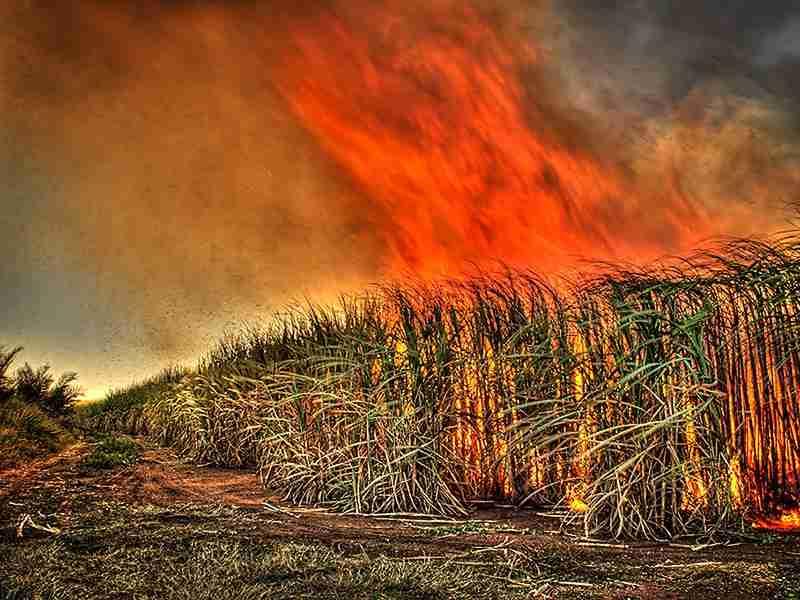
As sugar cane fires billow smoke along the North Coast there is a piece of good news for residents who want to stop the burning that environmental advocates say pollutes the air and causes health problems.
Recent changes to the Code of Practice (COP) governing sugarcane burning have been implemented in an effort to regulate sugar cane field burning and protect communities living near canefields.
While critics argue that everything from asthma attacks to itchy eyes are worsened by the burning, sugar industry leaders dispute air pollution concerns and health threats.
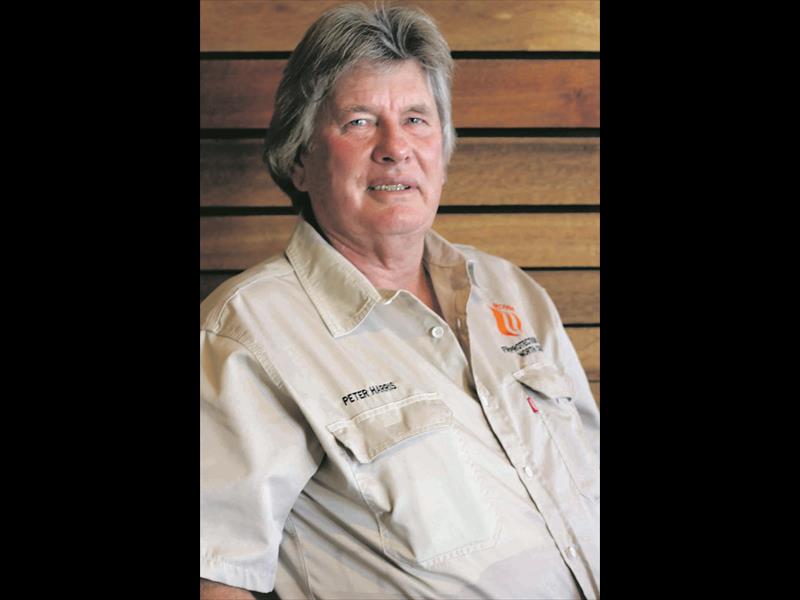
However according to newly appointed fire protection officer for the North Coast, Peter Harris, the practice of burning is implemented for a number of reasons and until proven technology allows economically efficient harvesting without burning, it is critical that growers and processors do the best job possible with regard to smoke and ash management.
“The COP for the burning of sugarcane was introduced many years ago but it was purely a guideline without any monitoring and penalties for transgressions. In a meeting held towards the end of last year, the issue of sugarcane burning was addressed by various stakeholders.
“The meeting resulted in changes to the sugarcane burning COP.
‘These changes were approved, and subsequent changes to the eThekwini municipality air quality management by-laws were introduced,” said Harris whose recent appointed was as per the requirements of the National Veld and Forest Fire Act of 101 of 1998.
The by-laws will ensure correct community inclusive farming practices as set out by the amended COP are adhered to by sugar cane growers.
“My job is to ensure the COP for the burning of sugarcane is followed by the farmers in the region.
“The objective of this code is to minimise smuts deposits and pollution caused by cane fires on sensitive areas,” said Harris.
According to the COP sensitive areas include all urban residential areas and industrial complexes, schools, hospitals, district and national roads, telecommunication and power lines and King Shaka airport.
The code defines the prevention of smut deposits in sensitive areas and cautions growers against burning if the wind is likely to carry smuts over sensitive areas.
“Particularly between the months of August and November during morning burns.
“There is also a restriction on burning on the weekend and no burning between 9am on Saturdays and 4pm on Sundays.
Disciplinary procedures are also set out should farmers not adhere to the COP.
“There are approximately 20 controlled sugarcane fires a day, Monday to Friday in the KwaDukuza area.
“This season, 18 complaints were received with four related to controlled burns.
“The farmers had not abided with the COP in all four cases,” said Harris who added the disciplinary procedures under the COP was clear with heavy fines been enforced to repeat offenders.
The COP states that apart from facing a fine of R50 000, repeat offenders will also be registered in the local media, identifying the offender and describing the circumstances.
While sugar cane growers argue that stopping the burning “would significantly impact our business and take jobs away” future improvements on the current system are possible, especially if the guidelines set out by the amended Code of Practice (COP) are followed.
Anyone wishing to report a possible infringement of the sugarcane burning code of practice must report the date of the incident with the time and location to Peter Harris on 032 815 1078 or 072 264 9592.
Stay in the loop with The North Coast Courier on Facebook, X, Instagram & YouTube for the latest news.
Mobile users can join our WhatsApp Broadcast Service here, or if you’re on desktop, scan the QR code below.