
North Coast coastline “under threat” from oil giants, claim environmentalists
South African company Sasol and the Italian oil and gas corporation Eni have teamed up to explore potential oil and gas reserves under the North Coast seabed.
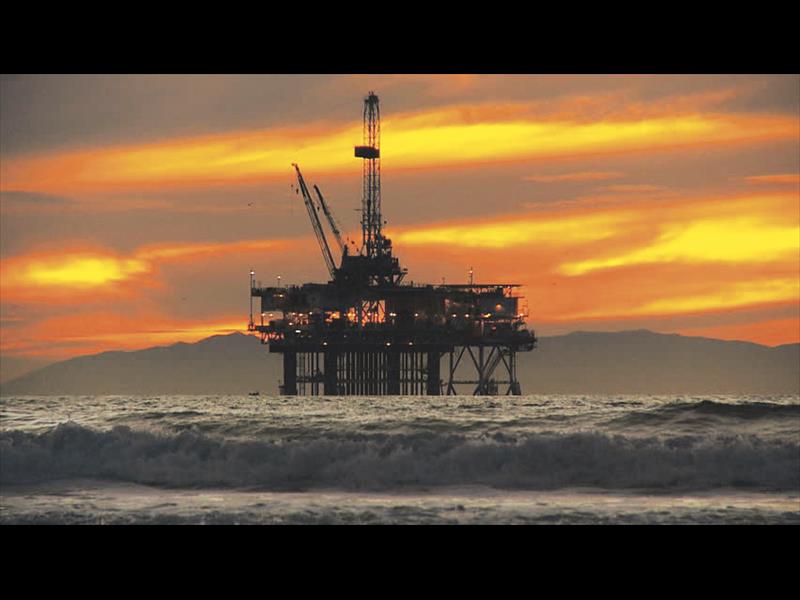
Plans for off shore oil and gas exploration along the North Coast coastline have been met with great concern by environmental organisations who held a public meeting at the Ballito Library recently.
The meeting was organised by the South Durban Community Environmental Alliance (SDCEA) who are opposing the plans due to the risks it poses to marine life, tourism and potential oil spills.
According to SDCEA’s coordinator, Desmond D’Sa, a 2014 Goldman prize recipient, South African company Sasol and the Italian oil and gas corporation Eni have teamed up to explore potential oil and gas reserves under the North Coast seabed at depths of between 3.8km and 4.8kms.
As of yet, offshore oil has not been found.
The project forms part of the government’s Operation Phakisa initiative that aims to tap into the economic potential of the ocean.
Ocean exploration for oil and gas involves Seismic surveying, a process used to produce detailed images of local geology to source the location of possible oil and gas reservoirs.
Sound waves are bounced off underground rock formations, and the waves that reflect back to the surface are captured by recording sensors for later analyses.
Why has this got environmentalists up in arms?
Environmental organisations are stating that if you are a whale, dolphin, turtle, cod, scallop or even plankton to name but a few, then these seismic blasts are enough to make you beach yourself.
Scientists have proven that seismic blasts can interrupt the communication, reproduction, navigation and eating habits essential to the survival of marine life.
In 2016 a seismic survey was conducted between Durban and Richards Bay, spilling over into whale migration season. During this time, a record number of whale stranding’s were recorded off the east coast of South Africa.
Last year Specialised Search and Rescue Unit’s Quentin Power told the Courier there had been an increase in the number of dolphins and whales washing up on KZN shores.
He said he believed the increase could be caused by the disruption of one of the seismic survey vessels off the KZN coast for the exploration of oil and gas.
However, this would only be proven by further scientific research.
D’SA said the Environmental Alliance had requested a meeting with Sasol last year to explain to the community their stance on oil and gas drilling.
According to D’SA multiple international companies hope to hunt for oil off the coast of South Africa which has an area that is 3,000km in length and covers
200 000 square kilometers of ocean. In South Africa, due to Section 39 of the Minerals and Petroleum Resources Development Act being pulled, an environmental impact assessment (EIA) for petroleum exploration is no longer required.
What this means is that the oil and gas industry both monitors and polices itself.
A petition has been started in efforts to reinforce an appeal process that has been put in place to enact regulations specific to stringent mitigation of seismic exploration of our coastline.
“Ballito is one of the many coastal areas in KZN and our aim is to get all coastal areas involved and informed about this development,” said Sherelee Odayar project officer of the SDCEA.
“Oil drilling will have a huge impact and destroy biodiversity. Instead of remaining addicted to such dangerous forms of fuel, can we not put pressure on our politicians to urgently convert South Africa to renewable energy, public transport and non-fossil agriculture? We do not want them to come here and destroy our beautiful ocean,” said D’sa.
To get involved visit SDCEA’s website www.sdcea.co.za or their Facebook page Sdcea Ngo or contact 031 468 7257.
Stay in the loop with The North Coast Courier on Facebook, X, Instagram & YouTube for the latest news.
Mobile users can join our WhatsApp Broadcast Service here, or if you’re on desktop, scan the QR code below.