

Municipalities may soon be allowed to charge landowners, developers for infrastructure upgrades
These charges, according to National Treasury, are to cover costs incurred by a municipality when existing infrastructure needs upgrading or, when installing new infrastructure at proposed development sites.
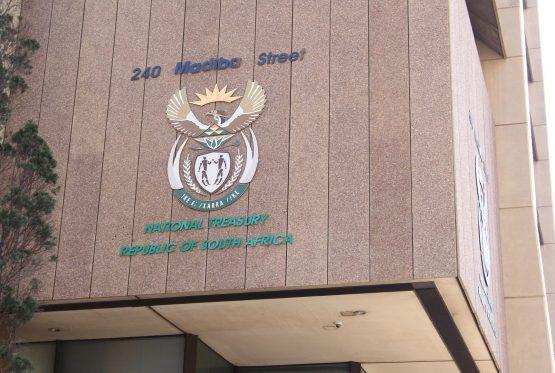
National Treasury has published a bill which proposes that municipalities be able to charge land owners and developers for infrastructure.
The Municipal Fiscal Powers and Functions Amendment Bill, if passed into law, will see developers and land owners pay a once-off charge levied against them by the municipality as a condition for approving land development applications.
These charges, according to National Treasury, are to cover costs incurred by a municipality when existing infrastructure needs upgrading or, when installing new infrastructure at proposed development sites.
In short, should a new residential estate be built, its developers and the owners of the land would have to pay the municipality for the provision of sewerage, water, electricity, roads, storm water, gas and solid waste removal and collection infrastructure.
With a booming and constantly growing North Coast, developers and land owners may possibly fork out some serious cash should the bill be passed and new developments pop up.
The bill has been welcomed by local government, but business people are less excited.
KwaDukuza municipality has welcomed the proposed bill, referring to it as a ‘long-outstanding piece of legislation.’

“KDM has been at the forefront of contributing towards this policy as it was selected to participate in the initial consultation with those municipalities which already apply a developers’ contribution,” said KwaDukuza municipality media liaison officer, Sipho Mkhize.
“The municipality will be taking part in the provincial roadshows and will also submit its position paper on this policy based on their own experience in determining developers’ contributions informed by practicalities on the ground,” said Mkhize.
Chief operations officer at Royal Palm Property Holdings Group (RPPH), Olivia Roels-Sak, said they had handed over infrastructure to the local municipality and district municipality worth R45 million.

This infrastructure, paid for by the RPPH Group, includes electrical cables from Shakaskraal through to Palm Lakes estate, a mini sub-station, a 6.6 megaton water reservoir and main water lines.
“RPPH understands that these costs can be charged to the land owners, however this means that every land owner basically becomes a shareholder in the infrastructure. Now this becomes very tricky,” said Roels-Sak.
She maintains that if the municipality profits in the long run from this infrastructure, it would only be fair that the land owner receives a rebate for their investment.
“If the municipality or the water supplier cannot deliver water and electricity, any development plans should be put on hold until further notice. What is the point in developing without water and electricity?” she asked.
iLembe Chamber of Commerce chief executive Cobus Oelofse also questioned the proposed bill.

“The bill’s aims of predictability, certainty, assurance and especially finality around development charges, through the establishment of an unambiguous, fair and consistent basis for calculating and recovering development charges, are equally important for both municipalities and developers,” said Oelofse.
“Considering the significant contribution of the property development sector to our regional economy, the standardisation of, and transparency around the co-called developers’ contributions have been a lobbying priority and focus of the iLembe Chamber since inception.”
Oelofse said the chamber would make a submission on the draft legislation, which would acknowledge the fine balancing act between the desperate need for the region to retain its appeal and competitiveness among local and international property developers, but at the same time ensure the development of new infrastructure required, or the upgrading of existing infrastructure, was provided for in a responsible manner.
The bill is available for public comment until March 31. For details visit treasury.gov.za.
Download The North Coast Courier mobile app, now available free from the Apple iStore and on Google Play, for IOS and Android phones.

Stay in the loop with The North Coast Courier on Facebook, X, Instagram & YouTube for the latest news.
Mobile users can join our WhatsApp Broadcast Service here, or if you’re on desktop, scan the QR code below.