

Economic impact of Covid-19 on local flower industry massive
Parties, functions and weddings have been called off and event planners pulled the plug en masse, cancelling all orders of flowers.
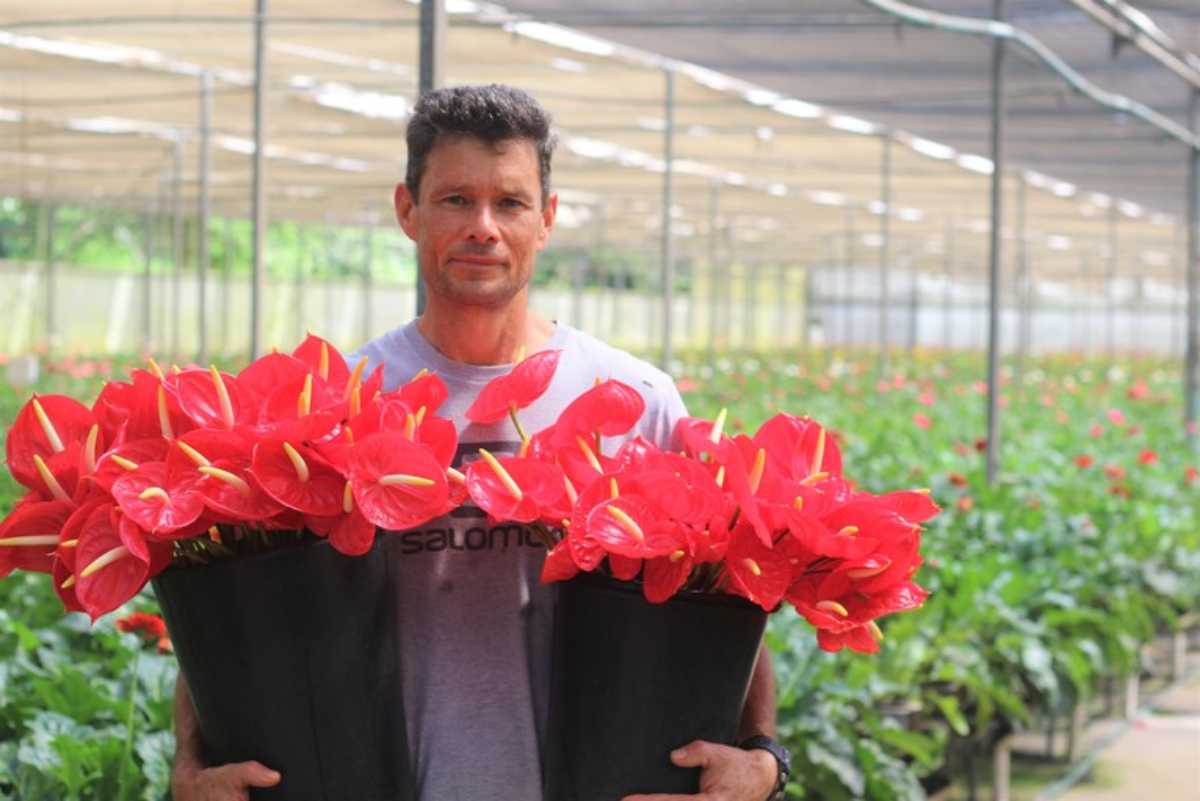
Two Dolphin Coast flower farmers, amongst the largest producers of cut flower in South Africa, are staring at disaster if disruptions caused by the coronavirus pandemic continue for another month.
The pandemic has hit supply chains including major retailers and the event industry.
Local flower farmers discussed with the Courier the devastation the flower farming industry is experiencing due to lack of demand from consumers, cancelled orders from industry outlets and transportation line shutdowns.
“Almost the entire market has collapsed. Technically, our industry has been on lockdown for a while,” said flower producer Sean O’Conner, whose business over the last two weeks has just disappeared.
Since the government declared the pandemic a national disaster and limited public gatherings to 100 people (now 50) two weeks ago, flower producers ceased almost all of their operations.
Parties, functions and weddings have been called off and event planners pulled the plug en masse, cancelling all orders of flowers.
“Our industry shut down overnight after the government banned social gatherings,” said O’ Conner, who has been farming for almost 20 years and employs 36 full-time workers.
” I think its fair to say that all farmers are very nervous right now about where all markets are heading,” he added.
The coronavirus outbreak has consumers focused on buying necessities like toilet paper, hand soap and food. What their wallets do not stretch to are flowers on their way to the checkouts, and that’s a problem.
Flower farmer Rob Tucker, whose greenhouses are in Chaka’s Rock, is a mass volume producer who grows high quality flowers specialising in Anthuriums, Gerberas and Rucas. He said the coronavirus has been a disaster for his business.
“We supply wholesalers and have a national contract with a major retailer, but the orders have stopped dead.”
There is no rebound for the farmers – they will have to dump most of their harvests, losing thousands of rands. Roughly 300 million flower stems are produced in their 50 000 square metres of tunnels every year.
Tucker said in the past three weeks he has lost over R600 000 in stock. He produces 25 000 stems per week of the hydroponically grown plants.
The coronavirus will impact the entire industry, large and small, said Tucker, who has been in the flower industry since 1993.
How much? “I think it’s still up in the air right now,” he said.
The farmers said if sales do not recover after the 21-day shutdown they will be forced to close their business and layoff staff.
* Notice: Coronavirus reporting at Caxton Local Media aims to combat fake news
Dear reader,
As your local news provider, we have the duty of keeping you factually informed on Covid-19 developments.
As you may have noticed, mis- and disinformation (also known as “fake news”) is circulating online. Caxton Local Media is determined to filter through the masses of information doing the rounds and to separate truth from untruth in order to keep you adequately informed.
Local newsrooms follow a strict pre-publication fact-checking protocol.
A national task team has been established to assist in bringing you credible news reports on Covid-19.
Readers with any comments or queries may contact National Group Editor Irma Green (irma@caxton.co.za) or Legal Adviser Helene Eloff (helene@caxton.co.za).
Do you want to receive news alerts from The North Coast Courier via WhatsApp? Send us a WhatsApp message (not an sms) with your name and surname to 061 718 4438.

Stay in the loop with The North Coast Courier on Facebook, X, Instagram & YouTube for the latest news.
Mobile users can join our WhatsApp Broadcast Service here, or if you’re on desktop, scan the QR code below.