

Testing for Covid-19 starts in KwaDukuza
Not everyone will be tested, health workers will use a formula by looking at how serious your symptoms are and what high-risk factors you have.
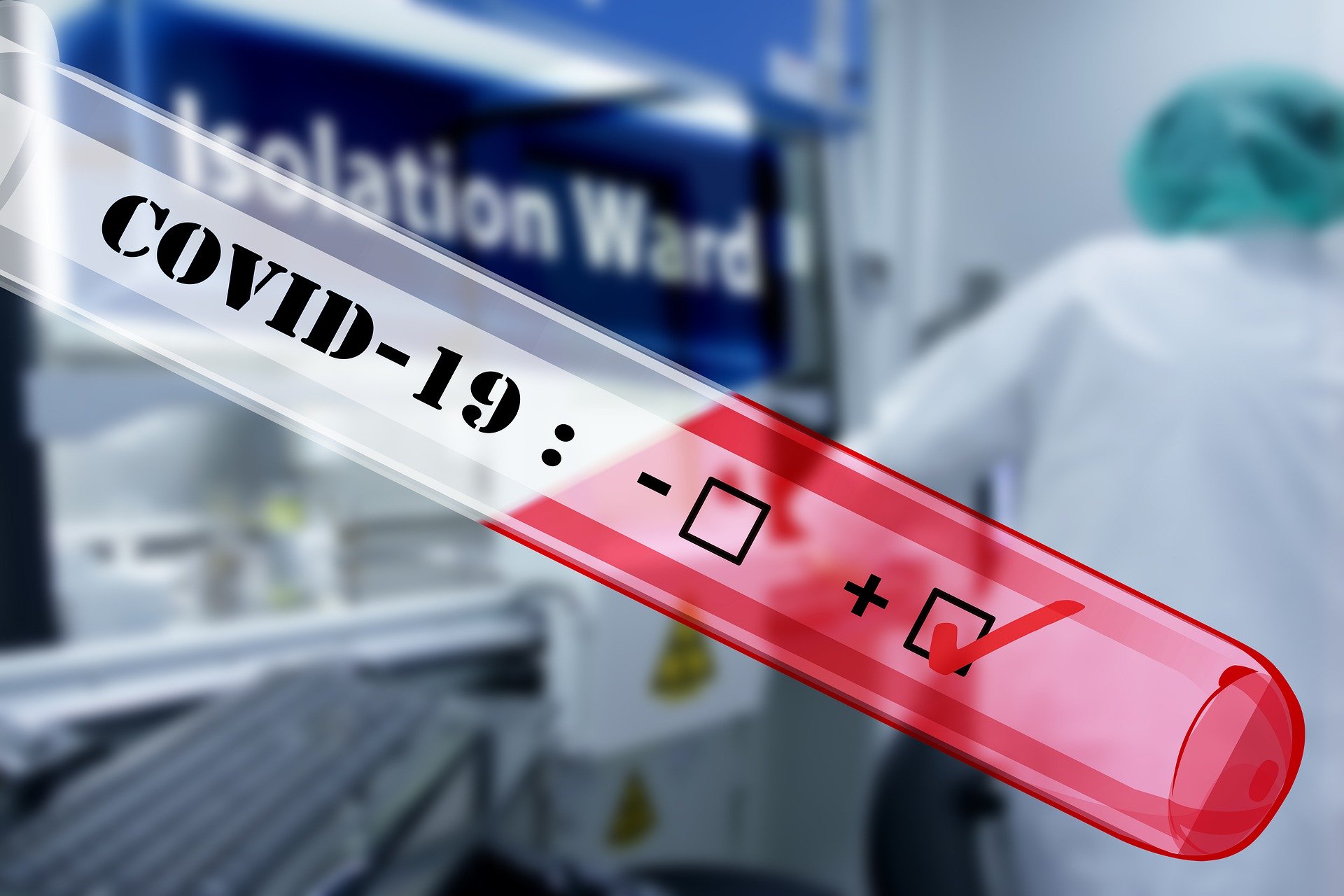
The KwaZulu-Natal provincial health department on Tuesday said it would start community screening and testing for Covid-19 from Wednesday.
The screening and testing programme will start in Stanger Heights from 8 to 9 April.
KwaDukuza municipality spokesperson Sipho Mkize said the screening and testing would be done by field nurses in full uniform, driving department of health branded vehicles.
This is in line with President Cyril Ramaphosa and Health Minister Zweli Mkhize’s announcement that fieldworkers will begin with an active community screening and testing programme.
The government’s tracing, home screening and testing programme was unveiled in Umlazi, south of Durban last Saturday.
KZN’s MEC for Health, Nomagugu Simelane-Zulu and her department chose Umlazi for the pilot project as schoolteacher Tholakele Shandu, who succumbed to the virus, came from that neighbourhood.
On Tuesday afternoon the Health Ministry confirmed that the number of confirmed coronavirus cases in the country had risen to 1749 with 13 confirmed coronavirus-related deaths.
Community screening and testing will start in the following areas:
8 April – households close to Stanger Heights primary school
9 April – households close to the KwaDukuza motor licensing and testing grounds.
Screening and testing will be expanded to other vulnerable communities at high risk of coronavirus spreading from person to person.
Screening will be done by health workers using simple verbal questions to identify people who may require testing.
Health workers will ask health questions aimed at screening for symptoms (a sore throat, a cough or fever) and scan foreheads to measure temperatures.
Testing will be done if questions indicated that you require a further test. Tests will be done at health care facilities and mobile testing sites.
Not everyone will be tested, health workers will use a formula by looking at how serious your symptoms are and what high-risk factors you have.
The tests will be done by taking a swab from your nose and throat or a blood sample.
The samples will be tested by a laboratory for the the virus or its antiibodies.
Test results will not be immediately available but patients will be followed up and advised of their status.
What communities should do:
- Encourage people to be screened and tested
- Look out for health workers who have official identification and branded clothing
- Support our health workers and keep them safe
- Help to keep communities clean and encourage good behaviour
- Don’t be afraid of testing
- Support the elderly and children
Important numbers:
National hotline: 0800 029 999
WhatsApp send “hi” to 0600 123 456
Do you want to receive news alerts from The North Coast Courier via WhatsApp? Send us a WhatsApp message (not an sms) with your name and surname to 061 718 4438.

Stay in the loop with The North Coast Courier on Facebook, X, Instagram & YouTube for the latest news.
Mobile users can join our WhatsApp Broadcast Service here, or if you’re on desktop, scan the QR code below.