

The church has left the building
Equipped with microphones, cameras and computers, podcasts and streaming video feeds enable the faith-based communities to continue 'meeting' during lockdown.
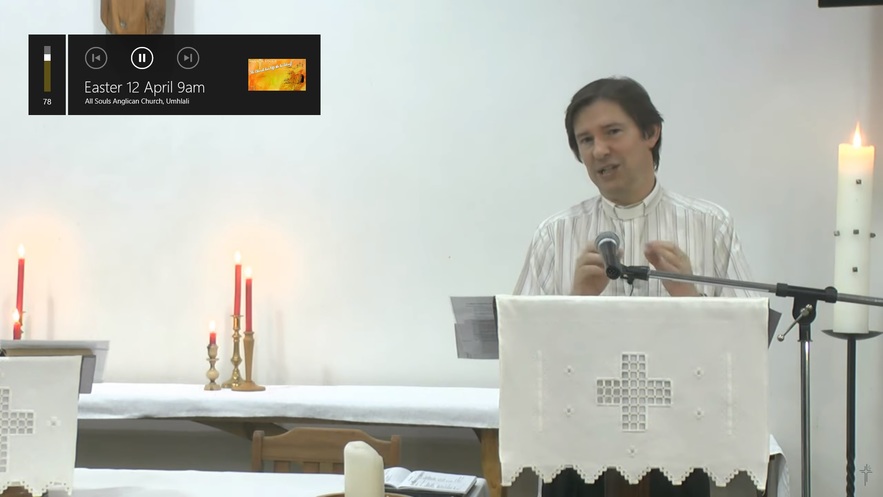
As global lockdown restrictions gain momentum due to the Covid-19 pandemic, many people are turning back to their faith for hope and relief from tragedy, in prayer that divine intervention will intercede where modern medicine cannot.
Religious gatherings in churches, mosques, temples and synagogues are updating hundreds of years of tradition with current technology, streaming church services, mass and prayers online direct to peoples’ homes.
Connectivity has played a large role in the church community, particularly through Easter, where sermons and messages of hope have been relayed to those members fortunate enough to have an internet linkup.
Equipped with microphones, cameras and computers, podcasts and streaming video feeds enable the faith-based communities to continue ‘meeting’ during lockdown.
All Souls Anglican Church in Sheffield has had a steep learning curve since the national lockdown, as one of the many faith-based communities getting to grips with the technological era.
“We have had an incredibly good response from our congregation,” said Rector Chris Meyer.
“Having started from scratch, the 600 families that make up our church have seen our viewership double since going online.”
Meyer intends to keep the digital services running after the lockdown, to reach more people outside of the grasp of conventional church meetings.
“We have developed a caring attitude towards one another as a result of the pandemic, and while people are asking a lot of questions about the virus and religion, going online has allowed us to converse more openly with our members and the public,” said Meyer.
Not all communities are able to reap the benefits of the internet for religious purposes however, as the privilege of wireless communication is not widespread among the less-privileged.
Groutville Congregational Church member and pastor Ben Ndaba is a retired schoolteacher, and serves as part of the ministry by stewarding small groups of under 50 people.
“We have not been able to meet as we usually do like normal, or attend church on a Sunday,” said Ndaba.
“So far we have held intimate services in our homes with one or two people over Easter to celebrate, and we call our members to see how they are.”
Ndaba said while taverns and liquor outlets in the township were closed, his greatest concern was the search for illegal ways to obtain alcohol.
“We as the church are abiding by the rules of the lockdown, but there is an element of carelessness in the villages where people still walk openly and sell products unlawfully from their homes.”
The Hindu Sivananda Vedanta Institute in Seatides has equally been busy keeping their members uplifted.
“We are making videos and constantly reaching out the people to remind them of the power of prayer and family in these difficult times,” said chairperson Logie Pandaram.
“Although we cannot be with our members and communities in gathering, our constant reminders let people know that we are still with them in times of difficulty.”
Pastor Ryan Matthews of Freedom House Church which meets in a simple ‘barn’ in Umhlali, said the crisis has shown his church the value and input that technology can have in a new medium.
“We have had over 2000 views on our live Facebook stream during church services,” said Matthews, who said with a smile that all good things start in a barn.
“The irony of this situation is that while we were previously reticent of an online presence, it has allowed many people to appreciate the desire of being face to face in a community of people. I suppose familiarity breeds contempt and this crisis reveals how we can be complacent, so this virus has led people back to faith in some ways.”
The holding of a formal service online has been a new experience for Father Stephen Tully and Father David Houbert of All Saint’s Catholic Church in Ballito.
“We have a YouTube channel where we upload daily reflections on the Gospel of the Day, and we celebrate mass during holy weeks and weekends online,” said Father Stephen.
Assistance to their members has even included members holding digital exercise classes, and while holding mass in an empty church may seem strange, Father Stephen is thankful that over 1000 people still tune in online.
In order to stay in accordance with lockdown regulations, the Catholic church has not been holding a confessional, but published a penitential service online for people to reflect on.
“Our members should not feel guilty for not being able to attend mass or services, as I believe God has got something special for us in mind during this time alone with Him,” said Father Stephen.
“Hopefully the lessons we have learnt in lockdown will grow roots in the community, helping us to appreciate people and community.”
The Islamic community has also taken heed of the national lockdown, restricting access to mosques for daily prayer with exception to those staff that work on the premises.
Ahmed (AV) Mahomed of the 140-year-old Juma Musjid in Grey Street, Durban, is the chairman of the largest mosque in the southern hemisphere, and said most mosques had closed in lieu of lockdown.
“We still have our daily prayer behind closed doors, as well as our call to prayer five times a day, but since our mosques see hundreds and sometimes several thousands of people each day, we have had no choice but to remain in lockdown ourselves,” said Mahomed.
“I appeal that Muslims observe and respect the call made by our President to protect our fellow human beings, regardless of race, colour or creed.”
According to Mahomed, mosques need not stream their prayers onto social platforms in order for participation, but he said there were some mosques that were sharing prayers and music online.
* Notice: Coronavirus reporting at Caxton Local Media aims to combat fake news
Dear reader,
As your local news provider, we have the duty of keeping you factually informed on Covid-19 developments.
As you may have noticed, mis- and disinformation (also known as “fake news”) is circulating online. Caxton Local Media is determined to filter through the masses of information doing the rounds and to separate truth from untruth in order to keep you adequately informed.
Local newsrooms follow a strict pre-publication fact-checking protocol.
A national task team has been established to assist in bringing you credible news reports on Covid-19.
Readers with any comments or queries may contact National Group Editor Irma Green (irma@caxton.co.za) or Legal Adviser Helene Eloff (helene@caxton.co.za).
Do you want to receive news alerts from The North Coast Courier via WhatsApp? Send us a WhatsApp message (not an sms) with your name and surname to 061 718 4438.

Stay in the loop with The North Coast Courier on Facebook, X, Instagram & YouTube for the latest news.
Mobile users can join our WhatsApp Broadcast Service here, or if you’re on desktop, scan the QR code below.