

Never waste a good crisis
The Covid-19 virus lockdown has forced us all to make hard decisions. How am I going to live? Where is money coming from? How can I protect my savings?
British wartime leader Sir Winston Churchill said “Never waste a good crisis”.
In our lives we are often guilty of never challenging the norm – of letting life run on the narrow rails of day-to-day existence without ever even thinking of examining the opportunities that lie out there.
The Covid-19 virus lockdown has forced us all to make hard decisions. How am I going to live? Where is money coming from? How can I protect my savings?
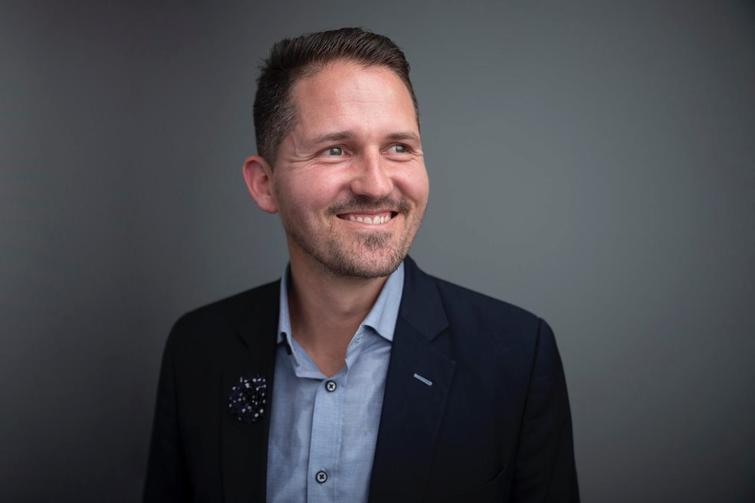
We spoke to Devin Shutte, head of investments of well-known North Coast financial specialists, The Robert Group.
Q: How serious is our financial position?
A: The economy really is in for a rough ride in the short term. This is a worldwide crisis that everyone is grappling with because it is uncharted territory. There is no way to sugar-coat it – the economy could shrink by as much as 10 percent in the next year.
Q: What will that mean to the man in the street?
A: The world won’t stop, but there certainly won’t be growth. What this means is pay cheque uncertainty for all of us. Our incomes are directly related to the health of businesses and their ability to generate money.
Q: What steps should businesses and individuals take to protect themselves?
A: You need to control what you can. The welfare of the economy is out of your control. What you can control is your mindset and your emotions. Jealously guard your mindset. Don’t panic!
Q: Where can I find the best advice? Who should I listen to?
A: There is a lot of information out there. Too much of it is hearsay. Arming yourself with the correct facts is crucial. I would say that you should trust the same sources that you trusted pre-crisis. Treat what you read on social media with a great degree of scepticism. Treat any information there as fake until proven otherwise.
Q: What should I do if I lose my job?
A: The first thing you must do is recognise that you have a cash flow crisis. Sit down and calmly work out how you are going to reduce your expenses. Then take action. This is no time to ignore the problem or be quiet about your situation if you cannot pay your debts.
If you cannot pay, go and talk to your creditors. It is important to make a plan with them, so that you do not go into default and be handed over, because this will affect your future creditworthiness. Talk to your bank. If they haven’t already, they will soon come to the party.
Q: South Africans have never been good at saving. What should they do to change that?
A: It is said that as much as half of the population live from payday to payday. When you have no money, only then do you realise just how important a steady income is. Ideally, you should have enough set aside to be able to look after yourself and our family for two to six months. That is hard to do, but not impossible. What it means is that it is time to examine your lifestyle.
Q: What is the best way to save?
A: The hardest part is to start. Saving money requires discipline. It’s like starting out at gym – at first, it’s hard and it hurts, but if you persevere it gets comfortable. There are three steps to saving:
1. Deal with debt. Remove all bad debt from your life – credit cards, clothing accounts, cable TV and other luxuries.
2. Build an emergency fund. Open a savings account that will earn you good interest and easy access in case of a crisis.
3. Force yourself to put aside a set amount each month. It does not have to be a lot, just the most you can afford. Unit Trusts are an ideal vehicle for building a nest egg. You can save a little each month in your account to put into trusts, then you will be amazed at the power of compound interest over time.
Q: What advice do you have to the established investor who has shares on the JSE?
A: The biggest investment risk is the investor himself. This is not the time to panic. When emotions are running high, the best thing you can do is nothing.
Q: What opportunities are there for investing now?
A: Remember that the JSE has been under-performing the global markets for about five years. The Covid crisis, the oil crisis and the state of global markets means that right now, South African stocks are incredibly cheap. There is a real opportunity to buy into good businesses (such as SA banks).
Q: Give some examples of making the most of opportunities.
A: Companies like Discovery and Bidvest were founded in the early ’90s, when markets were on their heads. Their founders saw opportunities and when the markets came right five years later, they had a head start on everyone else.
People should be brave and open to new ideas. Distance yourself from immediate emotion and believe things are going to get better.
Do you want to receive news alerts from The North Coast Courier via WhatsApp? Send us a WhatsApp message (not an sms) with your name and surname to 061 718 4438.

Stay in the loop with The North Coast Courier on Facebook, X, Instagram & YouTube for the latest news.
Mobile users can join our WhatsApp Broadcast Service here, or if you’re on desktop, scan the QR code below.