

Styling behind closed doors on the North Coast becomes the new normal as desperation grows
According to the Employers Organisation for Hairdressing, Cosmetology and Beauty up to 70 percent of the country's hair and beauty salons, spas and tattoo parlours face closure if their businesses remain under lockdown.
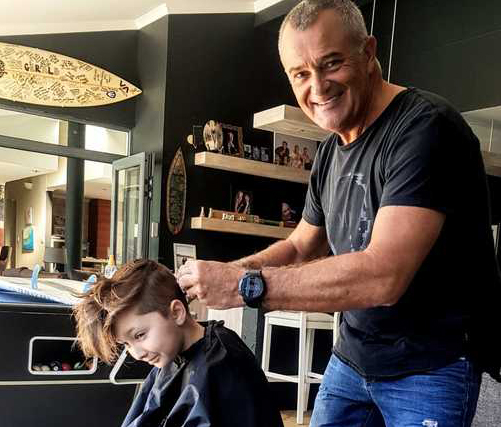
The ongoing restrictions by government preventing the hair and beauty sector from operating has given rise to a growing clandestine beauty trade.
While many people have resorted to attempting DIY trims at home, others have been flouting lockdown to visit barbers operating in secret.
Rendered unemployed by the pandemic, many hair stylists and beauty professionals are increasingly willing to break lockdown regulations and head into client’s homes, often surreptitiously by the back door.

Hundreds of workers in the hair and beauty industry had their hopes dashed when, unlike many businesses across the country, they were not allowed to reopen on June 1.
Hair and beauty salons have been closed since lockdown began on March 27, and are still prohibited from operating under lockdown level 3.
According to the Employers Organisation for Hairdressing, Cosmetology and Beauty up to 70 percent of the country’s hair and beauty salons, spas and tattoo parlours face closure if their businesses remain under lockdown.
One Ballito beauty therapist said she had no choice but to operate illegally if she was to continue paying rent and putting food on the table.
“Shops able to guarantee health security should be allowed to reopen. If the government prevents people from working, the alternative for them will be to turn to illegality,” she said.

“Government has classified the hair and beauty industry as high risk and we do not know when we will be allowed to operate again,” said the therapist who has been in the industry for more than a decade and has been inviting clients to her home for treatment during the lockdown.
A barber from Shaka’s Head said he was more afraid of being arrested or fined for working during lockdown than getting the virus.
“It is not clear when we will be allowed to reopen again. We have families to feed and we are working because we are desperate,” he said.
Another hairdresser said she was forced to cut and colour her existing clients’ hair at home after it became evident that the lockdown would continue indefinitely.
“Government has forced our hand in this. What choice do we have when you have bills to pay and children to feed?”
The sector was dealt a death blow last month after an urgent application calling for the industry to return to work was dismissed by the Western Cape High Court on June 8. The Democratic
Alliance took up the fight to have the ban lifted describing the amended regulations in the Disaster Management Act, particularly those pertaining to the personal care industry, as irrational, unreasonable, and unlawful.
In court papers, the DA argues the prohibition is arbitrary as several other industries, as well as places of worship, have been allowed to reopen.
A full bench of the High Court in Cape Town is set to hear the matter on June 22 after it was postponed last Friday because co-operative governance and traditional affairs (Cogta) minister Nkosazana Dlamini-Zuma failed to file opposing papers.
DA trade and industry shadow minister Dean Macpherson said: “We believe that it is simply unjustifiable that almost every other industry is allowed to operate subject to health protocols except the personal care industry.
The industry is made up of small businesses and employs hundreds of thousands of people across South Africa who are precluded from earning a living.
After more than two two months of lockdown, any continued prohibition would require the most compelling justification. We believe there simply is none.”
Sorbet group CEO Linda Sinclair said any further extensions of the lockdown could see many businesses close.
“It is having a devastating impact on the industry, the salon owners, their employees and dependents. It is therefore imperative that salons be allowed to re-open their doors as soon as possible. For now, we are focusing our efforts on constructive engagements with government and hope that the thousands of South African women and men, who make their living in the industry, will be able to get back to work through a responsible and measured re-opening.”
Sorbet, has 220 salons across SA and employs about 3500 people.
Ballito stylist Gerald Wells, who has been styling hair for over 30 years and running his own salons since 1984 said: “When we do finally reopen our doors, business will definitely not be as usual.
“Social distancing measures mean that salons will at most be able to welcome half the number of clients they previously did unless they lengthen their working days.
Wells said many small salon owners had already closed permanently.
“I do not know a single hairdresser who has received any of the small-business loans, grants or business relief during the shutdown despite the sector being one of the hardest hit by the lockdown,” he said.
Download The North Coast Courier mobile app, now available free from the Apple iStore and on Google Play, for IOS and Android phones.

Stay in the loop with The North Coast Courier on Facebook, X, Instagram & YouTube for the latest news.
Mobile users can join our WhatsApp Broadcast Service here, or if you’re on desktop, scan the QR code below.