

Don’t overlook your cabin filter, it could be making you sick
Safely tucked behind locked doors, are we really that immune to disease and airborne contaminants?
You wear a mask while shopping all afternoon, perspiring into what seems like a face-mounted sauna and you are eager to get to your car and rip it off for some fresh air.
Safely tucked behind locked doors, are we really that immune to disease and airborne contaminants?
Cars typically have fluid seals around doors, windows, and other orifices to keep the elements at bay from inside the cabin, and all vehicles have a ventilation ‘recirculation’ switch to bring in fresh air from the outside.
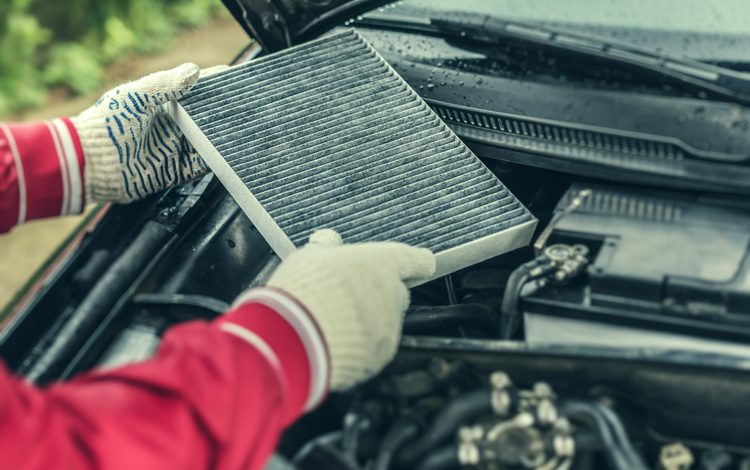
However, all cars have a filter through which air must pass through before entering your cabin, known as a pollen or cabin filter, which is often overlooked by most owners.
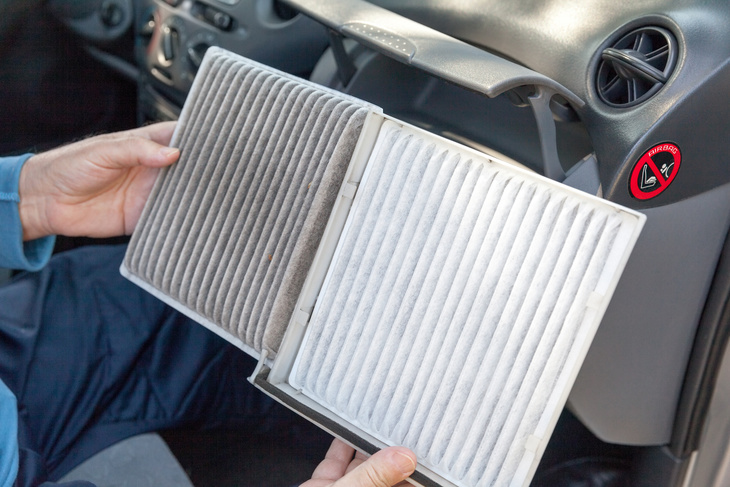
Typically a major service item on luxury vehicles, the cabin filter is a small multi-layered fabric or paper filter which traps dirt, exhaust gases, unpleasant odours and debris before it gets blown through the air vents, and accumulates a build up over time.
In some economy cars, the filter is changed at less frequent intervals to keep service costs low unbeknown to the owner and can often remain in place for years before replaced.
Anil Dhaver of Reece’s Auto in Ballito says that not dissimilar to wearing a cloth face mask to prevent Covid-19 infection, a pollen filter offers little to no protection from any microscopic airborne virus sucked up by a vehicle, although some modern brands offer anti-allergen and anti-bacterial properties in their filters which claim to prevent ingestion of most airborne particles that cause allergies or eye-irritation.
“I recently changed a cabin filter on a school bus that had not been changed for three years,” said Dhaver.
“The filter had been clogged with dirt and bacteria that every school child was effectively breathing in during this period of time.”
To make matters worse, cabin filters can often become damp with no ability to dry out, leaving motorists with a musty, mouldy odour when the ventilation is turned on.
If this is something you have experienced with your vehicle, it’s likely time to change the filter.
According to Dhaver, other symptoms of a failing cabin filter are poor performance from the cooling and fan system, dirt being blown through the air vents and sometimes allergies experienced while driving due to a damp filter hosting a breeding ground for other airborne irritants.
Most filters are stocked by automotive parts merchants or from your local dealer, and are relatively easy to replace as a DIY job on the weekend.

Stay in the loop with The North Coast Courier on Facebook, X, Instagram & YouTube for the latest news.
Mobile users can join our WhatsApp Broadcast Service here, or if you’re on desktop, scan the QR code below.