

Take back control now and build your mental resilience
If you lack resilience, you may find yourself dwelling on problems, feeling victimised, becoming overwhelmed or turning to unhealthy coping mechanisms such as addiction.
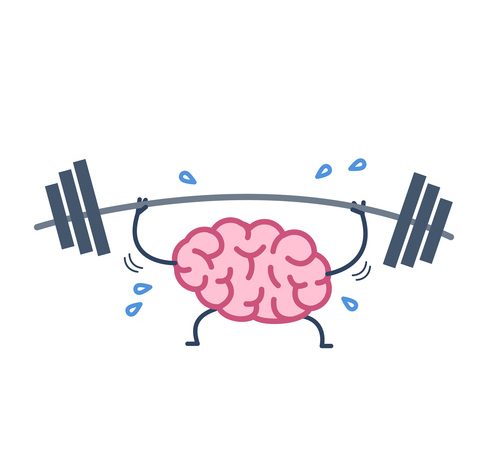
When something goes wrong, do you tend to bounce back or fall apart?

Mental or emotional resilience is the ability to harness inner strength and build skills that help you rebound from setbacks, disappointments and obstacles.
If you lack resilience, you may find yourself dwelling on problems, feeling victimised, becoming overwhelmed or turning to unhealthy coping mechanisms such as addiction.
Resilience won’t make your problems go away, but it can give you the ability to see past them, find enjoyment in life and better handle stress.

6 tips for building resilience
1. Be kind to yourself (and others)
Allow yourself to acknowledge, feel and process your feelings, no matter how negative or uncomfortable.
Research shows that avoidance of negative emotions will only make them stronger and longer-lasting.
Take care of yourself by scheduling self-care into each day.
This includes finding activities and hobbies you enjoy (creative pursuits can be particularly helpful).
Exercise, get plenty of sleep, and practice relaxation techniques such as yoga, meditation, guided imagery, deep breathing or prayer.
2. Express your feelings
Notice any negative emotions, thoughts and physical sensations as they arise.
Approach them with curiosity, describe them without judgment, and then let them go.
This is the essence of mindfulness.
Write your feelings down in a journal or letter (you don’t have to send it to anyone!), talk to a friend, or reach out to a wellness coach, therapist or counsellor.
3. Choose your responses
Accepting and even anticipating change makes it easier to adapt and view new challenges with less anxiety.
Distinguish between what you can and cannot control.
You may not be able to control what happens to you, but you can control your attitude to whatever arises.
4. Remain realistic
Is it realistic to think you can do it all?
You may think that you can nail working from home while home schooling, maintaining a perfect household, sticking to your daily meal plans and workouts, and trying to keep the fun in your relationships in the face of social restrictions.
But putting too much pressure on yourself to do it all, all at once is not healthy.
Instead, try prioritising one or two things, and let the others slide a little.
5. Make meaning
Feeling as if you have a purpose each day is a sure-fire way to increase resilience.
After you have done what you need to do, take some time to enrich your life by learning something new.
Or think of ways to help others in your neighbourhood.
Volunteering your time and skills is another way to find meaning and purpose in your life.
6. Supplement to support mental resilience
• The herbal adaptogens ashwagandha and rhodiola may aid the body and mind in coping with short and long-term physical or mental stress.
They reportedly help boost immunity and overall well-being, combat fatigue, enhance mental performance and ease depression and anxiety.
• 5HTP or St John’s Wort is commonly used to elevate mood, reduce panic attacks, and alleviate anxiety and emotional stress.
• B vitamin complexes can help support the adrenal glands, balance and stabilise mood, and calm the nervous system.
• L-theanine is used to promote relaxation and relief from anxiety.
• Valerian root may induce calm and reduce nervous tension.
• Magnesium glycinate can improve mood and promote sound sleep.
If you are taking prescription medication, be sure to contact your healthcare practitioner to check for contraindications before taking any of these supplements.
Nikki Temkin is a functional health and wellness coach. Follow her @nikkitemkinwellnesscoach

Stay in the loop with The North Coast Courier on Facebook, X, Instagram & YouTube for the latest news.
Mobile users can join our WhatsApp Broadcast Service here, or if you’re on desktop, scan the QR code below.