

Highly invasive vine may have met its match as beetles come to feast at Waterberry, Ballito
Dolphin Coast Conservancy chairperson Di Jones said that while bio-control was not new it was not widely used, despite being cost-effective and safe compared to herbicidal and mechanical operations.
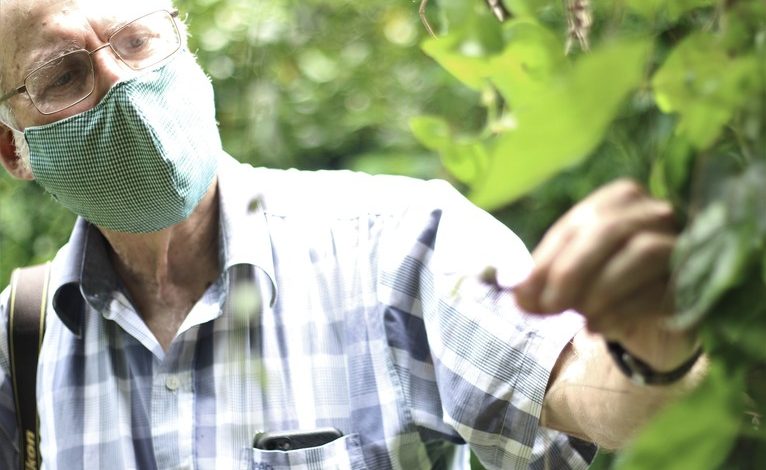
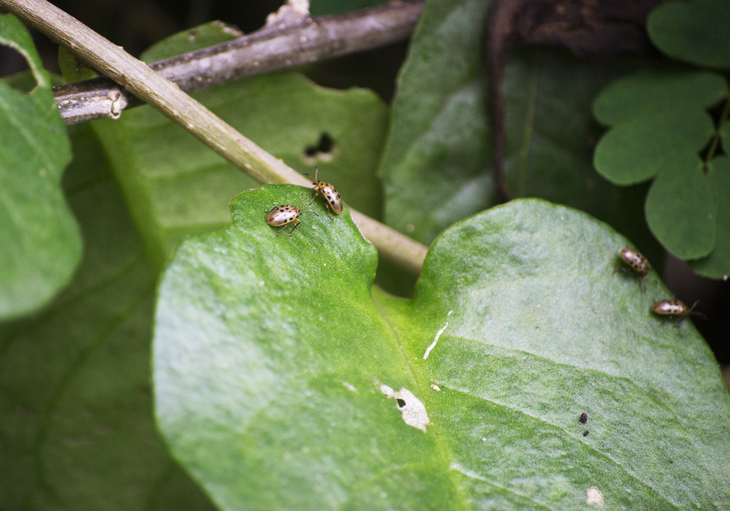
A tiny beetle, smaller than a shirt button, is hopefully the answer to the dreaded Madeira Vine that is suffocating many subtropical coastal forests.

Thousands of leaf-beetles (Plectonycha Correntina) from South America were released into the iconic Waterberry swamp forest on Compensation Beach Road, Balllito, this week to combat this highly invasive vine.
Biological control is where host-specific plant-feeding insects, mites or pathogens (the plant’s own enemies) are brought from their home country and released into a new country where the plants have become a problem, in this case South Africa.
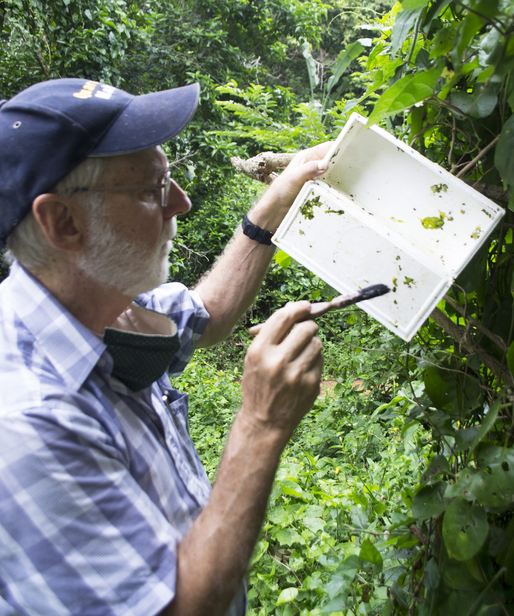
Ballito entomologist Graeme Leslie said invasive plants can outcompete the native flora and so interfere with the food web.
“They may not have any natural enemies in their new location and can be resistant to local disease so they tend to spread aggressively, which threatens biodiversity.”
Insects have been used in biological control since the 19th century.
“Other control methods, such as the use of herbicides require continued reapplication and are not always specific and effective. Bio-control agents, can supplement herbicides and once established are self-sustaining and do not have to be reapplied.”
He said bio-control was used when the infestation was large and dense or if it occurred in a sensitive habitat.
The leaf-beetle is the Madeira Vine’s natural enemy.
It was imported by the Agricultural Research Council (ARC) and kept in quarantine facilities where extensive safety testing was done.
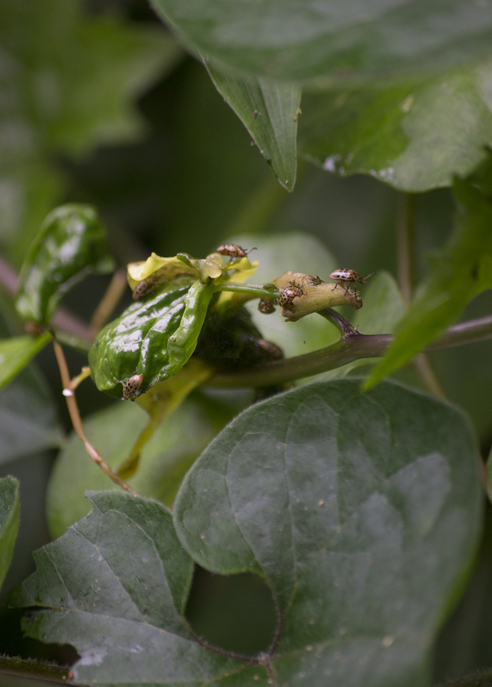
The batches of beetles released this week were donated by ARC to the Dolphin Coast Conservancy.
“The beetle is host specific to only the Madeira Vine, where the adult and larvae feed extensively on the leaves and new growth of the vine. The beetle cannot survive on species of plant other than the target weed, and once their host plant is not available it will die,” said Leslie.
According to ARC the Madeira Vine is a declared Category 1 alien weed in South Africa and must be controlled or eradicated where possible.
It is fairly widespread in the country and has also spread to Lesotho.
“The Madeira Vine is fast growing, smothering trees and other vegetation it grows on and can easily break branches and bring down entire trees on its own. Along the stem you will notice wart-like nodes which spread this plant underground,” said Leslie.
Dolphin Coast Conservancy chairperson Di Jones said that while bio-control was not new it was not widely used, despite being cost-effective and safe compared to herbicidal and mechanical operations.
“It takes longer than spraying with a herbicide, however bio-control is definitely the most environmentally-friendly method and one which we support for any area for an endangered eco system, such as swamp forests, which is where the bugs were used.”
The potential of this tiny midge, which is less than 5mm long, holds much promise. After all, dynamite comes in small packages.

Stay in the loop with The North Coast Courier on Facebook, X, Instagram & YouTube for the latest news.
Mobile users can join our WhatsApp Broadcast Service here, or if you’re on desktop, scan the QR code below.