

Alberlito nurse says they may lose sleep, but never resolve
The Courier sat down with Tongaat resident, Nicole Pillay, a registered nurse in the surgical ward at Netcare Alberlito Hospital in Ballito to hear about her experience during the coronavirus pandemic first-hand.
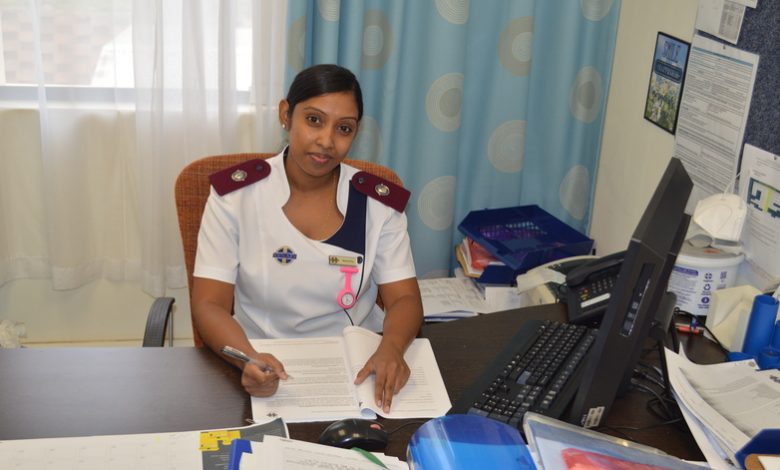
The coronavirus pandemic has been the defining global event for a generation worldwide, but few have felt its effects more acutely than healthcare workers.

The Courier sat down with Tongaat resident, Nicole Pillay, a registered nurse in the surgical ward at Netcare Alberlito Hospital in Ballito to hear about the experience first-hand.
Pillay (30) has spent her whole career in the healthcare industry, working her way up from ward administrator, to staff nurse until becoming a registered nurse in 2018.

Her experience stood her in good stead as Covid-19 spread across our community, but no-one could have prepared for the sheer number of cases that would develop in the coming year.
“We all knew that the virus was eventually going to hit our country so we prepared as best we could and managed quite well in the first wave,” she said.
Pillay was personally impacted when she caught the virus in June 2020.
“It was obviously a very anxious time for me and my family because I was so aware of the real toll that Covid could have after seeing it first hand in the hospital.”
Pillay self-isolated and had to deal with the situation alone, unsure of what it might bring for her.
“We are a very close-knit family and we always deal with big things together. It was a real change having to go through something alone even though my symptoms did only turn out to be mild.”
A personal experience with the virus engendered another level of empathy for the many new patients that came through the hospital door when the second wave hit.
“We were seeing a huge amount of patients from mid-November until January and we had to convert the day ward and surgical ward to ensure there were enough beds for Covid patients,” she said.
Although there were positive cases among the hospital staff, normal working hours were observed but the days instantly became much busier for the staff who were on call.
The death rate steadily grew as well and Pillay recalls often feeling down, but never losing the resolve needed to deliver a high standard of care.
“Obviously it does weigh on you even if you are used to working in those kinds of situations. We genuinely appreciated the outpouring of support that came from our community which often served as a pick me up when most needed.”
Cases finally started to decline by the end of January and wards were converted back to their original purposes.
This does not mean South Africa is over the worst, however, and it is still worth being observant with safety protocols until community transmissions hit zero, she cautioned.
“We have seen what this virus can do to people and families. I promise it is easier for everyone involved to just take the necessary precautions.

Stay in the loop with The North Coast Courier on Facebook, X, Instagram & YouTube for the latest news.
Mobile users can join our WhatsApp Broadcast Service here, or if you’re on desktop, scan the QR code below.