Snake bite 101 – what to do if your dog is bitten
Snakes do not intentionally seek out our pets, but due to the instinctive nature of them both, incidents do occur and the best thing that we can do is be prepared and not panic.
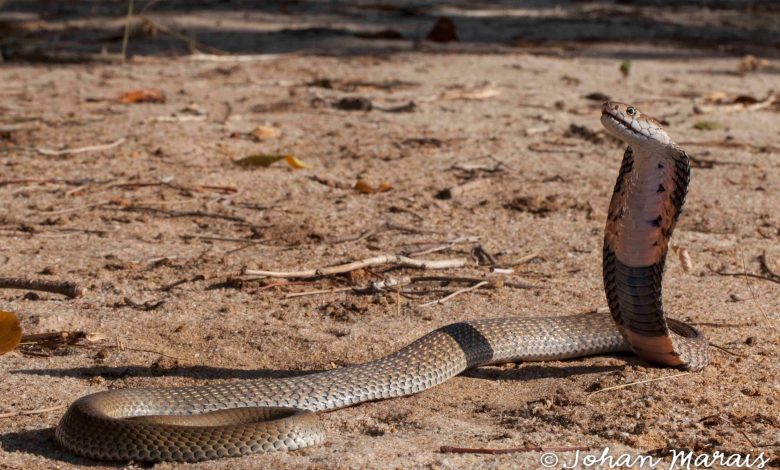
Snakes and dogs together can give a new meaning to the phrase “sticking your nose where it doesn’t belong”.
Our canine companions are inquisitive creatures and while some may show a natural avoidance of things that hiss, unfortunately not all do.
Snakes do not intentionally seek out our pets, but due to the instinctive nature of them both, incidents do occur and the best thing that we can do is be prepared and not panic.
Well known herpetologist, Johan Marais of the African Snakebite Institute, said the faster you can get your animal to a vet the greater its chance of survival.

What will not help is buying into popular myths that are meaningless in saving your animal, such as:
• Forcing milk down the animal’s throat.
• Feeding it charcoal.
• Giving the animal Allergex tablets.
• Cutting the tip of the animal’s ear to let the venom ‘bleed out’.
• Injecting a horse or cow with petrol to ‘naturalise’ snake venom.
Marais said the bite from a neurotoxic snake (mambas and some cobras) may cause respiratory paralysis and threaten the animal’s life.
The animal may die without antivenom and/or assisted ventilation.
Should the animal stop breathing on the way to a veterinarian, you may try mouth-to-nose resuscitation, said Marais.
These animals will probably need antivenom and will likely be placed on a ventilator to help them breathe while the antivenom takes effect.
Bites from snakes with cytotoxic venom – such as adders and spitting cobras – result in pain, swelling and blistering which may lead to tissue damage. Small animals may suffer severe blood loss in addition to tissue damage.
In cases where dogs are bitten in the face and throat region the swelling may also inhibit breathing.
Animals that are severely envenomated may die as a result of hypovolemic shock and/or tissue necrosis and cell death.
In cases of severe envenomation, antivenom is the only solution and anything from 2 to 6 (or more) vials of polyvalent antivenom.
For venom in the eyes Marais suggested immediately washing the animal’s eyes with water by getting it under a tap or use a hose pipe.
Gently rinse the eyes for about 15-20 minutes and then get the animal to a vet. A bit of local anaesthetic and some antibiotic cream usually do the trick and the animal should be fine within a few days.

Stay in the loop with The North Coast Courier on Facebook, X, Instagram & YouTube for the latest news.
Mobile users can join our WhatsApp Broadcast Service here, or if you’re on desktop, scan the QR code below.