

North Coast teens turn to vapes
While many young "vapers" said they inhale flavoured liquids like mango, watermelon and mint, a large number admitted to also vaporising cannabis - either the ground plant itself, waxes or THC and CBD oils.
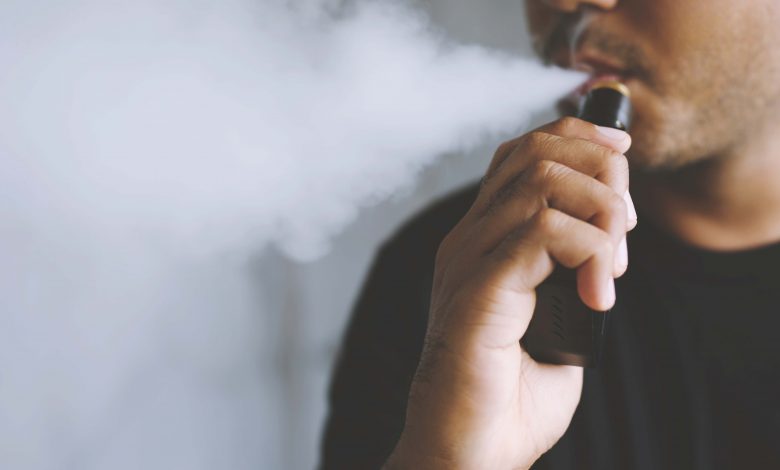
North Coast teenagers are taking to ‘vaping’ in growing numbers because it is easier to hide their smoking from their parents.
Some are also using the electronic cigarettes to inhale dagga and other mind-altering drugs.
Experts are sounding the alarm and advise that parents need to be at the forefront of telling their kids about the dangers.
Umhlali based non-profit organisation, Against Drugs and Child Abuse (ADCA) founder Rex Hunt said more young people were vaping both nicotine and marijuana, warning of the addiction dangers.
“Stronger doses of nicotine are delivered more quickly to the bloodstream with vaping devices than by smoking cigarettes. In just a few years, vaping has quickly surged to the second-most-popular method of consuming marijuana behind smoking,” Hunt said.

A recently published study by JAMA Pediatrics, an American medical journal confirmed that about 1 in 5 American high school pupils vape.
Increasingly, marijuana ingredients are found in vaping products, including THC – the psychoactive compound in marijuana that creates a sense of being high – the leaf form of marijuana, and CBD.
Vapes are also used to inhale other substances.
Despite the dangers many teens naively believe it is a safe activity.
Salt Rock clinical psychologist, Kerry Roberts said that habitual vaping and smoking cannabis was common among adolescents.
“Most adolescents have no idea of the risk associated with, in particular, cannabis use. At best, cannabis use or “weed” results in decreased motivation, concentration, memory difficulties as well as increased anxiety and depression. At worst, it can trigger a psychotic episode (paranoia, disturbed speech, auditory hallucinations or “hearing voices”) that will require admission to hospital for treatment.
“Smoking cannabis is especially harmful in adolescence because the brain is still developing and the impact of introducing a substance into this development can have long lasting negative emotional and intellectual effects on the adult brain.”
Teens who spoke to the Courier on condition of anonymity said vaping was easier to hide from parents than smoking, as it did not leave clothes and hands smelling like smoke and vapes were designed to be discreet, looking like USB drives, markers, watches or pens.
They listed their top reasons for nicotine vaping as flavour, experimentation, social reasons, and simply “to feel good.”
While many young “vapers” said they inhale flavoured liquids like mango, watermelon and mint, a large number admitted to also vaporising cannabis – either the ground plant itself, waxes or THC and CBD oils.
Selling equipment to vape marijuana in its leaf, dab or oil form is a booming business with some teens claiming you can buy “under the counter” supplies from kids selling to kids.
A Salt Rock father of 2 teenagers warned that not all teenagers know what is in the products they are vaping.
“Recently a group of 14-year-olds unknowingly vaped a juice bought from local dealers, thinking it was just a flavouring, but it caused intense intoxication and dissociation from reality.
“They may think they are having a harmless vape from a friend’s e-cigarette while unknowingly taking a dangerous and mind-altering drug. Most of the vape products containing these drugs are sold as CBD, but one called ‘Skellies’, is sold simply as vape juice or flavouring for e-cigarettes, and there is no way of knowing it contains a potent and dangerous drug without lab testing,” he said.
Smokefree Teen, the National Cancer Institute’s (NCI) initiative, said nicotine levels in e-cigarettes often match or surpass traditional cigarettes, with one “Juulpod” delivering just as much nicotine as a pack of cigarettes.
Hunt said a program had been designed at ADCA to empower young adults between the ages of 15 to 22 to “reboot” their lives and would be run in a group setting from June.
Some of the coaching topics covered include comprehending the risks and side effects of substances, feeling and dealing with emotions and building emotional intelligence (EQ).
For more information contact Rex Hunt via WhatsApp at 082 555 4492 or email rex@adca.co.za.

Stay in the loop with The North Coast Courier on Facebook, X, Instagram & YouTube for the latest news.
Mobile users can join our WhatsApp Broadcast Service here, or if you’re on desktop, scan the QR code below.