

Seconds count in preventing drowning [Watch]
Most people who get into trouble in a rip current start to panic and then begin swallowing water, which increases their chances of drowning.
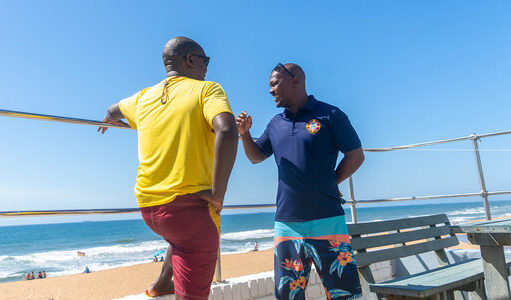
KwaDukuza lifeguards had a very successful festive season as there were no drownings and only one near drowning.
Lifeguard superintendent Bongani Xulu commended his team for an excellent job.
“We had a very good season, taking into consideration that we had more people, coming from the Durban side,” said Xulu.
He said while beaches are undeniably beautiful, attracting thousands of holidaymakers each year, with fun-filled beach activities, it was always advisable to keep possible danger in mind when swimming, especially rip currents.
Xulu said the most important thing to remember when caught in a rip, was to not panic.
“Where there are rocks there are always rip currents, so avoid swimming near the rocks.
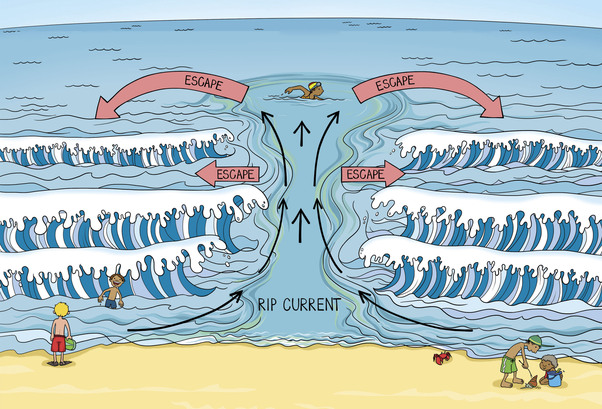
“A rip current will only take you out to the backline behind the waves. One just needs to relax and go with the flow. Rip currents will not pull you under, so as long as you can tread water or float, you will be okay.
“Swim parallel to the current or the shore until you can escape the current and head back to the beach. Stay calm and wave your arm so the lifeguards can see you need assistance,” said Xulu.
He said most people who get into trouble in a rip current start to panic and then begin swallowing water, which increases their chances of drowning.
Before you go into the water, talk to the lifeguards on duty and ask them where the rip currents are and where the safest place to swim is.
Lifeguards will be on duty from 6am to 6pm and people are advised to always swim only where lifeguards are present.
7 Ocean safety tips:
1. Check the weather and tides before you visit the beach. If the sea is rough, you could be swept away, so rather avoid turbulent conditions.
2. Before entering the sea, take time to watch the waves and avoid areas where there is a strong backwash (rip current) or a danger of being washed onto the rocks.
3. Only swim in designated areas that are supervised by lifeguards. Look out for warning signs and flags – a red flag means it is dangerous to swim. A red and yellow flag means lifeguards are on duty. If the lifeguards give you directions or instructions from the beach, obey them.
4. Never swim while you are intoxicated. Alcohol impairs judgement and unnecessary risks are taken. An intoxicated swimmer will tire more easily, increasing the chance of drowning.
5. Do not dive in without first checking the depth of the water or tidal pool.
6. Do not swim in river mouths, in dirty water, very early in the mornings, early evenings or after it has rained, as shark activity increases in these conditions.
7. Never leave a child unattended near water and never make a child responsible for another child – not even for five minutes. Teach children to always ask permission to go near water. If a child is missing, check the water first. Seconds count in preventing drowning.
Follow The North Coast Courier on Facebook, Twitter, Instagram & YouTube for breaking news
Telegram Broadcast Service: https://t.me/joinchat/yJULuN8NaCs5OGM0
WhatsApp Broadcast Service: Add The Courier to WhatsApp at 082 792 9405 and WhatsApp your name and surname to be added.

Stay in the loop with The North Coast Courier on Facebook, X, Instagram & YouTube for the latest news.
Mobile users can join our WhatsApp Broadcast Service here, or if you’re on desktop, scan the QR code below.