

The continuing role of midwives in modern times
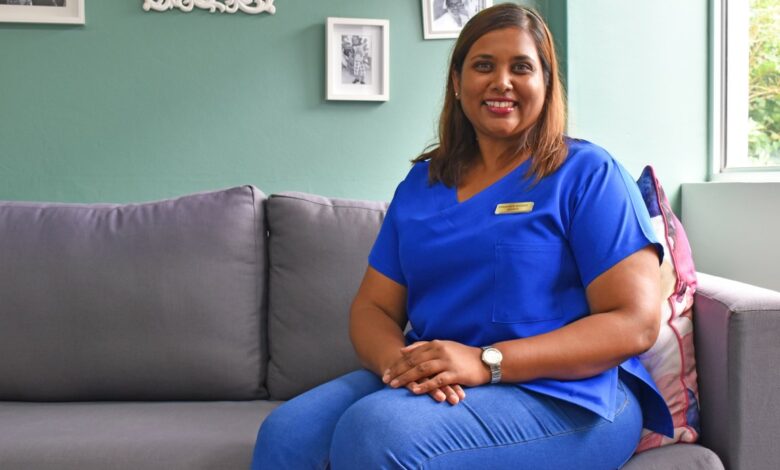
For Verulam midwife Evashnee Naidoo, who assists women from Durban through to Ballito, the knowledge that she is able to make such a huge impact on mothers and infants is what keeps her motivated.
From humble beginnings in the Paleolithic era some 40 000 years ago, to today helping women navigate the overmedicalisation of pregnancy, midwives help ensure babies come into this world with a fighting chance.
According to the World Health Organisation, when midwives are educated to international standards, their participation in the pregnancy, birth and post-birth journey could avert more than 80% of all maternal deaths, stillbirths and neonatal deaths.
Achieving this impact also requires that midwives are licensed, regulated, fully integrated into health systems and working in inter-professional teams.
For Verulam resident and midwife Evashnee Naidoo, who assists women from Durban through to Ballito, the knowledge that she is able to make such a huge impact on mothers and infants is what keeps her motivated.
Naidoo has been working as a midwife for close to 15 years and obtained her diploma in general nursing, psychiatry and midwifery at the KwaZulu-Natal College of Nursing in 2008.
“Pregnancy is a huge thing, but you are more than your pregnant belly,” said Naidoo, who provides pregnant women with the emotional, psychological, physical and spiritual support they need to successfully make it to term.
What many people fail to realise about birth is that it’s not at all like in the movies, where a woman’s water breaks and five minutes later she’s handed a baby neatly wrapped and washed.
“Many women feel they lose their independence during pregnancy while their body and mind goes through all those changes,” she said.
The role of a midwife is also to help prepare mothers-to-be and their partners for what to expect during and after pregnancy.
Women who have midwives often need fewer interventions during labour and delivery, and that includes a lower risk of needing a cesarean section (C-section).
Naidoo said natural birth had several benefits, both for the mother and her newborn.
Natural birth also ensures improved seeding, which refers to the transfer of microbes from mother to baby.
This is a process which starts at birth when microbes colonise the baby’s entire body. Influencing factors for which microbes seed a baby include the route of birth, medical intervention and medicine.
C-section born babies do not inherit the rich blend of beneficial microbes which may help protect against disorders such as asthma and allergies, and even type 1 diabetes and gut-related conditions.
A midwife also prepares an expecting mother for homebirth, should she opt for it.
Follow The North Coast Courier on Facebook, Twitter, Instagram & YouTube for breaking news
Telegram Broadcast Service: https://t.me/joinchat/yJULuN8NaCs5OGM0
WhatsApp Broadcast Service: Add The Courier to WhatsApp at 082 792 9405 and WhatsApp your name and surname to be added.

Stay in the loop with The North Coast Courier on Facebook, X, Instagram & YouTube for the latest news.
Mobile users can join our WhatsApp Broadcast Service here, or if you’re on desktop, scan the QR code below.