Autism – what people need to know
A neurodevelopmental disorder, autism simply means a person's brain is wired differently, and that they perceive sensory information differently to neurotypical people.
Autism Spectrum Disorder (ASD), estimated to affect 2% of the South African population, refers to a broad range of conditions characterised by challenges with social skills, repetitive behaviour, speech and non-verbal communication.
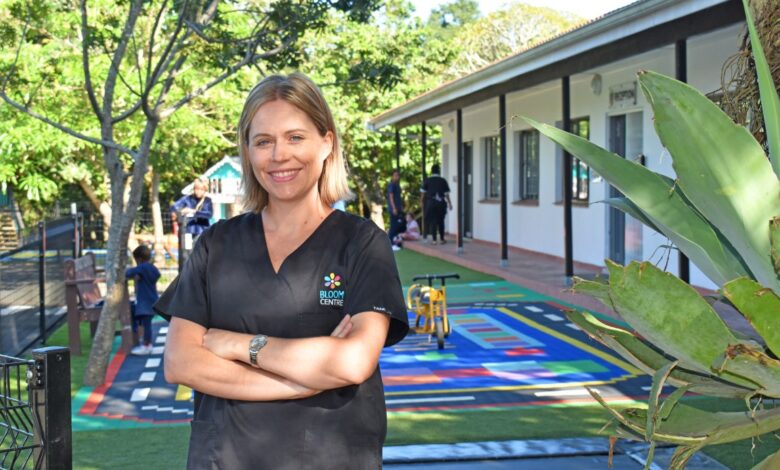
Umhlali-based Bloom Centre’s head of occupation therapy, Tamara Pasquali, said more education was needed to promote better understanding of people living with autism.
“Just because someone’s brain has, or is developing differently to a neurotypical person, does not mean they need to fit into a neurotypical world,” Pasquali said.
She pointed out that autism may be genetic, but could be the result of a gene variation stemming from either a sperm or egg cell or a fertilised egg mutating.
“If this happens with the genes associated with autism, then your child is at risk of developing ASD,” she said.
Other risk factors include complications during pregnancy or birth, but it could also develop as a result of exposure to environmental factors such as prenatal or early childhood exposure to certain pesticides or heavy metals.
Pasquali emphasised that ASD is also not a behavioural disorder as some people are led to believe, despite it having such symptoms.
ASD children may at times have what is called a meltdown, often being perceived by other parents as bad behaviour. But a meltdown is actually an intense response to overwhelming circumstances where a child has difficulty in expressing themselves when they feel overly anxious.
For children living with ASD, this is an involuntary response.
While ASD does differ from child to child, common tips for parents to remember include:
• Provide structure and predictability. Structure provides a sense of safety, while predictability allows a child to assess a situation effectively.
• Prioritise communication. Remember that ASD people struggle to communicate, so keep body language and tone in mind, especially within the context of the situation.
• Empowerment in choice – teach your child, as you would any child, that each action has a consequence.
For parents looking to prepare their ASD children for school, Pasquali said support was key.
“Parents cannot walk this journey alone. Get a good support system in place and be sure to have a good neurologist or psychiatrist, occupational therapist, speech therapist and play therapist to guide you and your child,” she said.
She urged parents to also share a child’s diagnosis with teachers.
“There is no shame in having a child on the spectrum. If people know your child’s diagnosis, they can better understand their needs.”
Regardless of the school, whether special needs or not, Pasquali said it was vital to integrate neurodiverse and neurotypical children to allow for a better future, one guied by understanding.
Follow The North Coast Courier on Facebook, Twitter, Instagram & YouTube for breaking news
Telegram Broadcast Service: https://t.me/joinchat/yJULuN8NaCs5OGM0
WhatsApp Broadcast Service: Add The Courier to WhatsApp at 082 792 9405 and WhatsApp your name and surname to be added.

Stay in the loop with The North Coast Courier on Facebook, X, Instagram & YouTube for the latest news.
Mobile users can join our WhatsApp Broadcast Service here, or if you’re on desktop, scan the QR code below.