

E. coli and acid water found in La Mercy Lagoon
All three water samples tested positive for faecal coliform bacteria, a subgroup of total coliform bacteria associated with human or animal faeces, as well as E. coli, a subgroup of the faecal coliform group.
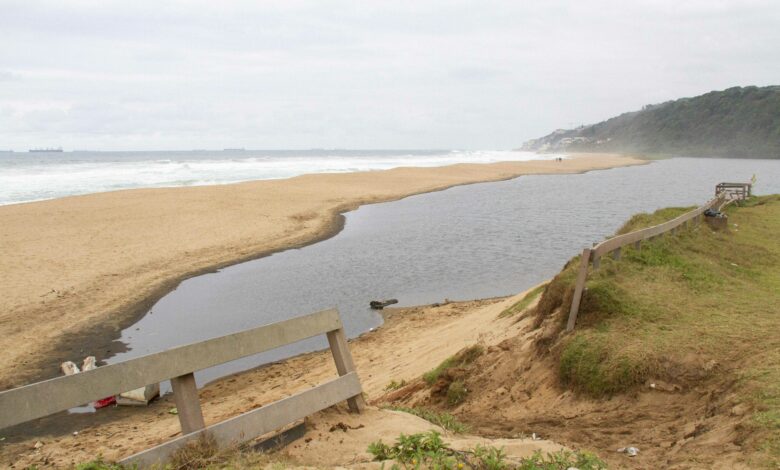
Like a malignant tumour, municipal neglect and decay are systematically wreaking havoc on the sought-after public water sports and recreational hub that is the Umdloti River mouth lagoon, commonly known as the La Mercy Recreational Area.
In addition, recent water testing done by WaterCAN, an initiative of the Organisation Undoing Tax Abuse (OUTA), has also confirmed the presence of Escherichia coli (E. coli) and an acidic pH of 9.
During WaterCAN’s second annual water testing week from September 17-24, KZN representative Jonathan Erasmus took water samples at the La Mercy Recreational Area and the Umbilo and Umgeni rivers.
All three water samples tested positive for faecal coliform bacteria, a subgroup of total coliform bacteria associated with human or animal faeces, as well as E. coli, a subgroup of the faecal coliform group.
Although most types of E. coli are harmless, some strains such as E. coli O157:H7 can cause severe stomach cramps, vomiting and bloody diarrhoea, especially in people with weakened immune systems, children and the elderly.
Erasmus said water that is acidic can be dangerous to swim in and will kill aquatic animals and plants. Drinking water has a pH of between 7.8 and 8.4 and can, according to Erasmus, be affected by industrial waste – such as from factories upstream in Verulam – agricultural runoff, mining operations and sewage.
Although there has been a big sewage leak at the lagoon for at least six months, Erasmus believes the main source of E. coli in the lagoon to be the eThekwini Verulam Wastewater Plant about 5km upstream that has reportedly been releasing dark and foul-smelling effluent into the Umdloti River for an extended period.
Nine privately funded water tests done at regular intervals at the nearby Mount Moreland bridge since February this year has consistently shown critical E. coli levels with an average count of 10 855 parts per 100 millilitres. More than 400 count per 100 millilitres is considered critical.
“Water testing is our first step in holding polluters accountable and combatting water pollution,” said WaterCAN executive manager, Dr Ferrial Adam.
The organisation’s mission is to achieve a comprehensive overview of water quality across the country to prevent further deterioration and ensure long-term sustainability.
To that end, WaterCAN will soon launch a survey asking communities who live along polluted rivers, like the Umdloti River, to share their witness stories of how the pollution has impacted their lives.
Follow The North Coast Courier on Facebook, Twitter, Instagram & YouTube for breaking news
Telegram Broadcast Service: https://t.me/joinchat/yJULuN8NaCs5OGM0

Stay in the loop with The North Coast Courier on Facebook, X, Instagram & YouTube for the latest news.
Mobile users can join our WhatsApp Broadcast Service here, or if you’re on desktop, scan the QR code below.