

North Coast census data unpacked
It is not a perfect document, but it is still the widest pool of data that the country gathers and can show positive or negative trends when compared to the 1996, 2001 and 2011 census results.
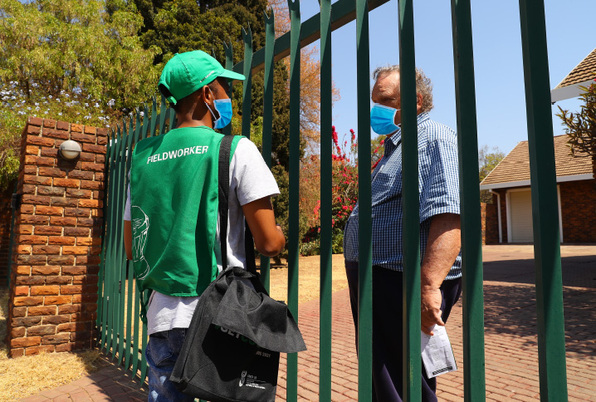
The highly anticipated results from South Africa’s fourth post-apartheid national census were released last week and provide a largely positive outlook on local progress.
Statistics suggest residents of the iLembe District have seen improvement in almost all major quality of life indices since Stats SA last compiled countrywide data in 2011.
Formal housing, access to education, electricity, piped water, sewerage and sewage collection services have all seen positive changes in the past decade or so
Of course, the census only measures access to services and does not take into account actual service delivery, but it is clear that infrastructure is now spread further than ever before.
And although the metrics have improved, it does not mean that the numbers look good in isolation.
Less than 45% of iLembe’s 782 661 residents have a flush toilet connected to a sewerage system, while only 41.2% see water piped directly into their homes.
Electricity has seen better results, with 97.7% of residents reporting they had electricity for lighting.
In terms of education, residents reporting no formal schooling dropped from 15.4% to 10.8% in 2022, while 8.1% have received some form of higher education (up from 5.8%).
These numbers only take into account residents aged 20 or over at the time of the census. It is also worth clarifying how the census data was compiled.
Between February 3 and 28, 2022, government body Stats SA collected data from across the country in person, via telephone interviews and through digital forms.
It was the first time that digital data collection took place, which would theoretically reach a wider range of the population.
But it is not an exhaustive process by any means and an informal survey of 15 people in the Courier offices showed that only 5 had responded to the census.
So it is not a perfect document, but it is still the widest pool of data that the country gathers and can show positive or negative trends when compared to the 1996, 2001 and 2011 results.
In terms of population, iLembe grew by almost 176 000 between 2011 and 2022, and it is the sixth largest district municipality in KwaZulu-Natal (KZN).
KwaDukuza remains the largest of iLembe’s constituent municipalities with a population of 324 912, followed by Mandeni (180 939), Ndwedwe (165 826) and Maphumulo (110 983).
iLembe is 52.6% female, with 64.8% of residents of ‘working age’, which is listed as between 15 and 64.
There are no unemployment statistics at the district level, but the most recent government data released in August showed national unemployment of around 33%.
KZN remains the second largest province in South Africa behind Gauteng, contributing almost 12.5 million of the country’s 62 million residents.
That is an increase of 10.3 million people nationally since 2011 and 21.4 million since the first democratic census in 1996.
To find the census data in full, visit census.statssa.gov.za.
Follow The North Coast Courier on Facebook, Twitter, Instagram & YouTube for breaking news
Telegram Broadcast Service: https://t.me/joinchat/yJULuN8NaCs5OGM0

Stay in the loop with The North Coast Courier on Facebook, X, Instagram & YouTube for the latest news.
Mobile users can join our WhatsApp Broadcast Service here, or if you’re on desktop, scan the QR code below.