
Hanging out with bats to help protect them
The ecosystem would be significantly altered without them, but populations are declining owing to human impact.
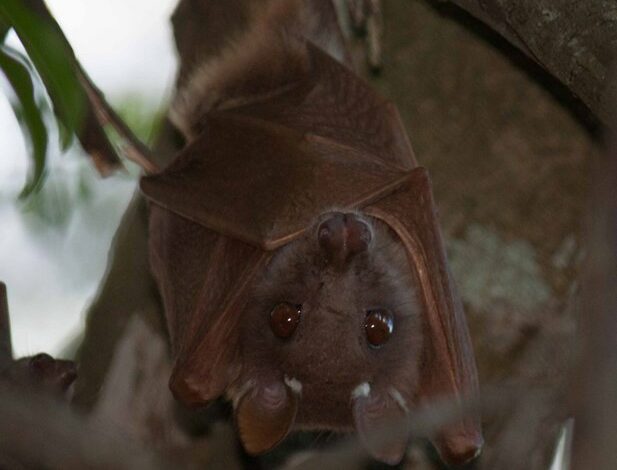
Bat populations are under pressure and need human intervention.
This also the case on the North Coast, and the Bat Interest Group of KwaZulu-Natal is looking for more local volunteers to help with the rescue and rehabilitation of these valuable mammals.
Founded in 1994 by Dr Peter Taylor, Bats KZN is run entirely by volunteers and funded by subscriptions and donations from the public.
The group aims to conserve bat populations through education, research and rehabilitation.
Committee member Kirsten Steytler said the organisation currently has 13 volunteers with Ezemvelo KZN Wildlife permits to conduct bat rehabilitation. Six are also permitted to care for sanctuary bats.
Only two rehabilitators are stationed on the North Coast, numbers the organisation hopes to expand, especially to boost the “ambulance group”.
“Volunteers are not permitted to undertake rehabilitation but have been trained by us to assist with the rescue, collection and transportation of injured or orphaned bats to either a rehabilitator or a veterinarian,” said Steytler.
Bats are crucial to the ecosystem, but their significance often goes unnoticed because of their small size and nocturnal habits.
The ecosystem would be significantly altered without them, but populations are declining owing to human impact, such as intolerance, pesticide misuse and habitat loss.
Bats help with pest control, pollination, seed dispersal, scientific research and serve as an indicator for the health of an ecosystem.
South Africa has 65 different bat species, with KwaZulu-Natal boasting the highest number (44).
Cats are the leading cause of injury to bats, making up 60% of cases Bats KZN deal with. They are also injured at times when trapped in homes, pools or even on sticky fly traps.
“We’ve had some bizarre cases, such as a fruit bat impaled on a steel balcony rod, and a yellow house bat impaled on the aerial of a car. How this happened, we will never now,” Steytler said.
“Our simple goal is to conserve our bat populations. While rehabilitation is extremely important to us, it is a reactive rather than a proactive response to stop the problem from occurring in the first place. We have found that the best conservation methods are research and education,” she said.
To learn more about Bats KZN, contact them at info@batskzn.org.za or at 082 445 0585.
Follow The North Coast Courier on Facebook, Twitter, Instagram & YouTube for breaking news
WhatsApp Broadcast Service: https://chat.whatsapp.com/BdGZsGJEAf04AXZ2yLWi8T

Stay in the loop with The North Coast Courier on Facebook, X, Instagram & YouTube for the latest news.
Mobile users can join our WhatsApp Broadcast Service here, or if you’re on desktop, scan the QR code below.