

MK dominates iLembe in national elections
uMkhonto we Sizwe (MK) surged to an incredible average of 54% across iLembe, just five months after the party was founded.
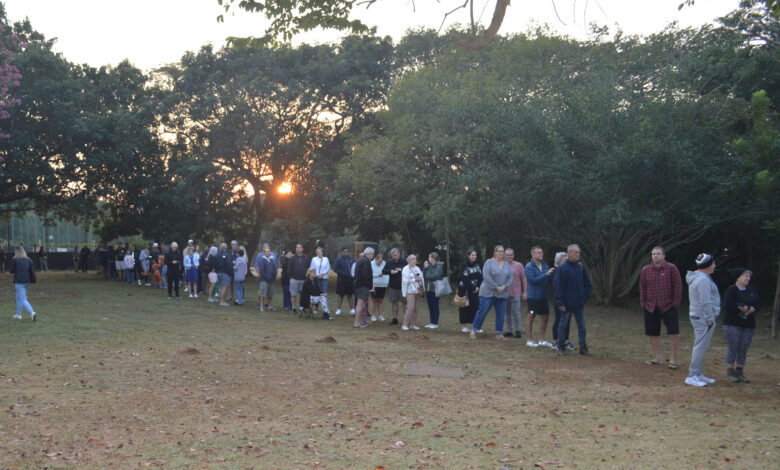
uMkhonto we Sizwe (MK) was the dominant force on the North Coast this election season, claiming the majority of votes in all four iLembe municipalities.
The adopted party of former president Jacob Zuma led the voting in KwaDukuza, Mandeni, Ndwedwe and Maphumulo, claiming over 50% in the latter three.
It represents a district-wide rebuke of the ruling African National Congress (ANC) who previously enjoyed clear majority within all four municipalities.
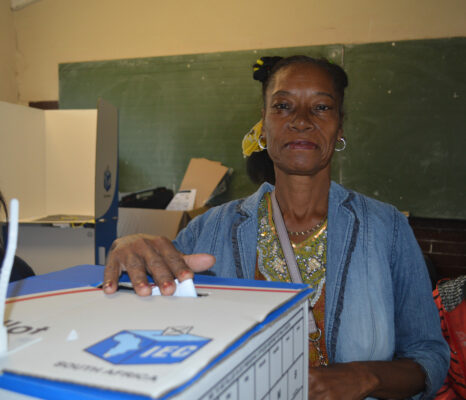
In 2019, the ANC claimed an average return of 61% across the district, down to just over 19% this year.
The ANC did so poorly this year, in fact, that they finished third in the provincial vote in KwaDukuza (behind the Democratic Alliance), Mandeni and Maphumulo (both behind the Inkatha Freedom Party).
On the other side of that coin, the MK surged to an incredible average return of 54% across iLembe, just five months after the party was founded.
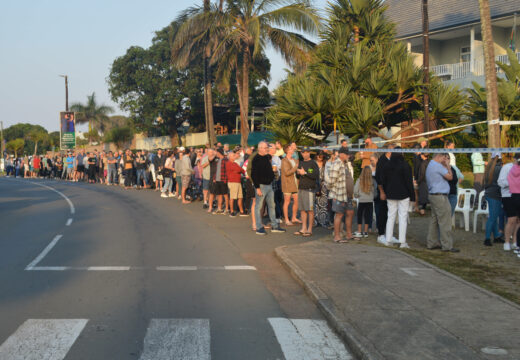
And it matched that success across most of KwaZulu-Natal (KZN), where MK claimed 45.35% of the provincial vote.
Understanding the provincial vote
On election day last week you would have seen three ballots, two of which decided the 400 seats in the national assembly, and the last of which was for the provincial legislature.
The provincial legislature is the ultimate decision-making body in a given province, passing laws and overseeing provincial projects.
It works exactly like a local council does, with each party allocated seats that are decided by the number of votes they got in the provincial ballot.
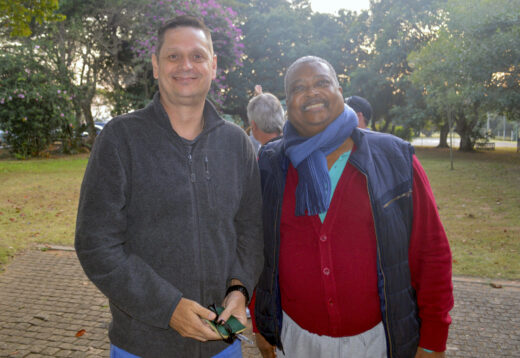
Just like a local council would elect a mayor, so the provincial legislature elects a premier, who is essentially the first citizen of the province.
KZN’s provincial legislature has 80 seats, which means a single party would need 41 seats for a clear majority and to avoid a coalition.
This is how KZN’s provincial seats will be allocated following last week’s elections.
* MK: 37 seats.
* IFP: 15 seats.
* ANC: 14 seats.
* DA: 11 seats.
* Economic Freedom Fighters (EFF): 2 seats.
* National Freedom Party (NFP): 1 seat.
No party won a clear majority, which means a coalition is highly likely.
Official coalitions can be formed within two weeks of the election results announcement, which happened on Sunday.
To wield power in KZN, MK would need four more seats in coalition – which means they would have to bring on one of the IFP, ANC or DA as a partner.
Even with the support of the EFF and NFP, the legislature would be deadlocked.
On the other hand, if the IFP, ANC, DA and NFP joined together, they could cut the MK and EFF out of effective power completely.
Coalition partners at the provincial level will be informed by those at the national level, so keep an eye out for whether the ANC and DA form a national coalition, for example.
That would make a KZN coalition government much more likely.
It must be stressed that the elections last week will have no impact on the makeup of your local municipal council.Your ward councillors, mayor and council members will stay the same (barring council decisions) until the next municipal elections in 2026.
Stay in the loop with The North Coast Courier on Facebook, X, Instagram & YouTube for the latest news.
Mobile users can join our WhatsApp Broadcast Service here or if you’re on desktop, scan the QR code below.

Stay in the loop with The North Coast Courier on Facebook, X, Instagram & YouTube for the latest news.
Mobile users can join our WhatsApp Broadcast Service here, or if you’re on desktop, scan the QR code below.