

Diwali – a time for reflection and renewal
Bringing light into the lives of those less fortunate a key component of the celebrations.
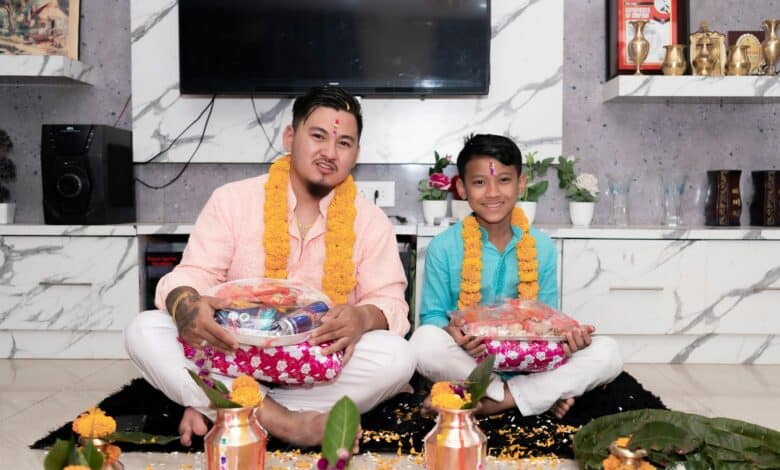
Diwali, the festival of lights, is celebrated by Hindus around the globe to mark the victory of good over evil.
The South African Hindu Maha Sabha (SAHMS), a national body representing the cultural and religious aspirations of the Hindu community, offers insights into this important celebration.
Knowledge and bliss
The essence of Diwali lies in the concept of ‘Tamaso ma jyotir gamaya’, meaning ‘lead us from darkness to light’. This Hindu principle reflects the festival’s true message: A journey from ignorance to knowledge, from unhappiness to bliss.
Diwali is also called Deepavali, meaning ‘row of lights’, and ‘Maha Laxmi Pooja’, because it is dedicated to the Goddess of Wealth.
An opportunity for sharing and caring
In the face of floods, corruption, xenophobia, crime and violence, Diwali offers hope for renewal – that a better future based on justice and righteousness is still possible in our country and beyond.
Beyond the religious and cultural aspects, Diwali offers an opportunity to reflect on how we can bring light into the lives of those less fortunate.
By donating to charity and promoting sharing and caring, we can uplift the poor and disadvantaged in our fractured society. Hindu scriptures encourage selfless acts of charity and social upliftment.
This is perhaps best encapsulated by the motto of the SAHMS: Vasudhaiva Kutumbakam – The world is one family (Maha Upanishad VI:71-73).
This can be viewed as the Hindu equivalent of ubuntu.
Fireworks
Fireworks are a traditional part of Diwali celebrations and the cultural heritage of those who celebrate it. The SAHMS supports the responsible use of fireworks, opposing big bangs and encouraging compliance with local municipal by-laws.
The organisation also urges the Hindu community to be considerate of neighbours and their animals. In turn, mutual tolerance, sensitivity, and understanding from those who may not be of the Hindu faith are appreciated.
Diwali’s significance in Hinduism
Diwali’s roots lie in ancient Bharath (modern-day India), where it was originally a harvest festival.
People believed Luxmi Mata (Goddess of Wealth) had blessed their homes, leading to the celebration of Diwali as a thanksgiving with elaborate offerings and rituals.
The harvest was considered a divine gift, a symbol of the Divine Mother’s grace, compassion, and favour.
Stay in the loop with The North Coast Courier on Facebook, X, Instagram & YouTube for the latest news.
Mobile users can join our WhatsApp Broadcast Service here or if you’re on desktop, scan the QR code below.

Stay in the loop with The North Coast Courier on Facebook, X, Instagram & YouTube for the latest news.
Mobile users can join our WhatsApp Broadcast Service here, or if you’re on desktop, scan the QR code below.