

Turning the Tide: The Litterboom Project expands to include a second North Coast river
TLP tackles plastic pollution in KZN and the Western Cape, intercepting waste before it reaches the ocean.
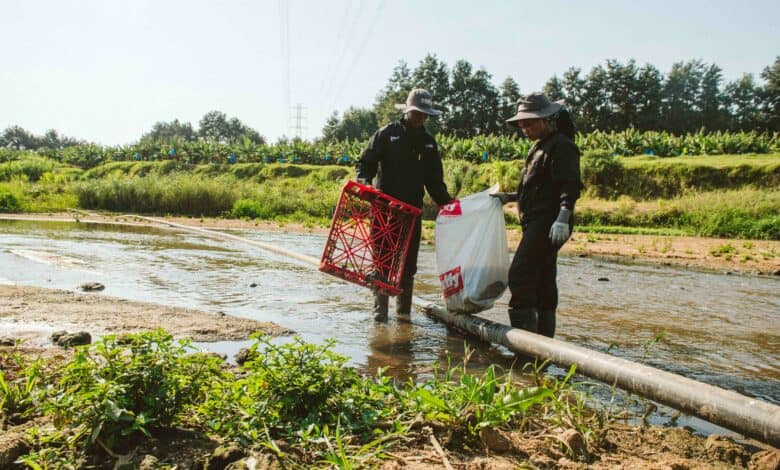
Every piece of plastic drifting down a river adds to a growing mountain of waste, fuelling a global crisis for marine life. The Litterboom Project (TLP) is determined to change that narrative – one river at a time.
The locally born non-profit and public benefit organisation is active across 12 rivers in KZN and the Western Cape, and in December added a second North Coast river to its network, thanks to funding from Zimbali Estate.
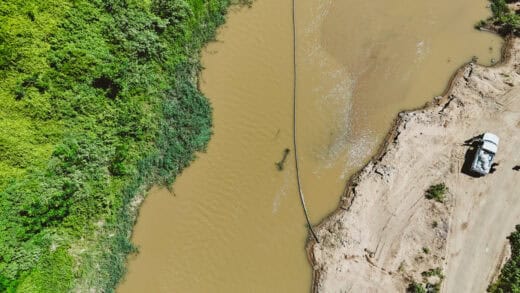
Founded in 2017 by Tinley Manor local Cameron Service, TLP is more than just a clean-up crew – it is a movement fighting for the future of our oceans. Using simple but effective floating barriers, or “litterbooms,” the non-profit has been quietly intercepting plastic before it reaches the sea, saving countless marine creatures from harm.
After a number of years in the Umdloti River, TLP recently expanded their efforts to the heavily polluted Tongaat River. And though it has only been a few months, there is already a visible difference.
But this is not just about nets and numbers. It is about people, too. Each river under TLP’s care has two local “River Wardens,” members of nearby communities who not only help clear debris but also become champions for change.
“The connection with the community is what makes this work,” says Casey Pratt, TLP’s media manager.
“The River Wardens help us better understand local waste management challenges. This team covers the stretch from the Tongaat River mouth northward toward Zimbali Estate, in partnership with Zimbali Estate to keep the area clean.”
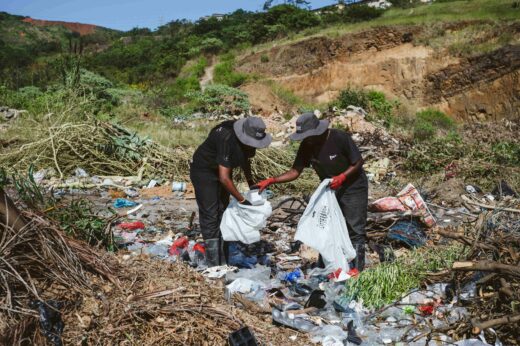
According to Pratt, 80% of marine plastic pollution comes from the world’s river systems, so TLP has focused on this preventative approach.
“Last year, we collected more than 410,000 kgs of plastic pollution from all the South African rivers we operate in.
Our ‘source to sea’ strategy focuses on three key areas: interception, education, and innovation. The approach targets the plastic pollution problem upstream through a coordinated ecosystem model, working to address land-based solutions alongside waste interception.”
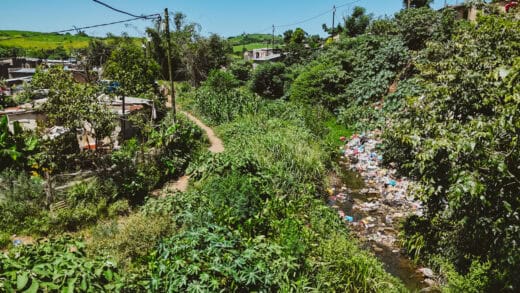
Last year, TLP intercepted 16,049 kilograms of waste from the Umdloti River. They recycled 8,038 kgs, while 8,011 kgs went to landfill. Pratt says the organisation wants to improve waste management, drive education, and foster innovation to reduce pollution, but they need help to do so.
“Success requires cooperation between municipalities, the private sector, and plastic producers to reduce single-use plastic, create integrated waste management systems, and identify sustainable financial models.”
Stay in the loop with The North Coast Courier on Facebook, X, Instagram & YouTube for the latest news.
Mobile users can join our WhatsApp Broadcast Service here or if you’re on desktop, scan the QR code below.

Stay in the loop with The North Coast Courier on Facebook, X, Instagram & YouTube for the latest news.
Mobile users can join our WhatsApp Broadcast Service here, or if you’re on desktop, scan the QR code below.