

Placing shark nets at Tinley Manor could endanger dolphins, warns expert
KwaZulu-Natal Sharks Board (KZNSB) reports show dolphin deaths in nets averaged 96% between 2013 and 2017, and 93% between 2018 and 2022.
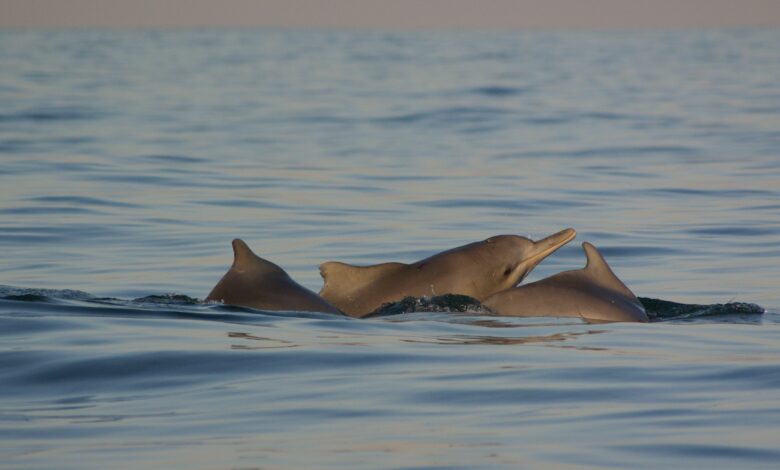
Marine scientist Dr Shanan Atkins has raised the alarm over plans to reintroduce shark nets at the new Club Med at Tinley Manor next year, warning that the move could result in the deaths of dolphins as well as sharks.
Atkins, who leads the Indian Ocean Humpback Dolphin Conservation Network, has nearly 30 years’ experience studying marine life. Her PhD explored the ecological and ethical challenges of shark control methods.
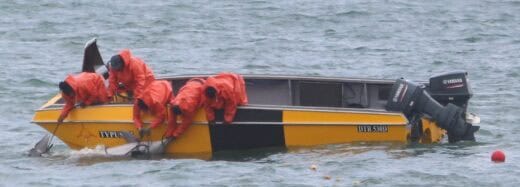
“I understand the need to keep ocean users safe, but I don’t think we should purposefully kill sharks and accept other animal deaths as collateral damage,” said Atkins.
READ MORE: #Opinion: Residents share their thoughts about the use of shark nets | North Coast Courier
Tinley Manor borders the uThukela Marine Protected Area, which has a high density of endangered humpback dolphins.
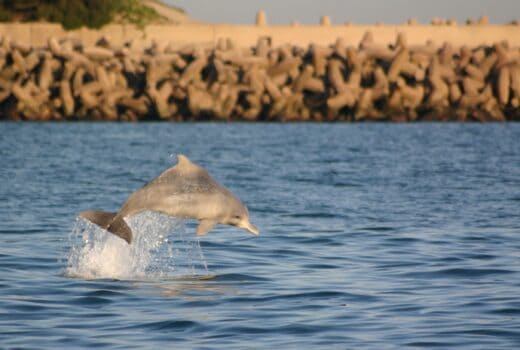
“When nets were last used at Tinley Manor (1978-1993), it had the third-highest catch rate of humpback dolphins, after Richards Bay and Zinkwazi,” said Atkins.
Her research shows that 85% of animals caught in shark nets are non-target species and 75% of those die. Among these, dolphins face one of the highest mortality rates. KwaZulu-Natal Sharks Board (KZNSB) reports show dolphin deaths in nets averaged 96% between 2013 and 2017, and 93% between 2018 and 2022.
ALSO READ: KZN’s endangered humpback dolphins at risk as population falls below 500
At a public meeting on November 5, KZNSB research head Professor Matt Dicken said it was unclear whether an environmental impact assessment would be done and could not confirm how many animals might be caught.
Based on Blythedale’s data, he estimated about 15 animals per year could be affected, noting that no dolphins were caught there in the past five years.
Atkins, while acknowledging that the KZNSB has made progress since the 1990s, disagrees with the overall safety of the plan.
ALSO READ: Shark net plan for Club Med sparks backlash from conservationists
“Measures such as halving net lengths and seasonal adjustments have reduced dolphin deaths from over six per year in the early 2000s to about two annually,” she said.
“That may not seem like much, but given their endangered status, every dolphin counts.”
She added that many who oppose the nets may not realise the Sharks Board includes people genuinely trying to protect both marine life and beachgoers.
Stay in the loop with The North Coast Courier on Facebook, X, Instagram & YouTube for the latest news.
Mobile users can join our WhatsApp Broadcast Service here or if you’re on desktop, scan the QR code below.

Stay in the loop with The North Coast Courier on Facebook, X, Instagram & YouTube for the latest news.
Mobile users can join our WhatsApp Broadcast Service here, or if you’re on desktop, scan the QR code below.