New Zimbali estate and marina planned in R20-billion rollout
The planned next phases would take combined investment in Zimbali properties to around R50-billion.
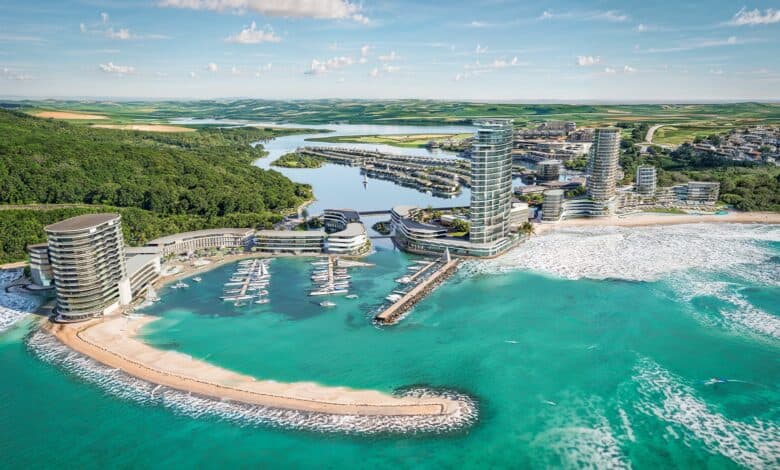
A bold new R20-billion vision for the Zimbali development node was unveiled last week, promising jobs, homes and a game-changing marina at the Tongaat River mouth.
Unveiled as Zimbali Vision 2030 by Kuwait-based developer IFA Hotels & Resorts (IFAHR), the plans include the Zimbali Country Estate – set to launch in the first quarter of 2026 on the other side of the N2 from Zimbali Lakes – and the as-yet undated marina development. Combined with IFAHR’s initial investments into Zimbali Coastal Estate and Zimbali Lakes, the total investment would land at about R50-billion.
Zimbali Country Estate will offer around 1 000 residential opportunities, ranging from Gentleman’s Estates to farm-style acre plots, priced from under R1-million.
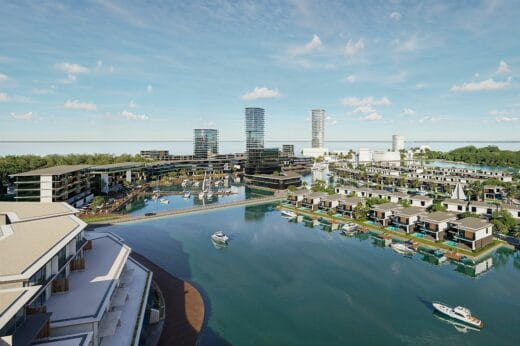
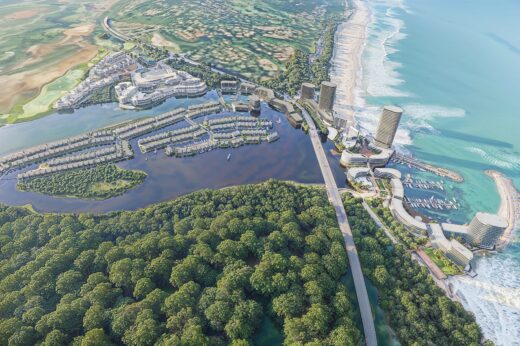
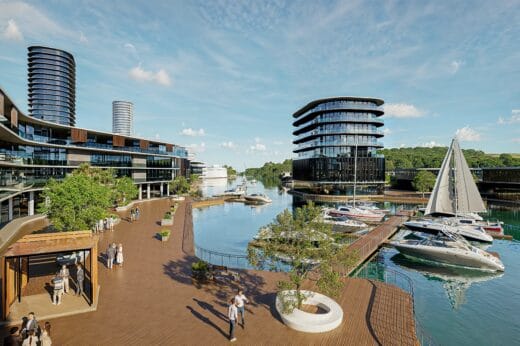
The Zimbali Marina aims to transform the Tongaat River mouth into a tourism, leisure, hospitality and lifestyle destination, featuring a swimmable, family-friendly shoreline. While the number of units has yet to be confirmed, IFAHR said a portion of future sales revenue will be earmarked for long-term environmental sustainability and social responsibility.
According to IFAHR, environmental stewardship is central to the developments, with plans for estuary rehabilitation, pollution control and biodiversity protection. Engagement is already underway with environmental, wildlife and municipal authorities.
A partnership with the National Sea Rescue Institute (NSRI) also aims to improve coastal safety, with a dedicated rescue base planned at Zimbali Beach Club.
CEO of IFAHR South Africa, Werner Burger, said the projects will expand Zimbali’s footprint and introduce global concepts of sustainable living.
“Zimbali Vision 2030 represents the convergence of global expertise and local ambition,” said Burger.
“We are introducing international design, infrastructure and lifestyle concepts to South Africa, many for the first time in KwaZulu-Natal and in some instances, the first in Africa. Our goal is to set a new benchmark for sustainable estate living, where innovation, environmental sensitivity and meaningful community impact co-exist.”
IFA forecasts that the next 20 years of development could create about 40 000 direct and indirect jobs.
“Our long-term success depends on the success of the communities and environment around us,” said IFAHR South Africa board director, Elliot Nkosi.
“Our commitment is not a once-off intervention but an ongoing responsibility.”
Stay in the loop with The North Coast Courier on Facebook, X, Instagram & YouTube for the latest news.
Mobile users can join our WhatsApp Broadcast Service here or if you’re on desktop, scan the QR code below.

Stay in the loop with The North Coast Courier on Facebook, X, Instagram & YouTube for the latest news.
Mobile users can join our WhatsApp Broadcast Service here, or if you’re on desktop, scan the QR code below.