

Environmentalists exhaust all avenues to trace North Coast oil spill source
Three Ballito beaches were briefly closed because of oil in late January.
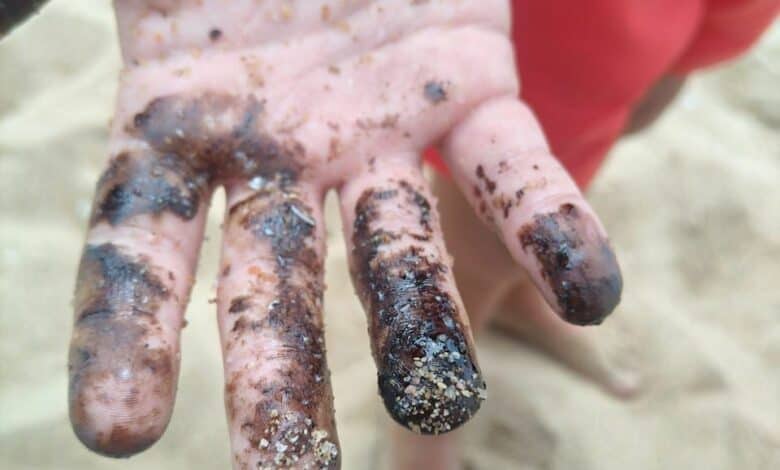
Environmental groups say they have exhausted all avenues in trying to trace the source of an oil spill that led to the temporary closure of three Blue Flag beaches in Ballito on January 25.
Bathers and fishermen were left perplexed after clumps of sticky oil and several oil drums were discovered in the water and along beaches stretching from Sodwana to Gqeberha in late January and early February. Authorities believe the incidents may be linked to the same event.
In a video shared on social media, local fisherman Arrin Walton described how “thick, gunky” oil coated his legs, feet and fishing ski after he came ashore at Umdloti, adding that it was extremely difficult to clean off.
Ezemvelo KZN Wildlife regional marine ecologist Santosh Bachoo said that despite extensive investigations, including aerial searches, the source of the spill remains unknown. He thanked the Bateleurs for providing free aerial support to Ezemvelo staff during the investigation.

Authorities have appealed to the public to report any sightings of oil blobs or drums to their local municipality for urgent clean-up. Bachoo also urged the public to treat any barrels found at sea or on beaches as potentially hazardous, following the recent discovery of a drum containing an unidentified chemical in Sodwana.
Bachoo said the condition of the oil clumps suggested the spill had occurred some time ago and that the responsible party was likely long gone. He explained that the drums may have floated at sea and broken apart, releasing oil that initially remained on the surface. Over time, lighter components would have evaporated, leaving heavier compounds to clump together and wash ashore, where they mixed with sand to form sticky balls.
Labels on the drums offered limited assistance, as they identified only the manufacturer and not the vessel transporting the cargo. However, they indicated the oil was intended for marine use, suggesting the barrels likely originated from a ship.
“Unfortunately, we don’t have the technology to test for chemical fingerprints,” said Bachoo.
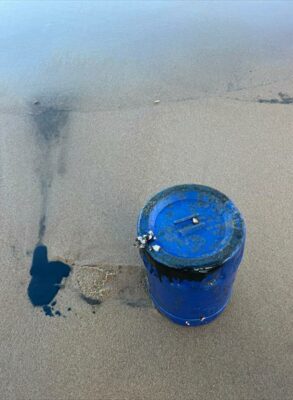
While he would not speculate on whether the dumping was accidental or deliberate, Bachoo confirmed there had been no recent reports of severe weather or marine incidents that could explain cargo being lost overboard.
Although illegal dumping at sea to avoid disposal costs is a recognised global problem, Bachoo stressed there was no evidence to support claims that South Africa’s coastline is being deliberately targeted.
South Africa strengthened its regulatory framework in January last year to combat ship-related pollution, introducing penalties of up to R10-million for offenders.
Stay in the loop with The North Coast Courier on Facebook, X, Instagram & YouTube for the latest news.
Mobile users can join our WhatsApp Broadcast Service here or if you’re on desktop, scan the QR code below.

Stay in the loop with The North Coast Courier on Facebook, X, Instagram & YouTube for the latest news.
Mobile users can join our WhatsApp Broadcast Service here, or if you’re on desktop, scan the QR code below.