

North Coast residents helping Project Rhino fight poaching in KZN
Rhino poaching in the province dropped from 232 animals in 2024 to 97 in 2025.
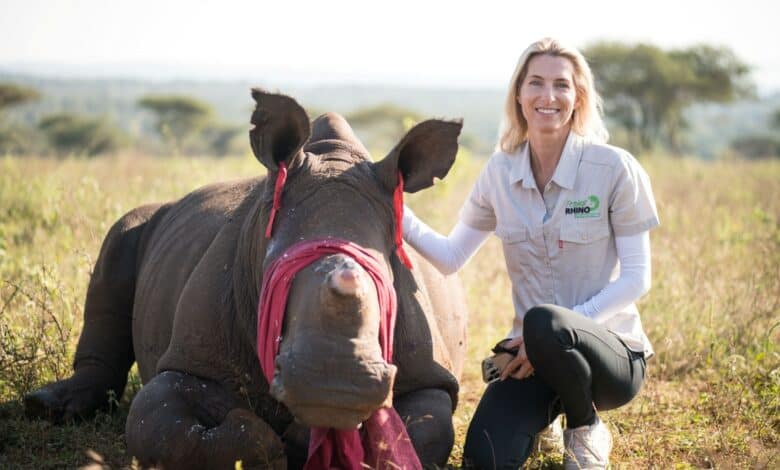
Project Rhino is at the forefront of protecting KwaZulu-Natal’s rhino population from relentless poaching threats.
Founded on World Rhino Day in 2011, the organisation brings together conservation agencies, private reserves, rhino owners and anti-poaching specialists in a united effort to safeguard both white and black rhinos through anti-poaching operations on the ground and in the air.
Leading the fight locally are a few North Coast residents including director Grant Fowlds and Salt Rock resident and fundraising volunteer Genevieve Fish. After leaving the corporate world in 2024, Fish has dedicated her time to conservation.
“I am passionate about wildlife,” said Genevieve.
“I was lucky to be in the right place at the right time when I met director Grant Fowlds. He’s an incredible person, very inspiring, and he gave me a chance.”
With South Africa home to more than 70% of the world’s white rhino population, the country remains at the centre of the global battle against poaching, which began escalating rapidly in 2011. Nearly 13 000 rhinos have been lost across Africa since 2006.
Driven by international criminal networks and demand for rhino horn in Asian markets – where it is falsely believed to have medicinal value or viewed as a status symbol – South Africa’s crisis peaked in 2014 when a record 1 215 rhinos were killed nationwide.
Although there has been some improvement, the threat remains severe. The Department of Forestry, Fisheries and the Environment reported that in 2025, 352 rhinos were poached nationwide, marking a 16% decline from the previous year.
Since 2021, KZN has faced sustained poaching pressure, although recent interventions are showing encouraging results. Rhino poaching in the province dropped from 232 animals in 2024 to 97 in 2025. Project Rhino attributes this progress to a combination of strategies, including aerial surveillance, specialised ranger training, anti-poaching dog units, mounted patrols, advanced monitoring systems and its Rhino Dehorning Programme.
Genevieve said statistics show a 70% reduction in poaching among dehorned rhinos.
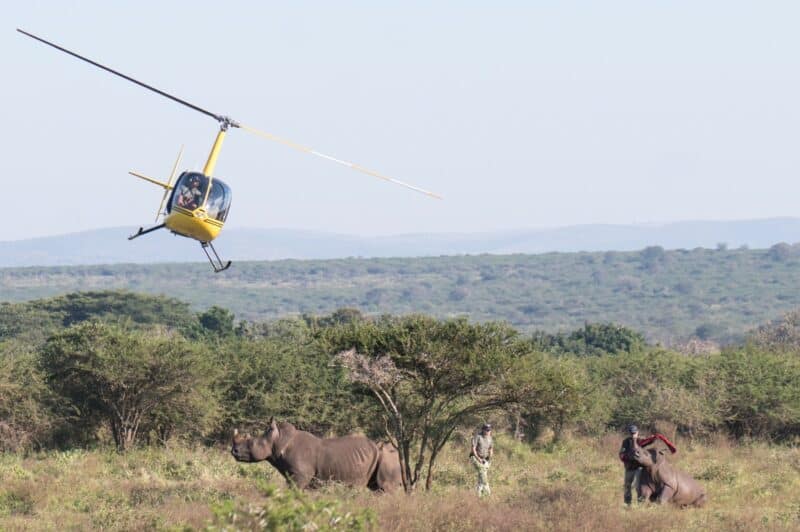
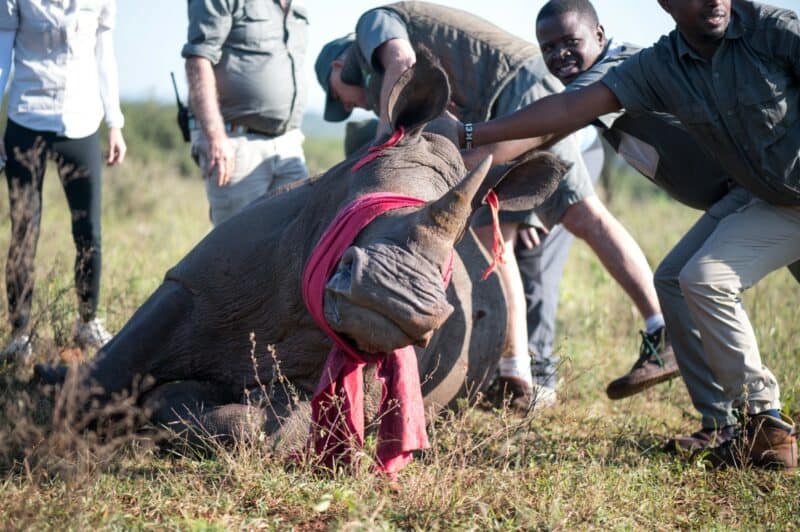
“Dehorning is not an ideal solution and it’s not our main focus, but it seems a necessary evil. No one likes to see a rhino without its horn,” she said.
The procedure is carried out by expert teams using helicopters and veterinary support and can cost tens of thousands of rands per rhino. Ongoing funding – particularly from abroad – remains essential to sustain these efforts.
“Funding is vital for small NGOs. Overseas funding is crucial because the donations go further. However, our local partners and sponsors are what keep us operating day to day.”
To donate, visit projectrhinokzn.org.
Stay in the loop with The North Coast Courier on Facebook, X, Instagram & YouTube for the latest news.
Mobile users can join our WhatsApp Broadcast Service here, or if you’re on desktop, scan the QR code below.