
Tinley Manor conservationist helping rewild one of South Africa’s biodiversity hotspots
What began as a focused protection effort has evolved into a full-scale rewilding project.
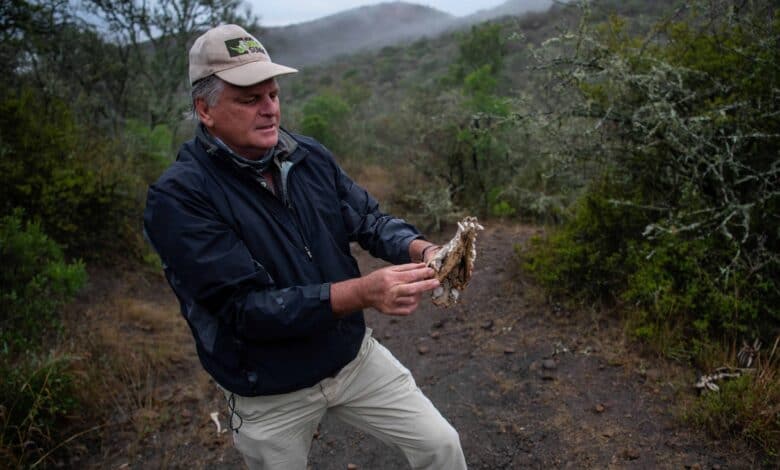
What began as a mission to save a threatened elephant herd has grown into an ambitious rewilding project.
In the heart of KwaZulu-Natal, Loziba Wildlife Reserve is emerging as a powerful example of modern conservation in action.
Situated in the Thaka Valley within the Maputaland-Pondoland-Albany region – one of the world’s 36 biodiversity hotspots – Loziba encompasses rolling grasslands, wild savanna, riverine thickets and forested woodlands. These diverse ecosystems support a rich variety of plant and animal life, making the valley a critical frontier for conservation.
Loziba was co-founded in 2017 by Tinley Manor resident, conservationist and author Grant Fowlds and his late friend and business partner, Beyers Coetzee, initially to protect a vulnerable herd known as the ‘Ghost Elephants of Loziba’ – more than 30 elephants living in an increasingly pressured landscape and facing the threat of government-sanctioned culling.
What began as a focused protection effort has evolved into a full-scale rewilding project.
“Rewilding, in simple terms, means restoring degraded land to a natural, functioning ecosystem,” said Fowlds.
“At Loziba, this includes rehabilitating damaged terrain, removing invasive plant species, managing water systems and reintroducing indigenous wildlife.”
Fowlds, an African linguist who speaks nine languages, emphasises that the work extends far beyond ecological restoration.
“This is not just about animals. It’s about navigating land rights, community dynamics and building something that can sustain itself long-term.”
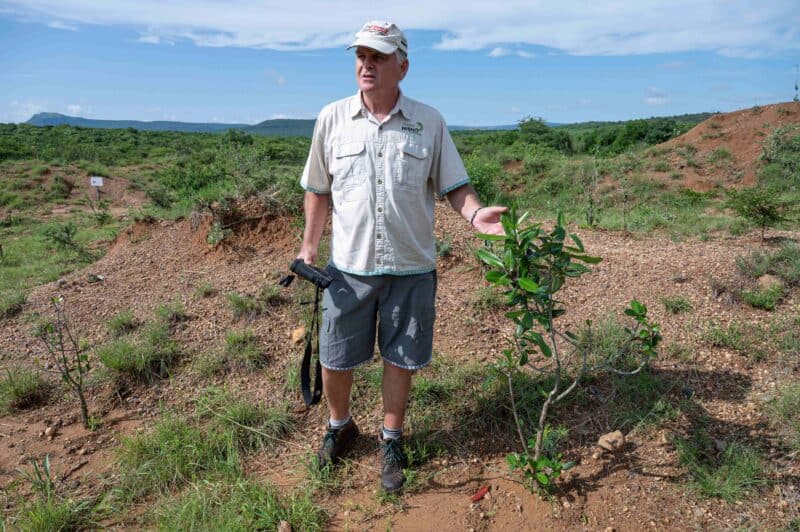
The reserve operates through a partnership model that brings together community and privately-owned land into a single ecological entity, allowing wildlife to move freely. A shared governance system aims to balance conservation with sustainable land use and economic opportunity.
The project centres on three pillars: ecosystem conservation and wildlife management, community development, and conservation research, education and eco-tourism. More than 100 local people are employed through the reserve.
However, operating on land shaped by South Africa’s restitution process presents ongoing challenges. Community tensions and competing interests occasionally complicate progress, highlighting the delicate balance between conservation and social realities.
Despite this, Loziba continues to grow as a model of conservation-led development, combining biodiversity protection with sustainable tourism to support long-term livelihoods.
The elephant herd remains central to its mission. Once at risk of culling and displacement, the animals now symbolise the reserve’s long-term vision.
“If we don’t make space for wildlife now, there won’t be any left to protect,” said Fowlds.
Stay in the loop with The North Coast Courier on Facebook, X, Instagram & YouTube for the latest news.
Mobile users can join our WhatsApp Broadcast Service here, or if you’re on desktop, scan the QR code below.