

Wild bee swarm removed from manhole after Springvale homeowner dies in fatal attack
A veteran beekeeper described the colony as the most aggressive he had encountered in more than 40 years.
A Springvale Country Estate homeowner died after being attacked by a swarm of bees while overseeing construction work on his property on Thursday, November 12.
Victor Pillay was reportedly supervising a TLB working on the site of his new home when the machinery disturbed a large bee colony. Pillay fled to his vehicle, but the bees continued attacking him and he died at the scene.
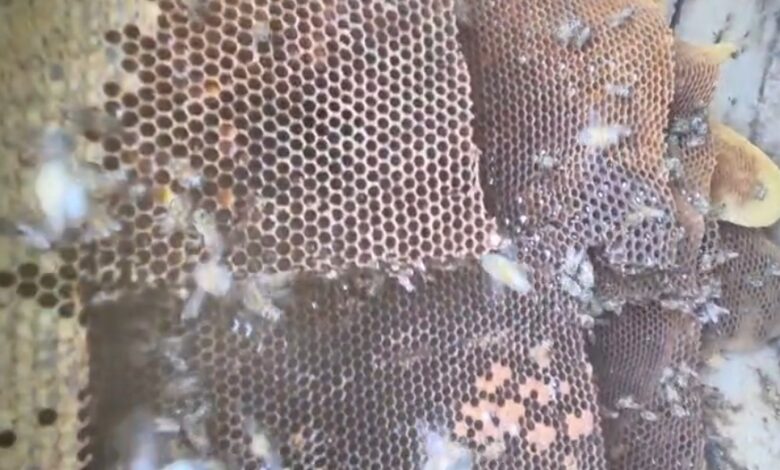
The following day, two beekeepers discovered an enormous colony lining a sewage manhole. It took four hours to remove.
One beekeeper, who asked not to be named, described the bees as the most aggressive he had encountered in more than 40 years of beekeeping.
On behalf of the developer and the Springvale Homeowners Association, Catherine de Lange said they were deeply saddened by the tragic loss of one of their homeowners. She said the community was like a family and Pillay’s death was deeply felt.
Pillay’s family could not be reached for comment before publication, but tributes on social media fondly remember a kind, hardworking man with a wonderful sense of humour.

Pillay, understood to have been a well-known former bank manager in Stanger, was described by Susan Young as “a humble soul with such a kind heart.”
“We bought our house from him. He was always ready to assist and such a hard worker,” she wrote.
Dan Pilliam recalled childhood holidays with “Cousin Victor” in Amatikulu, spent fishing, playing cricket and tops and searching for mushrooms at the railway station.
Jenny Padayachee, a fellow member of the Class of 1975, remembered his humour at school reunions.
“Brother Victor, we miss you so much. You made us laugh at all our functions,” said Padayachee.
She described him as a “humble legend.”
Local beekeeper Trevor Thompson told the Courier that bees defend their colonies when threatened, particularly by machinery such as brush cutters, TLBs and graders.
“Bees are not naturally aggressive and only sting when disturbed. However, the larger and stronger a colony becomes, the more aggressively it will defend any perceived threat to its home or queen,” said Thompson.
He said bees are also more active during summer, while swarming bees searching for a new home are generally less defensive.
Thompson believes changing agricultural practices on the North Coast may also be influencing bee activity.
As sugarcane fields give way to macadamia orchards, which rely on bee pollination, more bees may be attracted to the area, increasing the likelihood of colonies establishing themselves near homes.
Stay in the loop with The North Coast Courier on Facebook, X, Instagram & YouTube for the latest news.
Mobile users can join our WhatsApp Broadcast Service here, or if you’re on desktop, scan the QR code below.


