

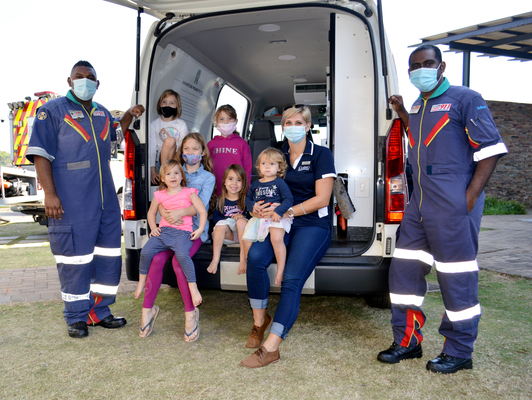
Parents and teachers at Curro Mount Richmore learnt about everything from vaccination dates to car safety for their children at the school’s inaugural Meet a Dr Day.
On Saturday morning, 5 of the North Coast’s leading medical figures from different fields were on hand to preach common sense health measures and to dispel medical myths with regards to childcare.
Dr. Nicholas Raymond, an emergency doctor at Alberlito Hospital cautioned parents not to force their children not to vomit or drink milk after swallowing poison.
“Milk does not neutralise the poison and can be more detrimental. Similarly, forcing the child to vomit could cause more complications if the poison gets into the lungs, rather phone the Poison Information Centre on 086 155 5777 and they will guide you,” he said.
Curro’s school psychologist, Jarryd Byron, reiterated the need to pay attention to behaviour as it will likely reflect issues children are dealing with internally.
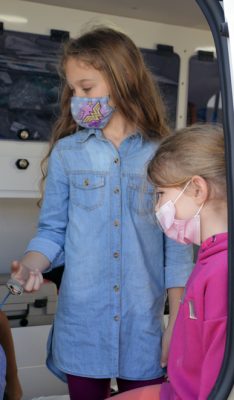
“Children are sponges to what goes on around them and have not yet been equipped with a skillset to deal with their experiences. All children experience things differently and their actions tell us how they are coping, because they do not have the tools to vocalise their feelings,” he said.
Mental health issues and mental fatigue are increasingly prevalent in older children, particularly when events like the coronavirus pandemic or the recent unrest change their routines.
Konrad Jones, a rescue officer from Netcare 911 had a few tips to stay safe in an accident situation.
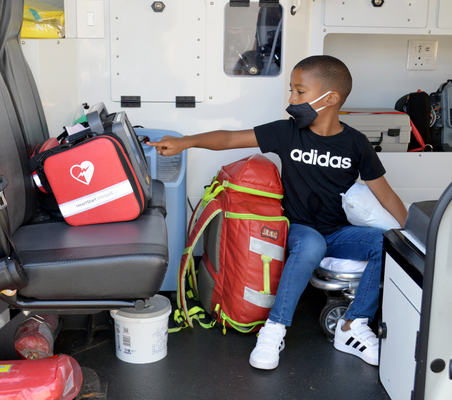
“Never drive with your child on your lap, the force in an accident will be too strong for you to hold on and your child may be thrown through the windscreen. If children are old enough to be out of car chairs, always make sure they are wearing seatbelts, it gives you a much higher chance to survive a collision,” he said.
If you are driving with a baby seat on the front passenger seat then turn it to face the back so that the airbag does not injure the child.
Toddlers should also be left in their seat following an accident, it is specifically designed to support the spine and important organs.
The child will be transported like that to the hospital until a doctor takes them out.
According to Arrive Alive, children are usually big enough to use a seat belt by the age of about 10/11 years.
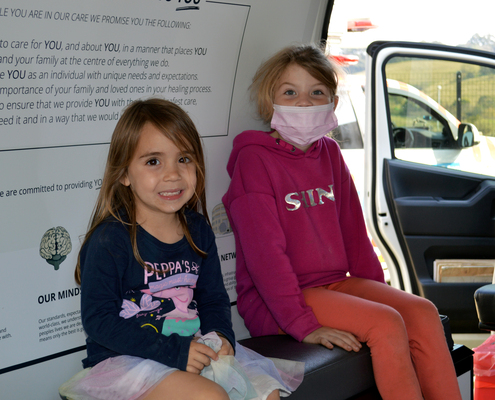
To check that the seat belt fits correctly, the shoulder belt should go over the child’s shoulder and across the middle of his/her chest.
The belt should not touch the neck.
The lap belt should fit low, over the hip bones, under the child’s belly area and the child’s knees should be comfortable over the edge of the seat.
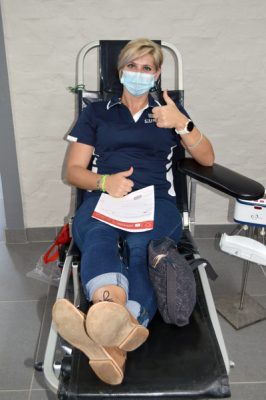
Following the presentation, guests were able to ask the medical professionals questions and donate blood at the mobile donation station.
For breaking news follow The North Coast Courier on Facebook, Twitter, Instagram and YouTube. 
Stay in the loop with The North Coast Courier on Facebook, X, Instagram & YouTube for the latest news.
Mobile users can join our WhatsApp Broadcast Service here, or if you’re on desktop, scan the QR code below.