

What teachers wish parents knew about their child’s education
A positive attitude towards school and teachers can encourage children to feel secure and respectful, while persistent negativity can shape their outlook in the opposite direction.
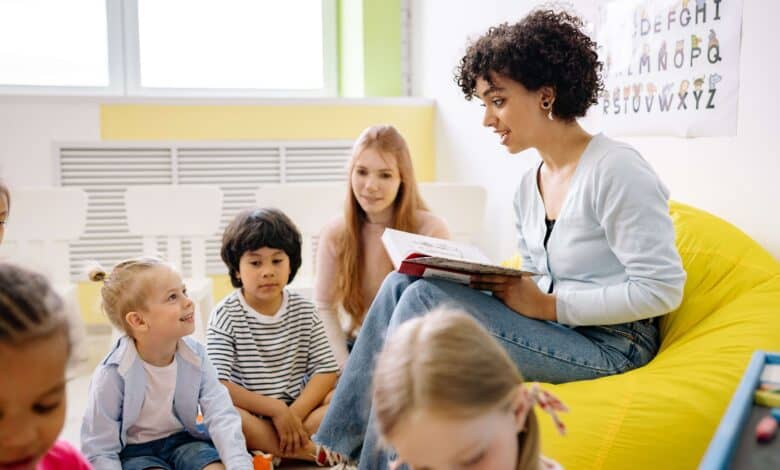
The early years of education are about far more than keeping children occupied while their parents are at work.
For Carey Mallandain, headmistress of So-High Methodist Pre-Primary School in Umhlali, one of the biggest misconceptions is that pre-school teachers simply babysit and play with children rather than do ‘real teaching’.
She says the pre-school years, particularly Grade 00 and Grade R, lay important building blocks for a child’s schooling foundation and parents have an important role to play.
“If a child is allowed to do as they please at home and does not have certain limits and boundaries, they will resist routine at school,” said Mallandain, explaining that consistency at home helps children to adjust to the structure of a school day.
While parental involvement is important, she cautions against ‘helicopter parenting’, encouraging parents to trust teachers, the school and the learning process.
“Children learn from their parents and model what they see and hear,” she said.
A positive attitude towards school and teachers can encourage children to feel secure and respectful, while persistent negativity can shape their outlook in the opposite direction.
Technology is another growing classroom challenge.
Mallandain says young children increasingly arrive at school playing games or watching cartoons on cellphones. Having the device taken away can cause distress and make settling into the classroom difficult.
She has also noticed more children struggling with activities requiring imagination, creativity, concentration and following instructions.
“Technology satisfies instantly and does not require children to have to think or process for themselves much,” she says.
Instead, she encourages outdoor play, riding bicycles, reading, Lego and puzzles.
Parents should also consider their own cellphone habits. Mallandain says children can become unsettled when parents drop them off or collect them while talking on their phones.
“Children long for their parent’s attention. Saying goodbye or hello to them and engaging with only them for a moment has a huge impact.”
Mallandain describes a healthy parent-teacher relationship as a partnership, with regular communication and both sides working towards helping the child thrive. She also encourages parents to ease the pressure around results, particularly for young children.
Her three key messages are to quieten unnecessary external pressure, support children and show interest in their school day, and celebrate effort rather than results alone.
Stay in the loop with The North Coast Courier on Facebook, X, Instagram & YouTube for the latest news.
Mobile users can join our WhatsApp Broadcast Service here, or if you’re on desktop, scan the QR code below.