

Use of drones in fishing questioned
A new addition to an old sport has become an increasingly divisive issue among fishermen.

Drone fishing is an increasingly popular way to extend the casting range of on-shore fishermen and nullify the limitations of getting big baits far out into deep water, but the ethics remain cloudy.

The drone makes it possible to bypass obstructions like reefs and backline waves which limit the normal casting range – and the angler is no longer dependent on casting skill and the strength of his or her arm.
“I have heard fishermen say that they can cast 200m in perfect conditions, but I have never seen it. Most good fishermen can cast about 160m at most,” said Ballito fisherman Eric Heyns.
This casting range puts restrictions on the type of fish that can be caught from the shore.
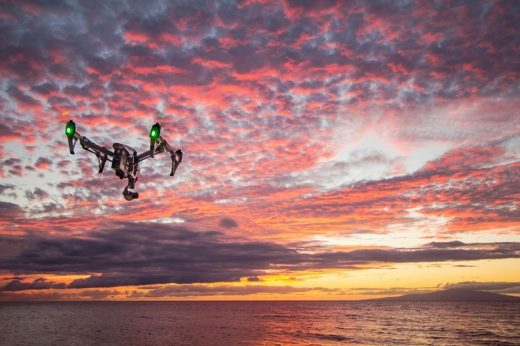
Drone fishing emerged as a reasonably cost effective way to solve this problem, with drones costing around R1000 on the low end of the spectrum.
“With a drone you can get a bait about 500m offshore which puts you in range of catching big pelagic fish and sharks which are much more challenging to catch from the sporting aspect,” said Heyns.
The way drone fishing works means that the sport of catching fish remains because fighting and reeling in the fish is still done as normal.
“Apex predators such as pelagic gamefish and sharks are not stupid. They get that big for a reason. It is still very uncommon to catch a shark because they don’t just bite on anything.”
However there are still many people who see the use of drones as cheating.
“I understand why people say this, but it’s no different from using a jetski or kayak to get to that distance. Many fishing boats even have fish imaging software now to target game
fish. Drone fishermen are just easier to target and blame because you can see them.”
But the Oceanographic Research Institute believes that the use of drones exposes new areas to fishing, says senior scientist Bruce Mann.
The backline of the surf zone was previously quite protected, as shore anglers could not cast that far and kayak and jetski fishermen had to go further out from shore to escape the rough water.
This left an area that was unreachable from the shore and for offshore boat fishermen alike, where species such as silver kob in the Western Cape could maintain a relatively safe refuge, especially in areas where there is a wide surf zone .
Drone fishermen are able to target this area, contributing to a further decrease in certain fish stocks, says Mann.
In addition, fish caught by anglers using drones have to be fought for longer to bring them to shore.
This, Mann believes, causes a buildup of lactic acid in the fish which in turn leads to increased levels of stress hormones, reduced blood pH and exhaustion.
This means that even traditionally strong gamefish and sharks will be more vulnerable to predators if they released back into the water.
Drone fishing is not theoretically legal in South Africa unless the operator has a commercial operator’s licence to legally drop payloads, which requires a 4-8 week long practical training component.
Furthermore, the increased number of drones flying in the coastal zone are a real danger to manned aircraft such as helicopters and light sport aircraft.
Drone fishermen are not currently being targeted by law enforcement officials because it is still a relatively new aspect to the sport of fishing and there is uncertainty regarding its legality.
However, as awareness and conservation concerns increase, there may need to be stricter regulations implemented.
*Note: Small changes were made in an effort to clarify Bruce Mann’s quotes.

Stay in the loop with The North Coast Courier on Facebook, X, Instagram & YouTube for the latest news.
Mobile users can join our WhatsApp Broadcast Service here, or if you’re on desktop, scan the QR code below.